
Nov 10, 2026
4 Common Applications of Aluminum Bronze Rod
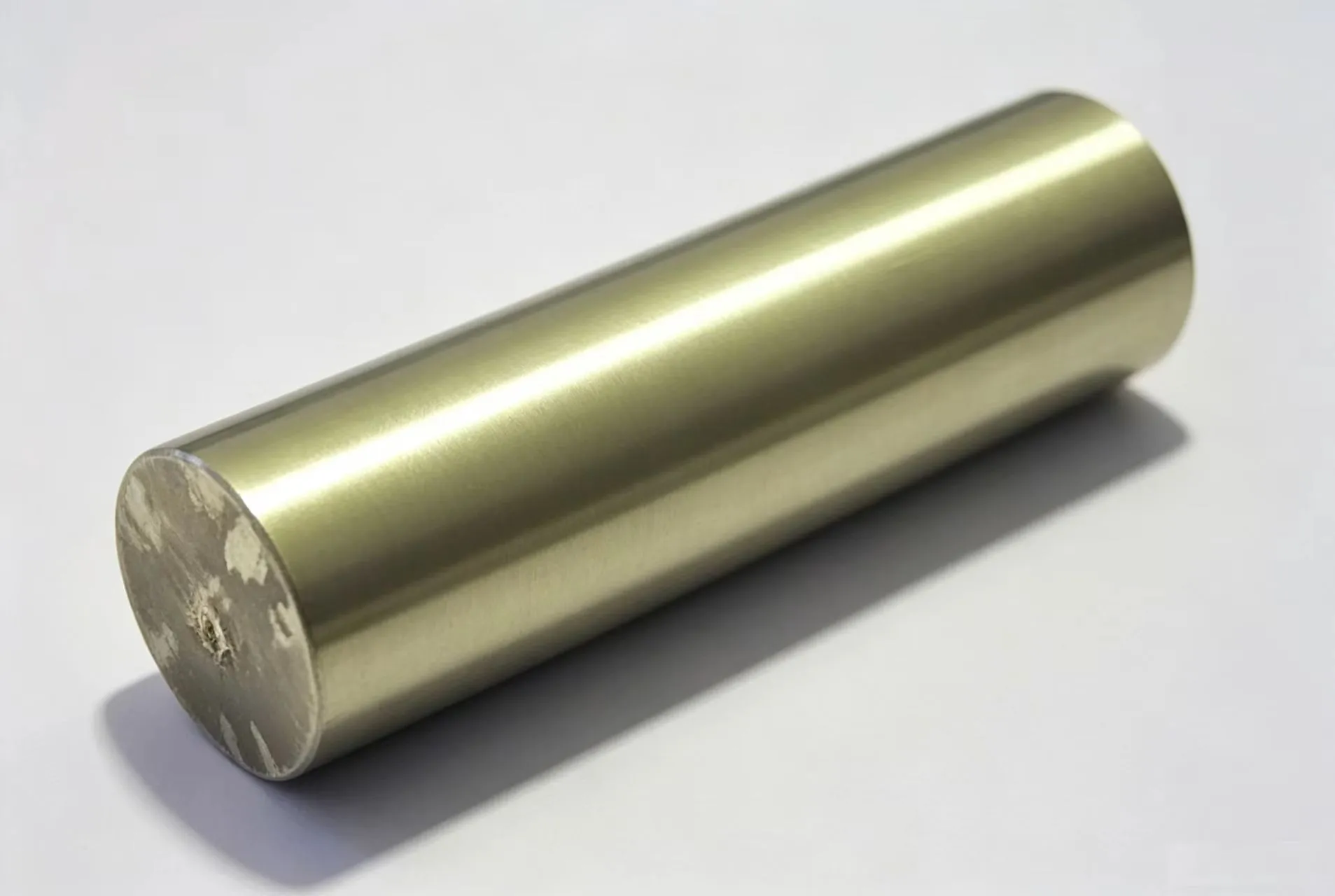
Aluminum bronze rod is a copper-based alloy bar containing 8.5–11% aluminum along with iron, nickel, and manganese, produced to ASTM B150 and EN 12163 standards in grades such as UNS C63000, C63200, and C61400 (wrought), or to ASTM B505/B271 for cast grades like C95400.. Its self-healing aluminum oxide surface film delivers seawater corrosion resistance that brass and standard bronze simply cannot match. Tensile strength reaches 620–800 MPa depending on grade, and continuous service runs reliably to 400°C. These properties make aluminum bronze rod a practical first choice for marine hardware, heavy industrial bearings, conductive components, and architectural metalwork.
Understanding Aluminum Bronze Rod: Composition and Key Properties
Chemical Makeup by Grade
JYDS offers four aluminum bronze rod grades: C63000, C63200, and C61400 (wrought alloys per ASTM B150), and C95400 (a cast alloy per ASTM B505/B271). Each grade adheres to its own distinct chemical and dimensional standard. In C63000 and C63200, you can find Al (8.5–11.0%), Fe (2.0–5.0%), Ni (4.0–5.5%), Mn (0.5–1.5%), and copper (the rest). C61400 contains less nickel than C63000 and C63200, with a composition based primarily on copper and aluminum, plus iron and other alloying elements. Its density is about 7.89 g/cm³. Every batch that goes out the door has an EN 10204 3.1 Mill Test Certificate that shows each element separately. There are no combined composition ranges that fail inspection upon arrival.
Mechanical and Thermal Performance
For C63000 and C63200 rod (depending on temper), the tensile strength is at least 620 MPa, yield strength ranges from 310 MPa (C63000 HR50) to 345–386 MPa (C63200 TQ50), and hardness ranges from 150 to 250 HV. Elongation is 15–20%. Electrical conductivity is typically 7–12% IACS, and thermal conductivity is 38–50 W/m·K. The constant working temperature goes up to 400°C, and short-term contact up to 500°C is fine before the γ₂ phase starts to break down and aluminum oxide growth speeds up.
How Heat Treatment Changes the Picture
When aluminum bronze rod is hot-extruded in the M30 state, it is very different from an HR50 bar that has been drawn and its stress eased. For heavy-section shaft blanks, M30 extrusion gives them the most flexibility. HR50 drawing tightens the tolerances to h8/h9/h10 according to ASTM B249 and EN 12163. This lets procurement engineers use it as a drop-in replacement for precision bearing journals without having to do any extra grinding.
Application 1 – Marine and Offshore Equipment
Why Seawater Attacks Other Alloys
Biofilm in still seawater causes crevice corrosion in stainless steel. Dezincification is the process by which naval brass loses zinc. Because the aluminum oxide film forms back quickly after being damaged mechanically, blocking the electrochemical pathways that break down zinc-bearing alloys in saltwater service, aluminum bronze rod is resistant to both failure modes.
Components That Depend on This Alloy
When ships are being built, C63000 and C63200 aluminum bronze rod are often used for propeller shafts, rudder stocks, stern tube liners, and seawater pump rods. A wrought bar's continuous cylindrical shape gets rid of the shrinking porosity that shows up in cast versions. This lets machinists get a clean surface finish of Ra 0.8–3.2 µm straight from the bar, which cuts down on the need for extra grinding.
Performance vs. Cost Comparison
Currently, aluminum bronze rod costs 20–35% less per kilogram than duplex stainless steel for marine shaft applications. It also has the same or better resistance to cavitation erosion in fast-moving seawater. Metal service centers that work with ships and pump repair shops should keep C63000 and C63200 aluminum bronze rod in stock in lengths of 1,000 and 3,000 mm and in diameters of 40, 50, 60, and 80 mm. This way, they can quickly fill most replacement orders without having to wait for customs to arrive.
Application 2 – Heavy Machinery and Industrial Bearings
Load Capacity and Wear Behavior
Aluminum bronze rod is much harder than phosphor bronze or leaded bronze bushing stock, with a hardness of 80+ HRB (150–220 HV). When heavy loads are moved back and forth, the face-centered cubic copper matrix of the alloy gradually hardens at the contact surfaces. This forms a thin, dense layer that keeps steel shafts from galling. This behavior makes bushings last longer in places where repair is expensive, like crane sheaves, hydraulic press guides, and worm gear blanks.
Typical Components in Heavy Industry
These are the main heavy machinery parts that are made from aluminum bronze rod stock:
- Bearing bushings and wear rings: Bars in Ø25–Ø300 mm are rough-turned to bushing blanks, then finish-bored to bearing clearance. C63200's Mn ≥1.2% content stabilizes microstructure under cyclic load.
- Worm gear and hobbing blanks: Round bar sections are faced, centered, and hobbed directly. The alloy's compatibility with hardened steel worms produces low-friction worm wheel teeth without lubrication additives.
- Valve stems and hex bar components: Hexagonal aluminum bronze rod in across-flats sizes from 20 mm to 80 mm is supplied with wrench-ready hexagonal profiles, eliminating the material waste of machining a round bar to a hex profile.
Each of these parts depends on the dimensions staying the same from batch to batch. JYDS controls the straightness and ovality of its h8/h9/h10 diameter tolerances according to ASTM B249. This way, an incoming inspection pass on the first delivery is valid for every future replacement order.
Application 3 – Electrical and Thermal Conductive Components
Where Conductivity Actually Matters
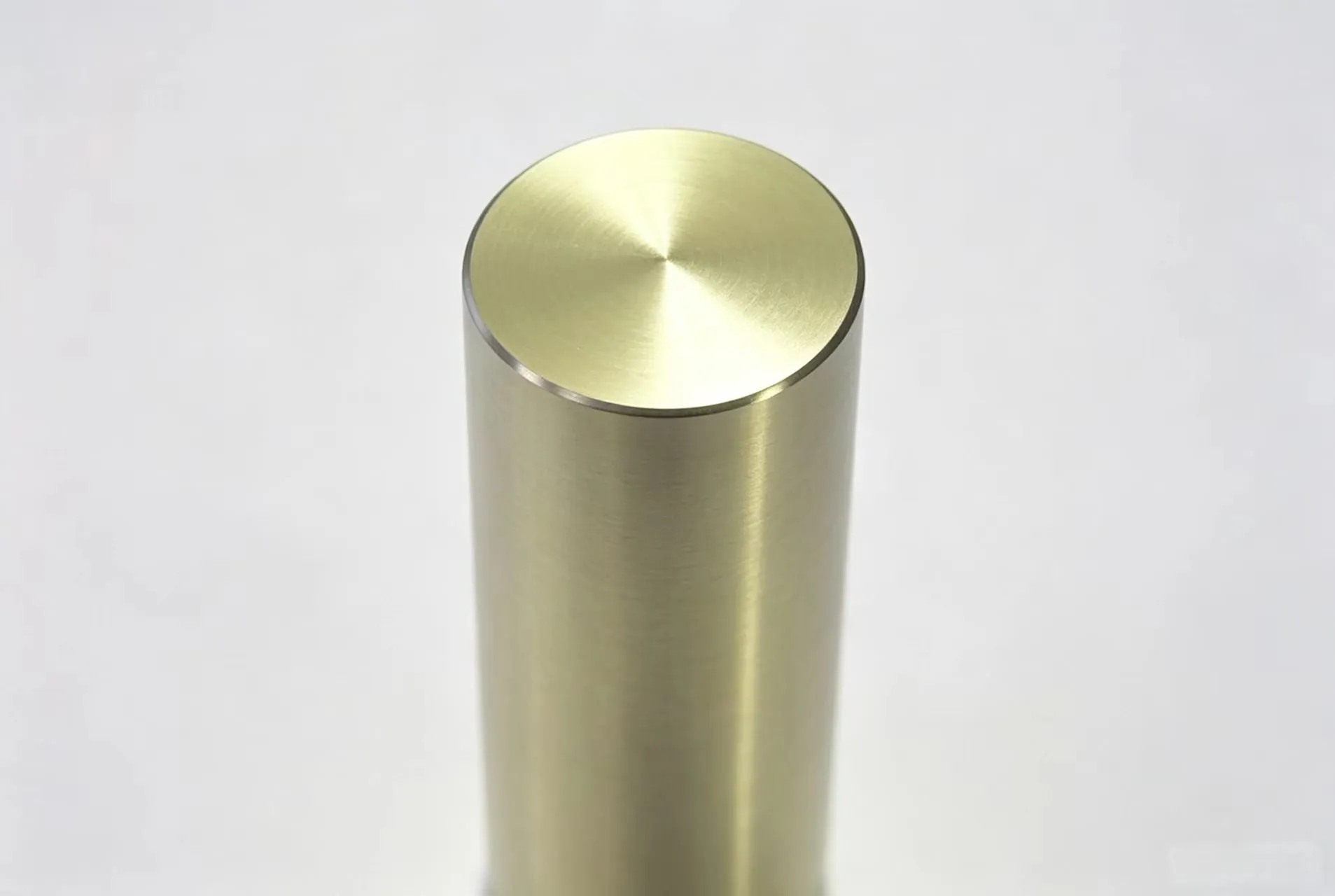
The electrical conductivity of C63000 aluminum bronze bar is about 7–10% IACS, which is lower than pure copper but much greater than stainless steel, which is about 2.5% IACS. This makes it a good choice for electrical connectors and grounding parts in power production tools that need to be strong mechanically and have moderate conductivity. At 40–50 W/m·K, thermal conductivity helps hydraulic valve bodies and heat exchanger tube sheets get rid of heat.
Automotive and Power Generation Uses
In aluminum bronze rod specifications, you can find turbine guide vane parts, generator brush holders, and resistance welding electrode holders. The low magnetic permeability of the metal also makes it good for sensitive instruments where steel's ferromagnetic influence would lead to wrong measurements.
Matching Grade to Conductivity Requirement
When a buyer asks for a conductivity number that is higher than what C63000 can provide, our technical team points out the difference right away instead of sending out a data sheet with false numbers. Providing traceable test results and accurate conductivity specifications allows procurement engineers to compare the measured values with the agreed requirements. If a batch does not meet the specified conductivity, the buyer can identify the discrepancy and request clarification or reject the nonconforming material.
Application 4 – Architectural and Decorative Uses
Surface Character and Weather Resistance
In contrast to the green verdigris of regular bronze or the white corrosion of brass, aluminum bronze rod gets a stable, golden-brown patina when exposed to the elements outside. Architects choose it for handrail cores, facade anchor pins, and decorative pillar inserts because the surface ages steadily and doesn't flake or stain stone or concrete next to it.
Strength Advantage Over Decorative Brass
The tensile strength of standard architectural brass (C26000) is about 300–350 MPa. Slender handrail profiles can support similar structural loads with less cross-sectional material because aluminum bronze rod at the same diameter section gives 620+ MPa. In projects where profile weight and visible mass are design limits, this is important.
Machinability for Detail Work
With carbide tools and cutting speeds of 60 to 90 m/min, the alloy can be machined cleanly, and the surface can be polished for architectural details without the need for extra buffing. Square and hexagonal aluminum bronze rod shapes make it easier to make hardware for interlocking joints that needs to be locked in place by geometry to prevent movement.
How to Choose the Right Aluminum Bronze Rod for Your Needs
Match Grade to Environment
C61400 is good for moderately corrosive industrial settings where cost is important and ultrahigh strength is not needed. C63000 can be used for most marine shaft and bushing needs.
Certifications and Packaging That Clear Customs
As you look at different aluminum bronze rod suppliers, look out for three red flags: a single chemical composition range that covers multiple grades (each grade must be declared separately); the lack of per-batch EN 10204 3.1 documentation; and delivery lead times longer than ten business days for standard round bar sizes. Every customer in the supply chain faces the risk of an inspection if the supplier can't provide individual grade MTCs within 24 hours of shipment.
Conclusion
Aluminum bronze rod is used for four very different industrial needs: marine gear that can handle saltwater, high-load industrial bearings, electrical and thermal components with middling conductivity, and long-lasting architectural metalwork. Each use needs a certain grade (C63000, C63200, or C61400) that has a chemical makeup that can be tracked back to a specific number. When purchasing managers keep a variety of grades in standard cut lengths, they can quickly fill urgent orders without having to wait for long lead times. When you choose a seller who gives you per-batch EN 10204 3.1 paperwork, real inventory, and answers your questions about specifications with accurate technical data, you can avoid the compliance risks that come with using general product descriptions.
FAQ
1.What is the difference between C63000 and C63200 aluminum bronze rod?
The base chemistry of C63000 and C63200 is similar, but their manganese and nickel contents are different. The Mn content of 1.2 percent or more in C63200 makes the material more resistant to weathering in acidic and high-chloride conditions. For marine shafts, bearings, and valve stems, C63000 is the grade that can be used for more things. In a spec-controlled project, neither grade can be used instead of the other without being checked again.
2.Can aluminum bronze rod be welded?
The normal way to do it is with TIG (GTAW) welding and ERCuAl-A2 filling metal. For pieces bigger than 12 mm, preheating to 150–200°C is suggested to stop heat-affected zone cracking. Post-weld stress release at 300–350°C makes the metal flexible again.
3.Does cast aluminum bronze equal wrought aluminum bronze rod?
No, cast versions like C95400 have larger grain structures and shrinking pores. Wrought aluminum bronze rod made according to ASTM B150 has a finer grain, more tensile strength, and a longer fatigue life. If you use cast bar to meet a wrought standard, you are not following the rules, and the third-party check will fail.
4.What sizes are available for quick dispatch?
We have more than 500 tons of round bars (Ø25, Ø40, Ø50, Ø60, and Ø80 mm) in stock at 1,000 mm and 3,000 mm lengths. We also have hexagonal and square aluminum bronze rod profiles. It takes 3–5 business days to ship standard stock. It takes 15–20 days to make custom diameters from 5 mm to 300 mm.
5.Is DDP or CIF shipping available for small mixed orders?
Yes. JYDS is close to both Shenzhen and Hong Kong, and they offer FOB, CIF, and DDP shipping by sea, air, or DHL, FedEx, or UPS fast. Mixed-grade, mixed-size shipments under one ton are accepted, as long as the wrapping, packing lists, and marks are ready to go so that the goods can clear customs quickly.
Get Aluminum Bronze Rod from JYDS — Factory Direct, Fully Certified
JYDS has been making specialty copper alloys for more than 25 years, and we ship aluminum bronze rod straight from our factory with EN 10204 3.1 Mill Test Certificates for each batch. We have more than 500 tons of C63000, C63200, and C61400 in stock and can ship them within three to five days. We can also handle mixed-size orders below one ton. Our team answers all customer inquiries within two hours, making JYDS a reliable source for aluminum bronze rod. To get a quote for a specific grade, go to email js01@jstongcai.com.cn right now.
References
-
ASM International. ASM Handbook, Volume 2: Properties and Selection — Nonferrous Alloys and Special-Purpose Materials. ASM International, 1990.
-
ASTM International. ASTM B150/B150M: Standard Specification for Aluminum Bronze Rod, Bar, and Shapes. ASTM International, 2019.
-
European Committee for Standardization. EN 12163: Copper and Copper Alloys — Rod for General Purposes. CEN, 2016.
-
Copper Development Association. Aluminum Bronze Alloys: Technical Data. Copper Development Association Publication TN31, 2016.
-
Fontana, M. G. Corrosion Engineering, 3rd ed. McGraw-Hill, 1986.
-
Birley, S. S., Aindow, M., and Soltani, R. "Microstructure and Corrosion Behavior of Wrought Nickel-Aluminum Bronze Alloys in Marine Environments." Corrosion Science, Vol. 65, 2012.
Online Message