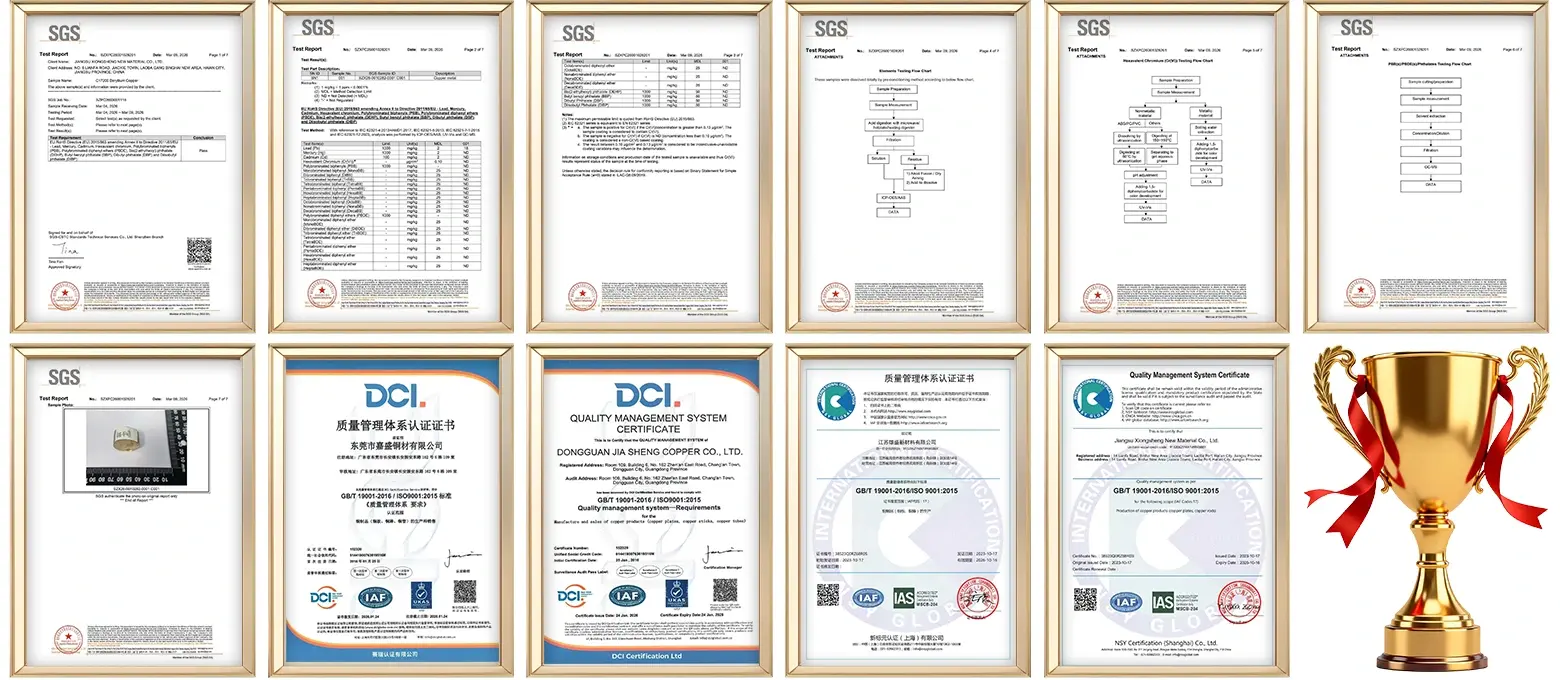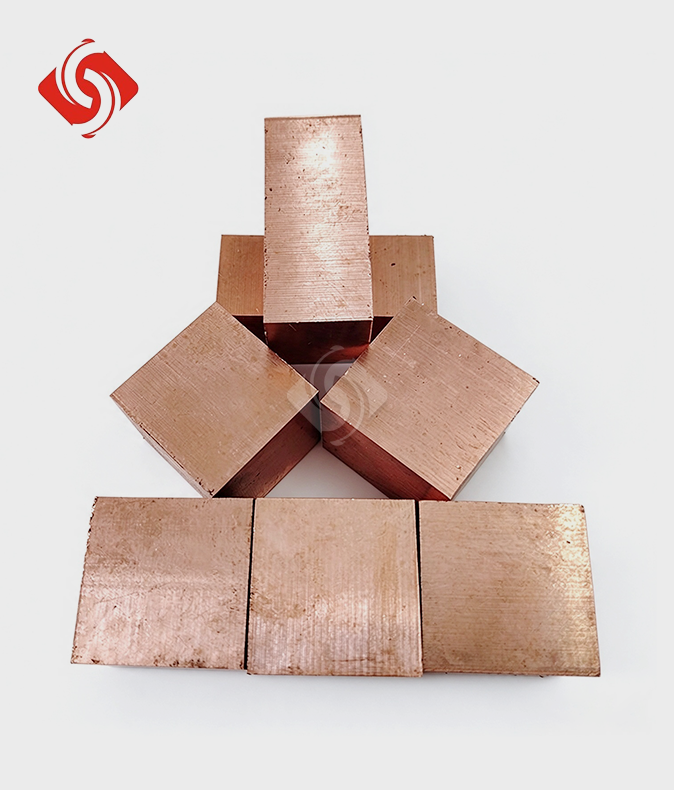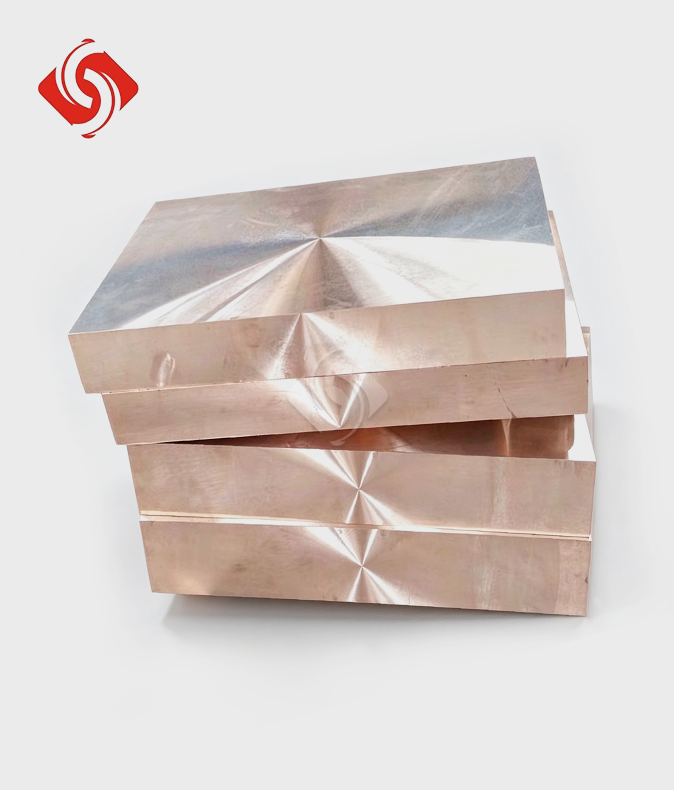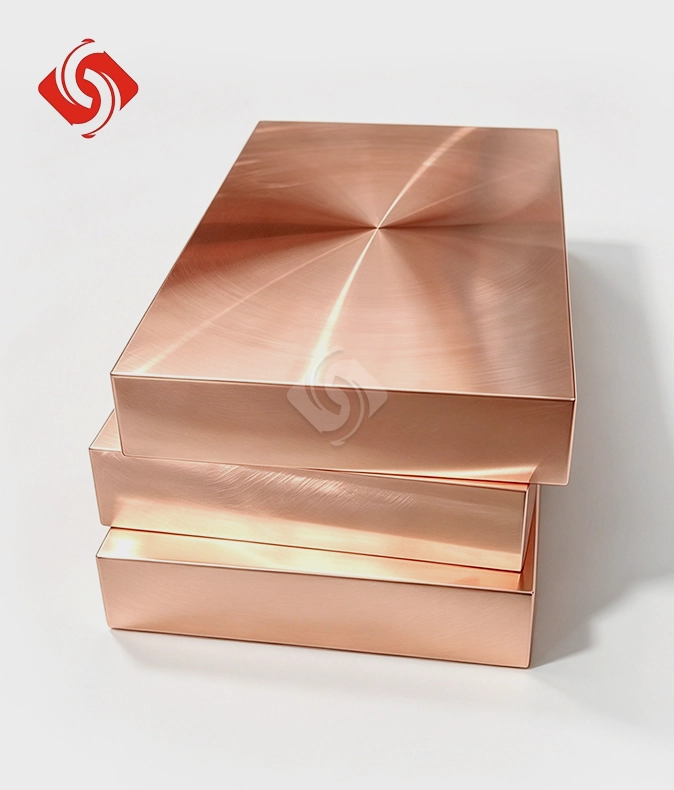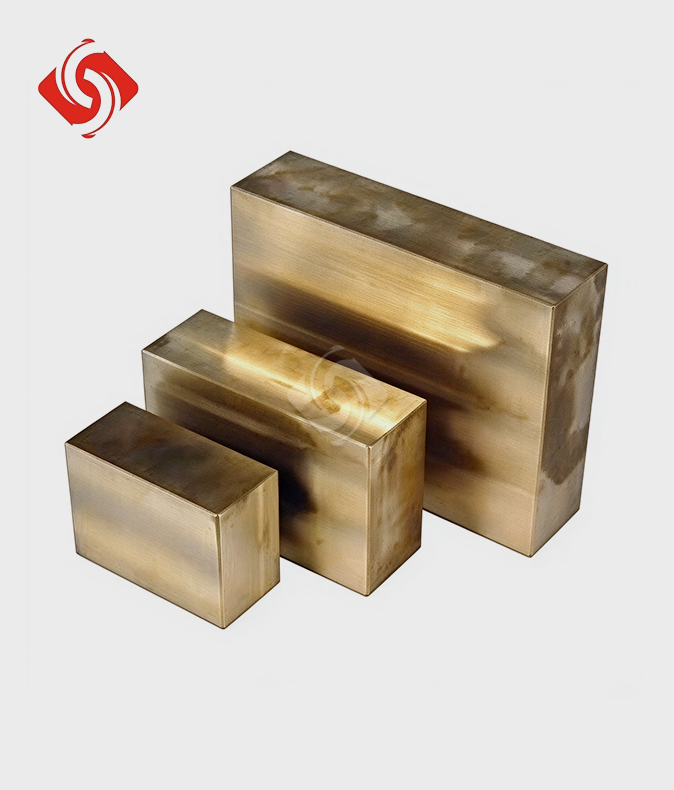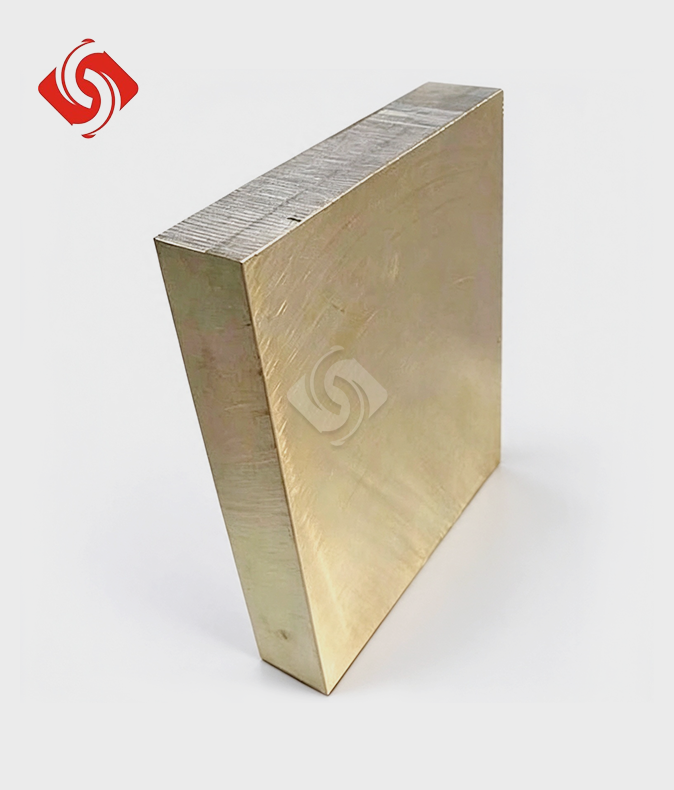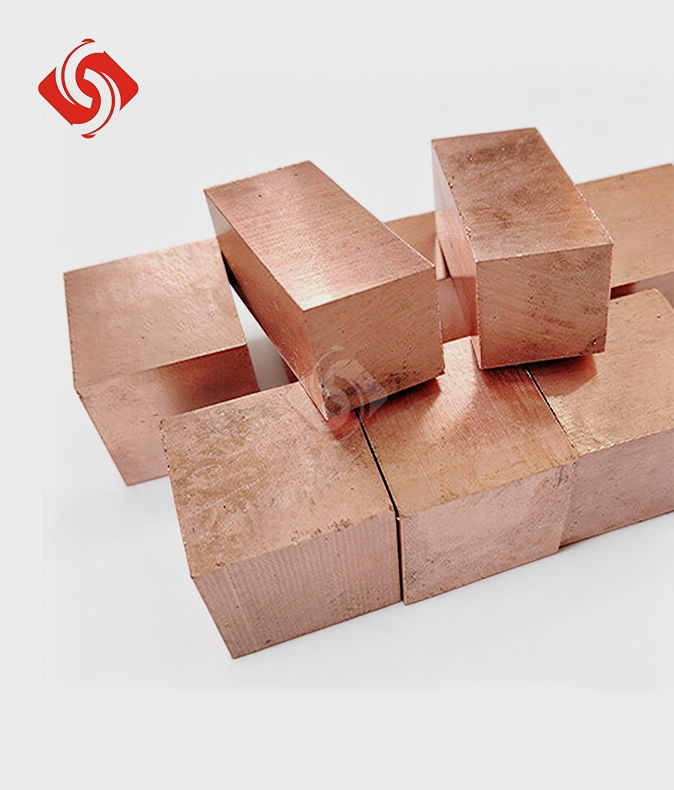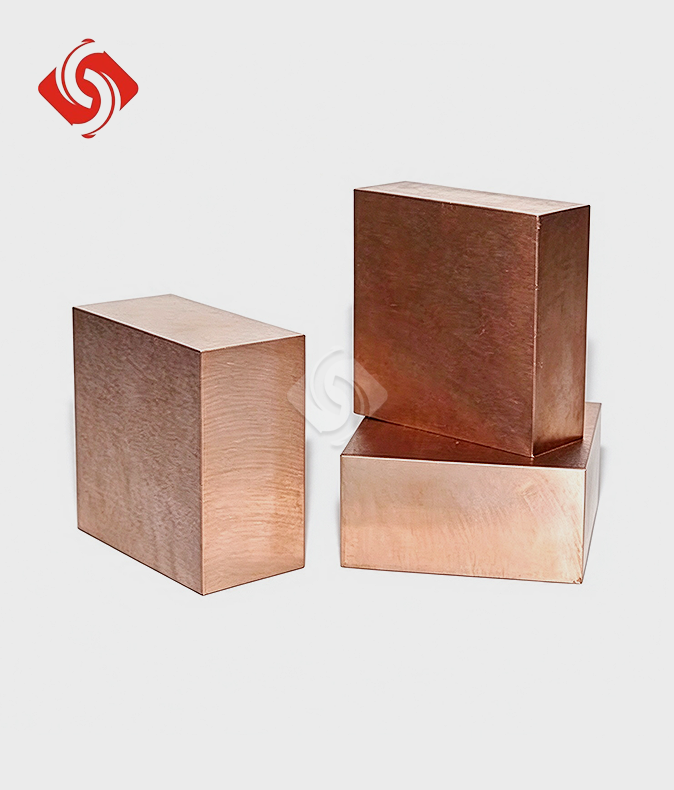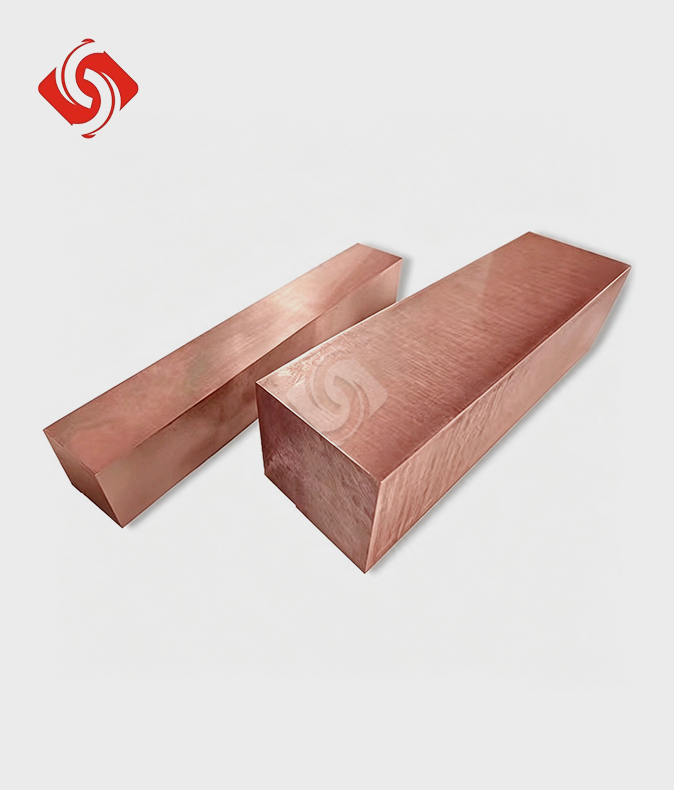
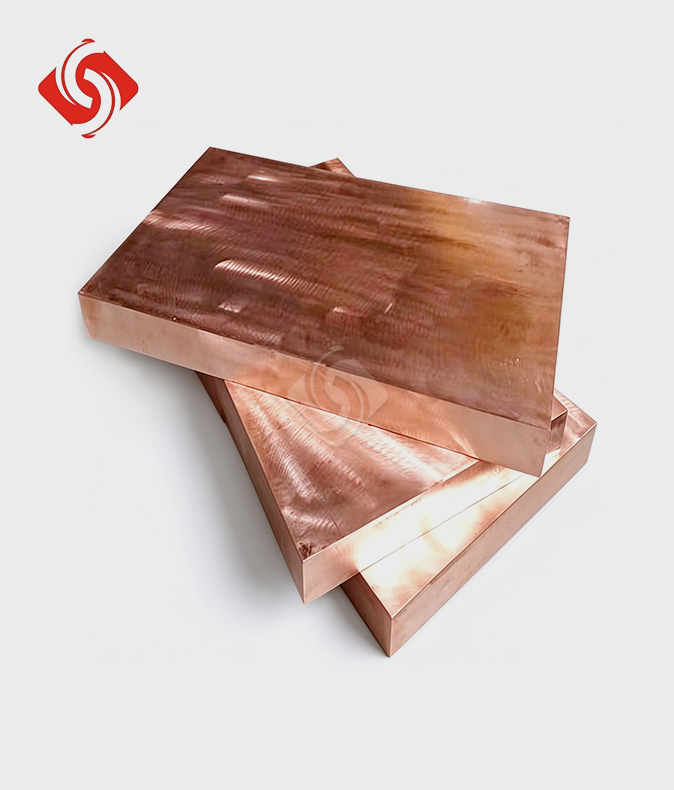
C18150 Chromium Zirconium Copper Plate
Grade: UNS C17200 / CuBe2 / Alloy 25 / EN CW103C
Standards: ASTM B194
Form Profile: Flat Plate, Sheet Stock, and Heavy-Duty Rolled Plates
Size Range: Thickness 1.0mm - 100mm, Width & Length Custom Cut Available
Temper Condition: Solution Annealed (TB00), Age-Hardened (TF00), or Cold-Rolled Half-Hard (TD02 / TH02)
Core Application: Stamping Springs, Diaphragms, Mold Base Plates, Wear Liners, & Current-Carrying Parts
Quality Assurance: ISO9001:2015, RoHS Compliant, MTC 3.1 Certified
Description
C18150 Chromium Zirconium Copper Plate for High-Temperature Industrial Applications — Superior Conductivity & Strength
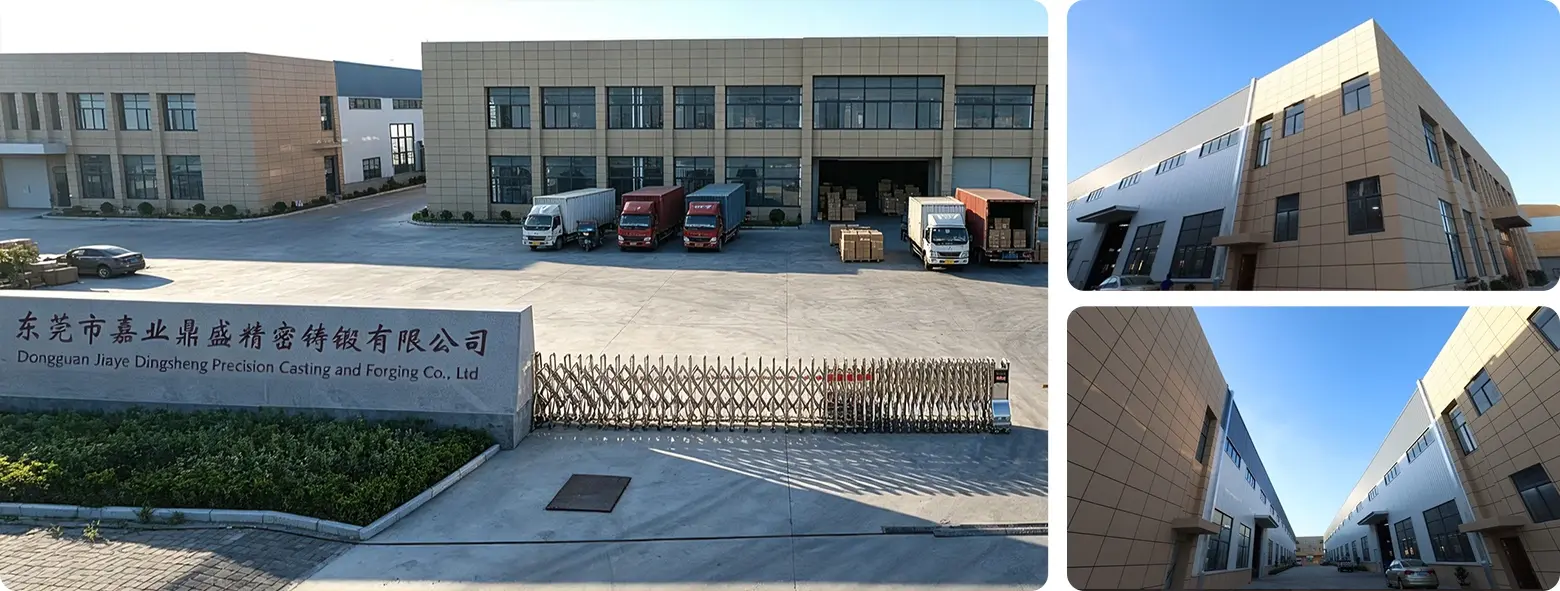
C18150 Chromium Zirconium Copper Plate is a precipitation hardened copper alloy containing 0.5% to 1.5% Chromium and 0.05% to 0.25% Zirconium as a means to obtain electrical conductivity of ≥80% IACS and tensile strength of >400 Mpa. Dongguan Jiaye Dingsheng Precision Casting & Forging Co., Ltd. Material. Established in 1997, More than 25 years knowledge in copper alloy.
The manufacturing technology is based on vacuum melting, precision rolling and controlled ageing heat treatment. All plates are supplied with a comprehensive Mill Test Certificate (MTC) including chemical composition, hardness (≥75 HRB) and conductivity data and are consistent with ASTM B441, RWMA Class 2 and ISO 9001 standards.
Why Is C18150 Different from Normal Copper Alloys
Copper is soft over 200°C and not appropriate for high-stress thermal applications.
C18150 is stable and hard up to 500°C. Even after prolonged duration heat treatment the chromium and zirconium precipitates are dispersed throughout the copper matrix and physically blocking dislocation motion and limiting grain formation.
The result is a material which is robust, conductive and wear resistant in situations which cause normal brass or pure copper to distort, oxidise or fail shortly.
Key Technical Specifications
| Property | Value |
|---|---|
| Alloy Grade | UNS C18150 |
| Chromium Content | 0.5% – 1.5% |
| Zirconium Content | 0.05% – 0.25% |
| Copper | Balance |
| Electrical Conductivity | ≥80% IACS |
| Thermal Conductivity | ~320 W/(m·K) |
| Rockwell Hardness | ≥75 HRB |
| Tensile Strength | ≥400 MPa |
| Max Operating Temperature | ~500°C (932°F) |
| Applicable Standards | ASTM B441, RWMA Class 2, DIN 17666 |
| Temper Condition | Solution Treated & Aged (fully aged) |
| Available Thickness | 1.0 mm – 100 mm |
| Width & Length | Custom cut available |
| Compliance | ISO 9001, RoHS, REACH |
Primary Application Areas
Resistance Welding Electrode
The alloy is widely used in car sector for spot welding of galvanised steel sheets. The Zirconium addition, in particular, gives less sticking of electrodes and resistance to zinc contamination (a problem that accelerates degradation of the electrodes when just Chrome Copper (C18200) is used).
Moulds for Continuous Casting
The material used for crystallisation liners and mould plates in steel plants has to endure severe thermal shock, abrasive wear and rapid heat dissipation. The thermal conductivity of this alloy, ~320 W/(m·K), is one of the few materials that meets all three criteria concurrently.
Power Electronics & Switchgear
In high voltage circuit breakers and switchgear the plate functions as a heavy duty contact material and heat sink. It has ≥80% IACS conductivity to reduce energy loss. The mechanical strength avoids deformation under electromagnetic stress during switching.
EDM Electrodes for Accurate Mould Production
C18150 Chromium Zirconium Copper Plate is also utilised frequently in EDM (Electrical Discharge Machining) electrode use in precision mould manufacture due to reduced wear rate and better surface polish than pure copper.
Quality Control Process
Before shipping, every single plate is subjected to 5 unique inspection methods.
Eddy Current Conductivity Test (ASTM E1004) Verify that the material has the minimum conductivity of 80% IACS to be classified as RWMA Class 2.
Rockwell Hardness Testing: Checks ageing to optimum hardness (≥75 HRB) for suitable wear resistance in service.
Metallographic Inspection: Grain size and uniformity of Cr and Zr precipitation dispersion to prevent localised weak zones during thermal cycling.
Ultrasonic NDT: For plates thicker than 20 mm. Required to detect internal porosity or inclusions which might lead to early fracture.
Softening Temperature Test: Samples heated for 2 hours at 500°C. Long term performance stability under high heat conditions must be restricted to 10% or less of hardness degradation.
Material Advantages Over Competing Alloys
You obtain a mix of qualities that no one alternative alloy does:
- vs. Pure Copper: Up to 2x harder and 2.5x greater wear resistance with no conductivity loss
- vs. C18200 Chrome Copper: Addition of Zirconium decreases electrode sticking by 30-40% in galvanised steel welding applications
- vs. Beryllium Copper (C17200): No health and safety requirements specific to beryllium; easy to process and recycle
- vs. Brass: Thermal conductivity (~320 W/m·K) is about 5× greater hence it is significantly more effective for heat dissipation applications
Custom Dimensions and Supply Options
In your production process, you may need plate sizes that are not available off the shelf. Custom Cutting Available Thickness 1.0 mm to 100 mm width and length as per your design.
The hardness and conductivity characteristics may be heat treated to meet your particular application needs. No charge technical help for alloy selection and performance consultation is provided.
Quotes are sent within 24 hours. In stock items ship within 3-5 days. All shipments include a comprehensive MTC indicating chemical composition, hardness and conductivity data and RoHS and REACH compliance certification.
Frequently Asked Questions
Q1: C18150 is better than C18200 (Chrome Copper) for welding electrodes. Why?
A1: C18150 contains zirconium whereas C18200 does not. Zirconium considerably reduces the likelihood of the electrode adhering to galvanized work parts. This greatly increases electrode life for lengthy manufacturing runs.
Q2: What is the greatest temperature this alloy can withstand?
A2: C18150 Chromium Zirconium Copper Plate retains its mechanical qualities up to around 500°C (932°F). Copper becomes soft at 200°C, so C18150 is clearly the alloy to use in high-heat applications.
Q3: Can I use the plate as EDM electrodes?
A3: Yes. It provides lower wear rates and better surface polish than pure copper, making it suited for precision EDM electrode applications in mould manufacture.
Q4: Do we need to provide heat treatment on the plate after machining?
A4: No, normally not. The plates are delivered in the fully aged state (Solution Treated & Aged), meaning that maximum hardness and conductivity are already reached at the time of delivery.
Q5: How to assure the alloy composition and quality for the buyers?
A5: Always obtain an MTR (Mill Test Report) including Cr and Zr chemical composition, conductivity reading (% IACS) and hardness as per RWMA Class 2 criteria.
Contact Us
Send your product specifications and customization demands for C18150 Chromium Zirconium Copper Plate to js01@jstongcai.com.cn, and we will send a detailed quotation and technical reply within 24 hours.