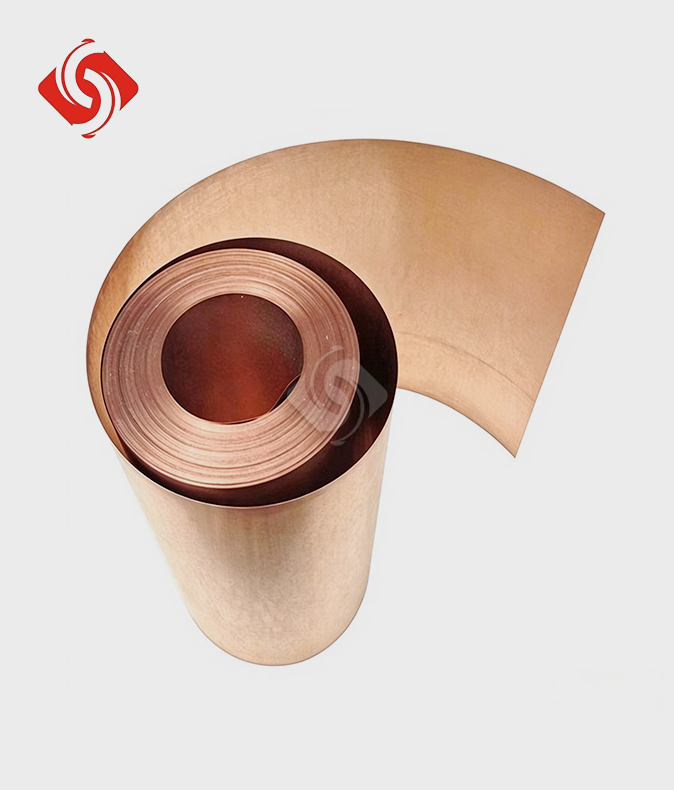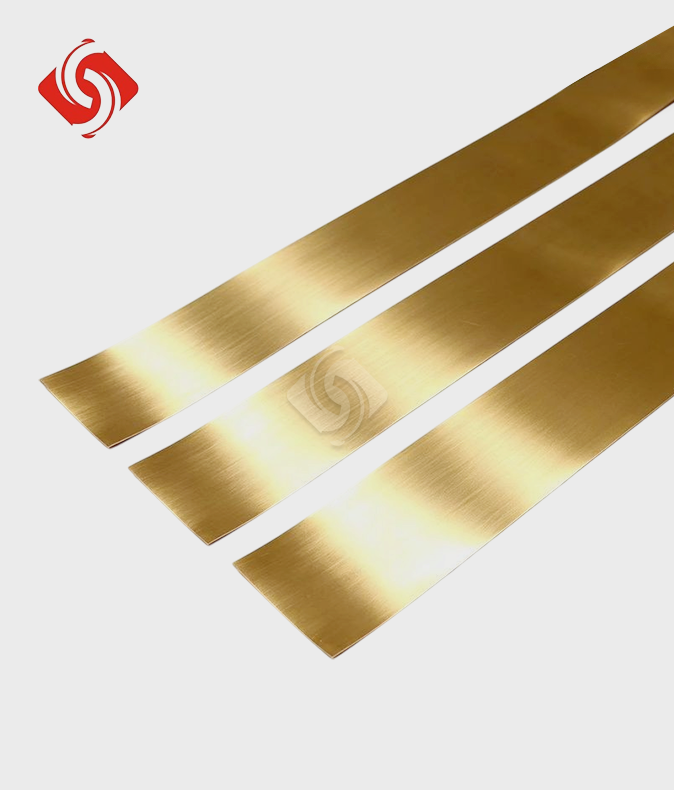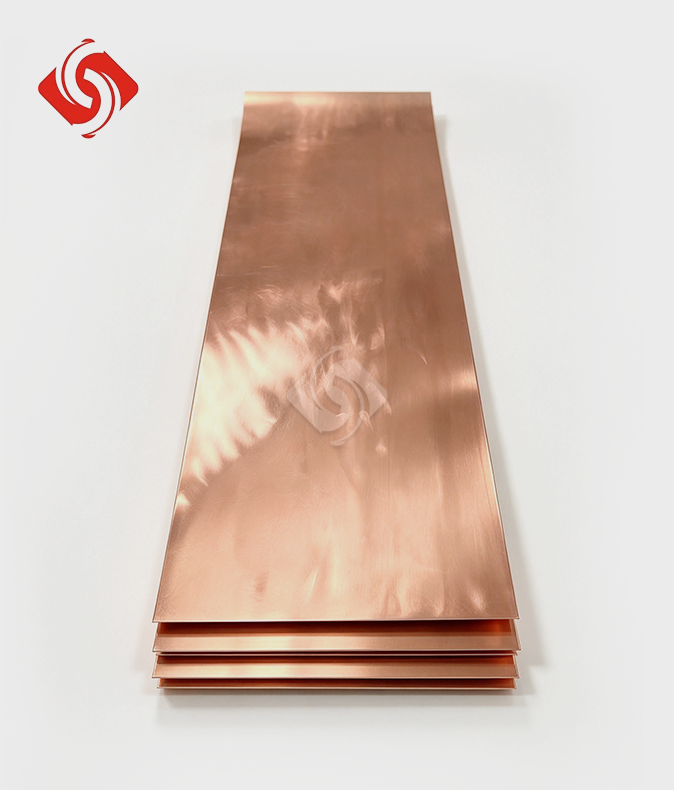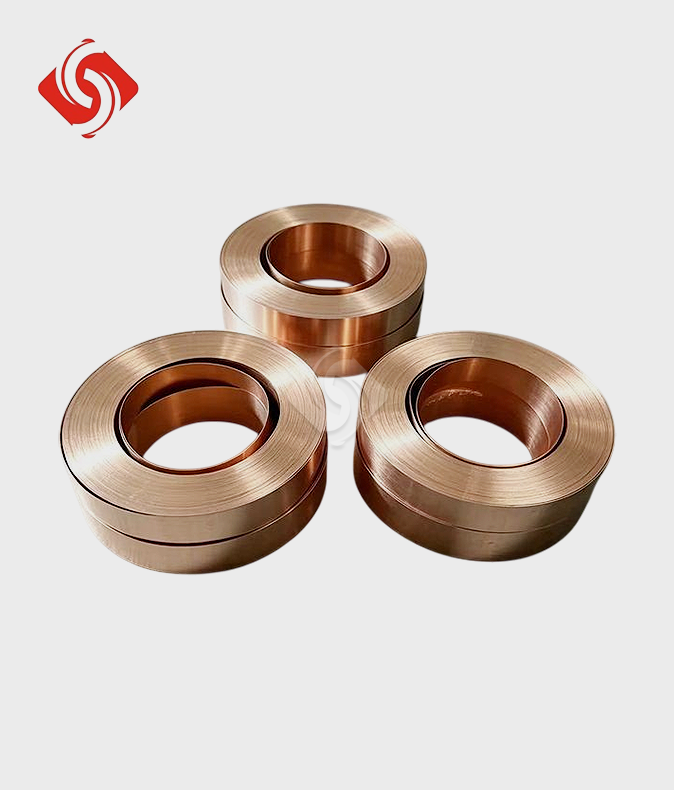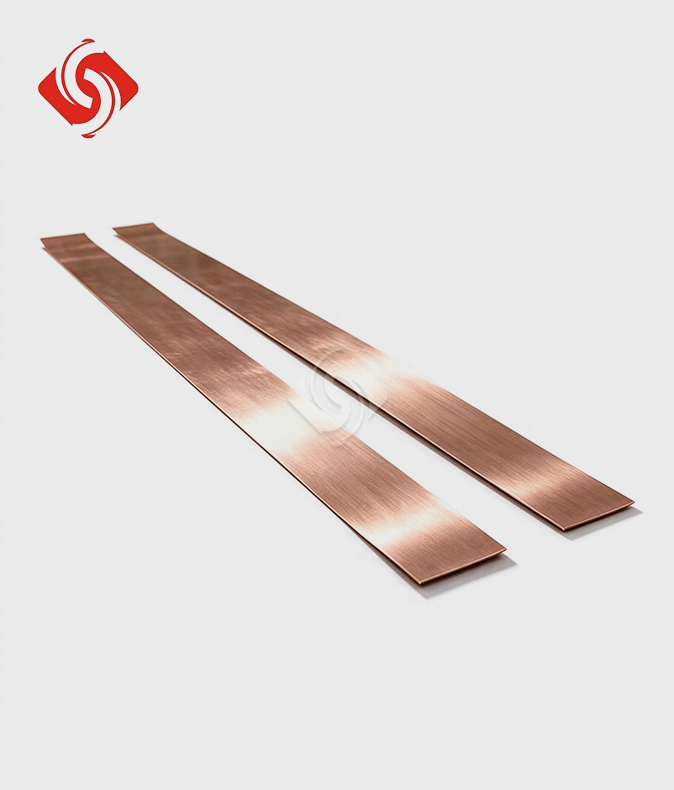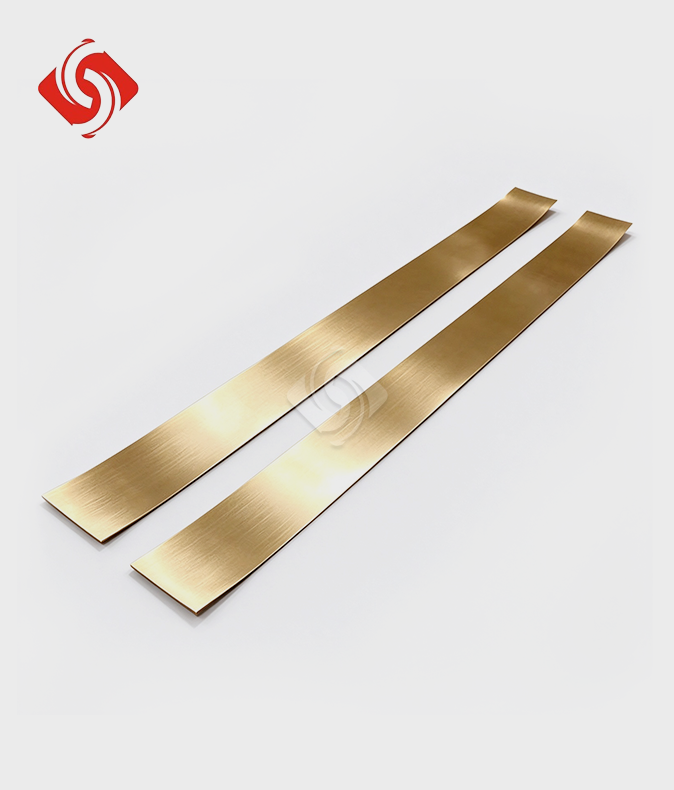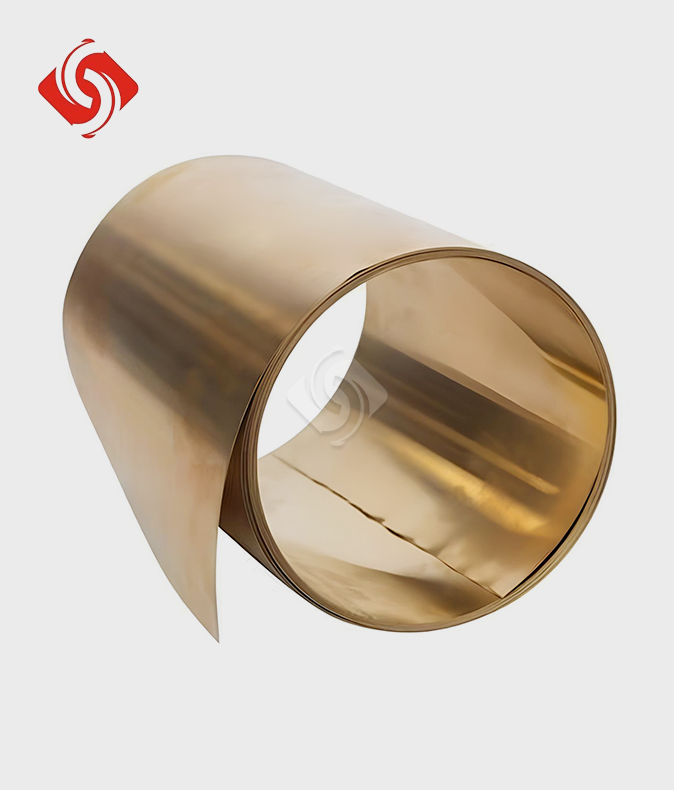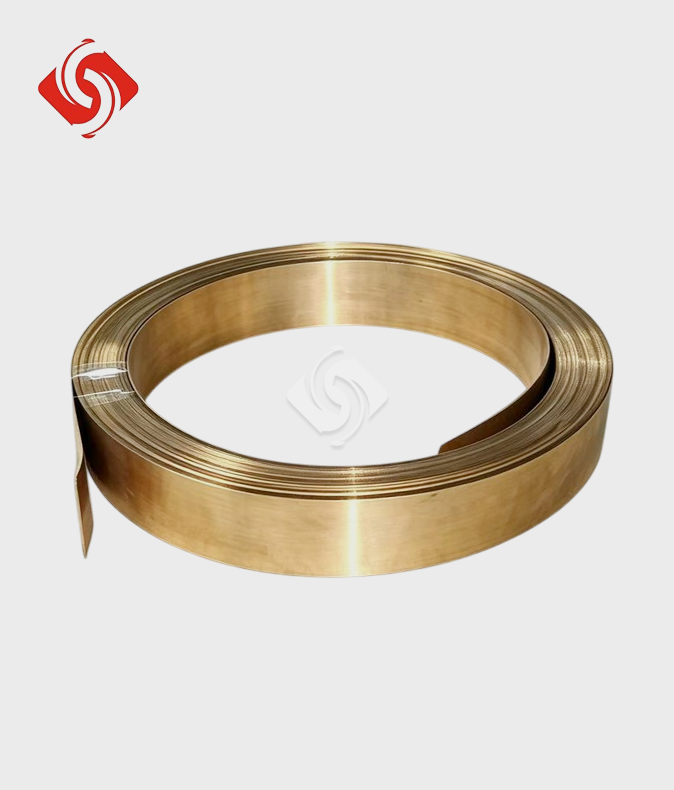
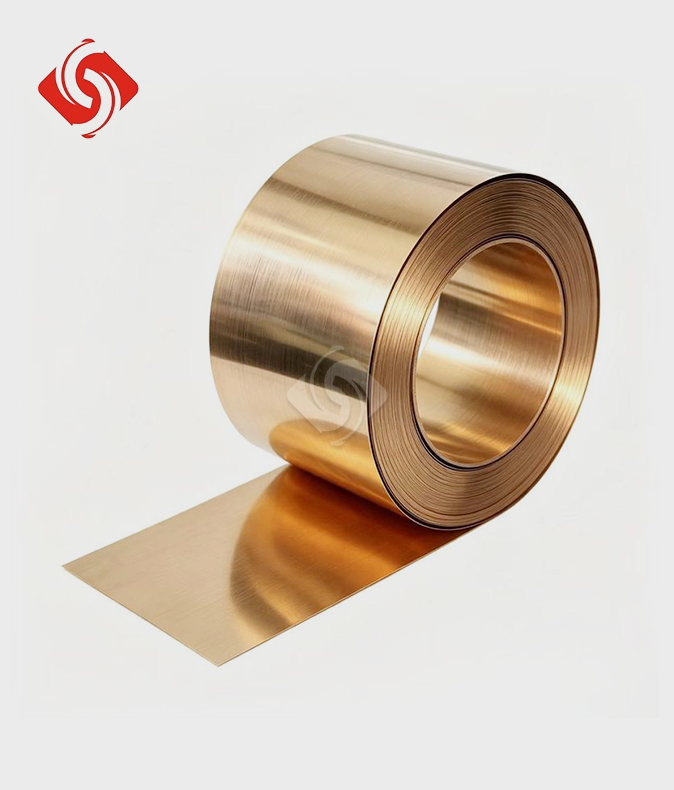
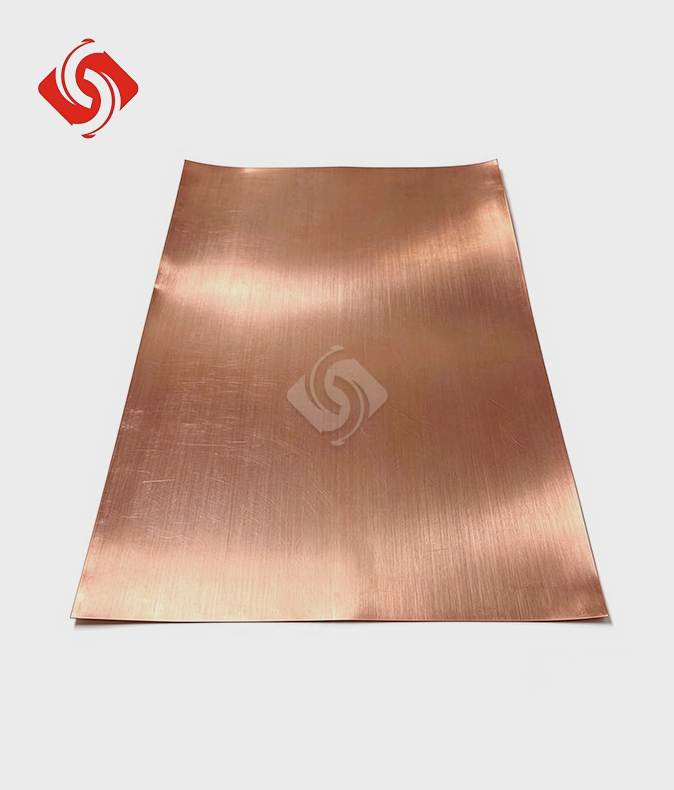
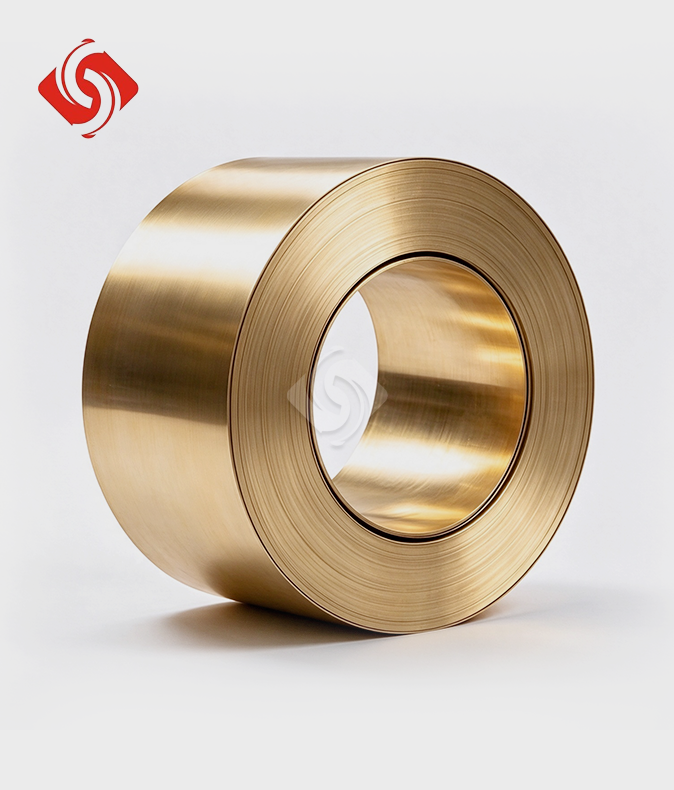
C17200 Beryllium Copper Strip
Grade: UNS C17200 / CuBe2 / Alloy 25 / CDA 172 / DIN 2.1247 / CW101C
Standards: ASTM B194, AMS 4530 / AMS 4532, SAE J461
Specification: Thickness 0.05mm - 2.5mm, Width 5mm - 400mm or Custom Precision Slit
1. Factory Direct Supply: Direct manufacturer pricing with strict quality control and batch consistency.
2. Ultra-High Precision Slitting: Precision width slitting tolerance up to ±0.05mm for high-speed automated stamping.
3. Superior Surface Quality: Bright annealed surface free of scratches, oxidation, and burrs.
4. Flexible Supply Conditions: Available in both annealed (TB00) and mill-hardened tempers (TM00–TM08, no additional heat treatment required).
5. Custom Slitting & Packaging: Coils wrapped with moisture-proof protection for ocean and air export.
6. Full Traceability & MTC: Mill Test Certificate (MTC) per EN 10204 3.1 provided with every shipment.
Description
C17200 Beryllium Copper Strip for Precision Electronics & Spring Contacts — High-Strength, Tight-Tolerance Supply
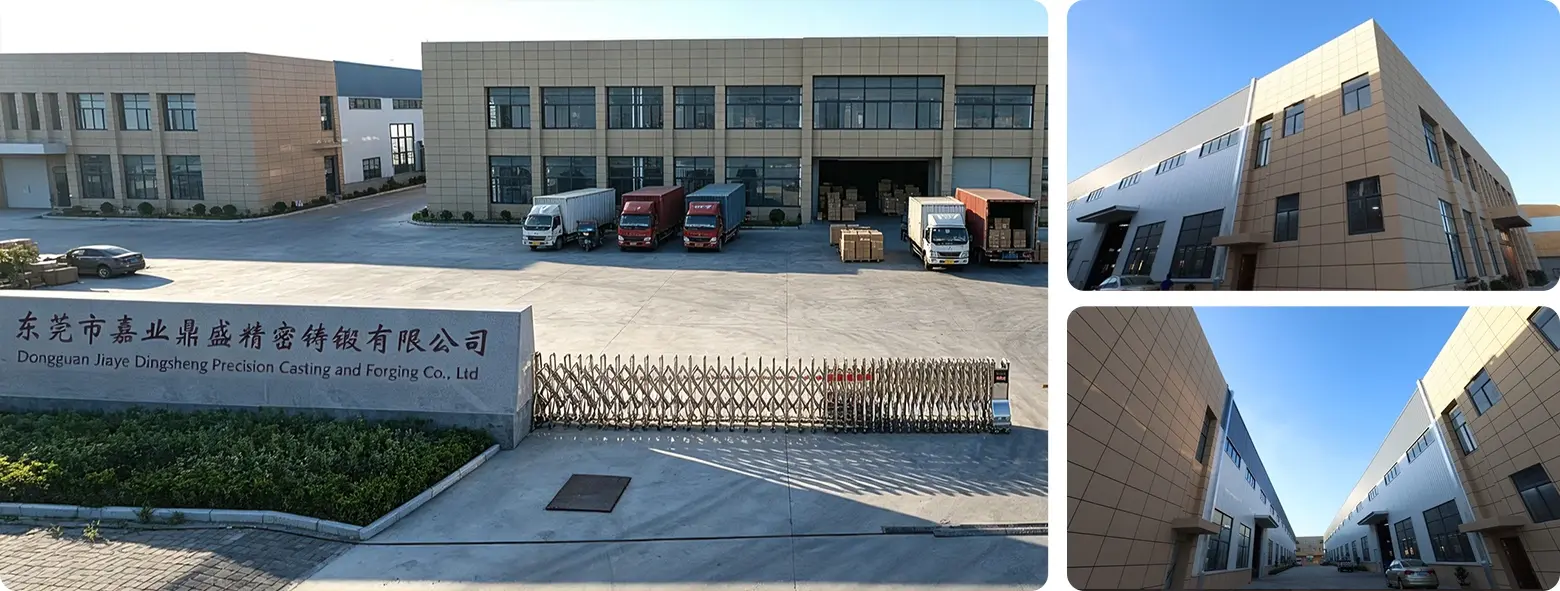
C17200 Beryllium Copper Strip (UNS C17200 / CuBe2 / Alloy 25) is high performance copper beryllium alloy strip developed by Dongguan Jiaye Dingsheng Precision Casting & Forging Co., Ltd. Founded in 1997, we have over 25 years of expertise in alloy production.
Thickness from 0.05 mm to 2.5 mm, breadth from 5 mm to 400 mm, slitting tolerance up to ±0.05 mm. Available in annealed (TB00) and mill-hardened (TM00-TM08) tempers. Mill Test Certificate (MTC) as per EN 10204 3.1 with each shipment. Quotes are available within 24 hours and stock products ship within 3-5 days.
What Is C17200 Beryllium Copper Strip?
The C17200 beryllium copper strip is a copper based alloy with beryllium content between 1.80 and 2.00 percent with additions of cobalt and nickel (Co+Ni ≥0.20%). Also called CuBe2, Alloy 25, CDA 172 or DIN 2.1247.
Unusual combination of properties: tensile strength up to 1480 MPa after age hardening, elastic modulus 131 GPa and electrical conductivity 22-28% IACS in hardened state. Such properties make it the perfect choice for precision spring contacts, connectors, relays and micro-switches.
Made to ASTM B194, AMS 4530/4532 and SAE J461 standards.
Chemical Composition
| Element | Content |
|---|---|
| Be (Beryllium) | 1.80 – 2.00% |
| Co + Ni | ≥ 0.20% |
| Co + Ni + Fe | ≤ 0.60% |
| Fe | ≤ 0.10% |
| Al | ≤ 0.15% |
| Si | ≤ 0.15% |
| Pb | ≤ 0.02% |
| Cu | Balance |
Chemical composition is verified by OES (optical emission spectrometry) and ICP-OES analysis during both incoming material inspection and final product testing.
Mechanical & Physical Properties by Temper
| Temper | Condition | Tensile Strength | Hardness | Conductivity |
|---|---|---|---|---|
| TB00 (A) | Solution Annealed | 410–550 MPa | HV 110–140 | 15–19% IACS |
| TD01–TD04 | Cold Worked | 550–830 MPa | HV 180–240 | — |
| TF00 | Age Hardened (by customer) | 1280–1480 MPa | HRC 38–45 | 22–28% IACS |
| TM00–TM08 | Mill-Hardened | 720–1250 MPa | HV 270–400 | 22–28% IACS |
Thermal conductivity in the aged and mill-hardened condition reaches 105 W/m·K. The elastic modulus is 131 GPa, which provides consistent spring-back performance in stamped parts.
Dimensional Specifications
| Parameter | Range / Tolerance |
|---|---|
| Thickness | 0.05 mm – 2.5 mm |
| Width | 5 mm – 400 mm (custom slit available) |
| Thickness tolerance (ASTM B194) | ±0.003–0.025 mm depending on gauge |
| Thickness tolerance (thin strip ≤0.15 mm) | ±0.005 mm custom precision |
| Slitting width tolerance | ±0.05 mm |
Custom precision slitting is available for automated high-speed stamping lines requiring tight width consistency.
Key Performance Advantages
Formability for High-Speed Stamping
The solution annealed temper (TB00) provides high ductility for deep drawing and complex bending. Once formed, parts can be age-hardened by the customer to reach TF00 strength levels of 1280–1480 MPa, without dimensional distortion.
Mill-Hardened Tempers Save Process Costs
Tempers TM00–TM08 available in ready to stamp condition with tensile strength up to 1250 MPa. No post-forming heat treatment required. This minimises your manufacturing stages, minimises the danger of component distortion and minimises your lead time.
Stress Relaxation Resistance
The alloy retains over 90% of its initial contact force at 150°C for 1,000 hours. This is critical for electrical connectors and spring contacts operating in automotive under-hood or industrial environments where sustained clamping force is required.
Spark-Resistant & Non-Magnetic
C17200 is spark-resistant and non-magnetic, making it suitable for safety-critical tooling and aerospace instrumentation where ferromagnetic materials cannot be used.
Typical Application Areas
Precision Electronics: Spring contacts, EMI shielding gaskets, battery terminals, micro-switches and relay blades needing the fatigue strength to 300 MPa at 10^8 cycles.
Automotive Sensors Powertrain and safety system sensors for vibration resistance and thermal stability in high temperature settings of the engine.
Aerospace & Defence: Non-magnetic instrumentation components and bushings requiring high strength-to-weight ratio and galling resistance under intense pressure.
Telecom & Data Centres: Connectors with consistent contact pressure for thousands of mating cycles.
Mould & Tooling: Plastic injection mould inserts and resistance welding electrodes with exceptional hardness and thermal conductivity.

Quality Control Process
Every production batch goes through three stages of quality assurance:
Stage 1 — Incoming Material:
Raw material chemical composition is verified by ICP-OES. Beryllium content must fall within 1.80–2.00% before processing begins.
Stage 2 — In-Process:
Rolling temperature and pressure are monitored continuously. Hardness and microstructure are checked per batch. Grain size is measured per ASTM E112 to confirm uniform forming characteristics.
Stage 3 — Final Inspection:
Chemical analysis by OES Rockwell / Vickers hardness testing Tensile testing to ASTM E8 Dimensional measurement with high precision micrometres or laser gauges 100% surface examination for scratches, pits and oxidation. Segregated non-conforming materials are reprocessed.
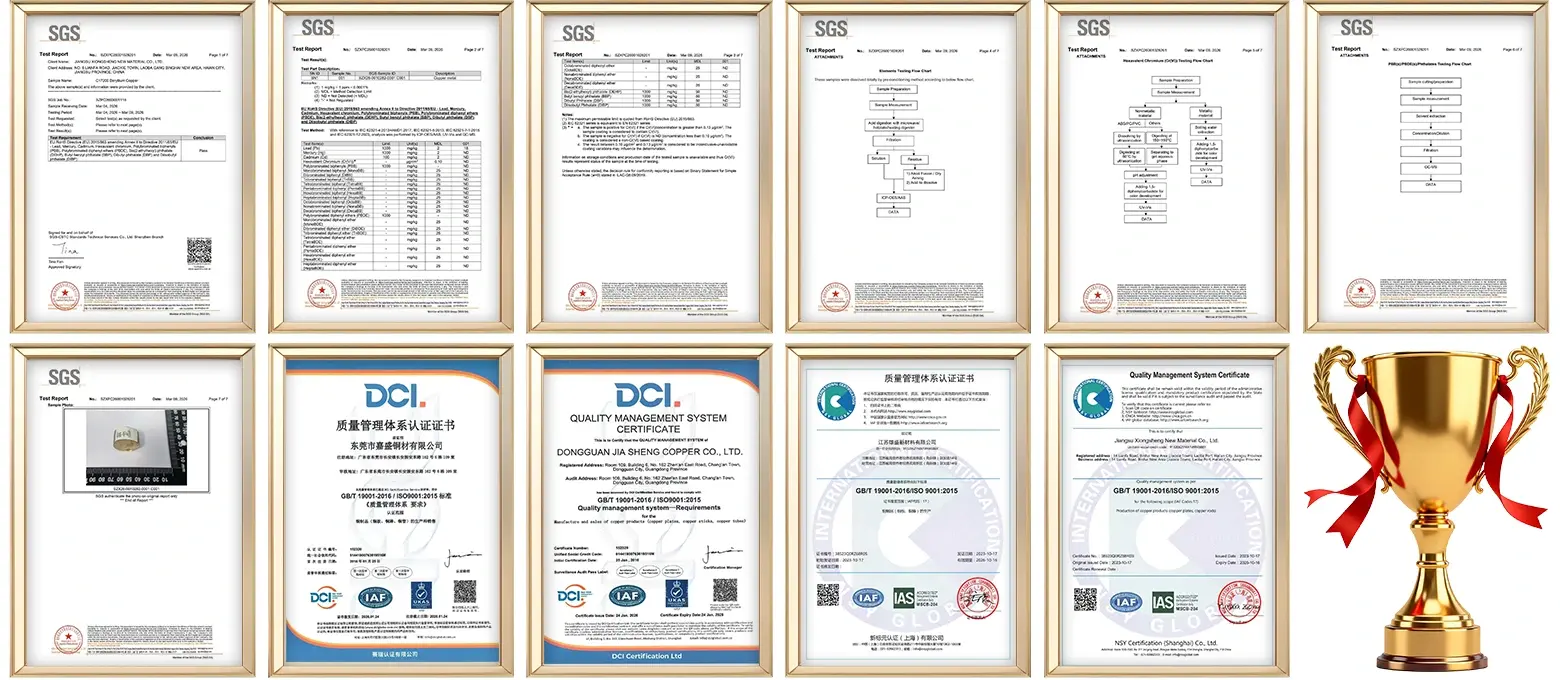
Each shipment is accompanied by a Mill Test Certificate (MTC) according to EN 10204 3.1 listing chemical composition, hardness and conductivity characteristics.
Certificate
FAQ
Q1: What is the difference between TB00 and TM tempers?
A1: TB00 is solution annealed — soft and easy to stamp into complex shapes. TM tempers are mill-hardened at the factory, so you can stamp and use parts directly without any additional heat treatment.
Q2: Can customers perform age hardening after stamping?
A2: Yes. TB00 material can be stamped first, then age-hardened by the customer to reach TF00 strength (1280–1480 MPa, HRC 38–45). This is common for spring contacts and precision connectors.
Q3: How does this alloy handle stress relaxation at elevated temperatures?
A3: It retains over 90% of initial contact force at 150°C for 1,000 hours. Most standard copper alloys cannot match this performance under prolonged thermal load.
Q4: Is the strip safe to handle in solid form?
A4: Yes. Solid strip is non-hazardous. Safety precautions are only required when machining, grinding, or welding creates respirable dust or fumes containing beryllium particles.
Q5: What bending radius is recommended?
A5: For 1/2H material, a bend radius equal to 1× material thickness is typical. Harder tempers (TM06, TM08) require a larger radius to avoid cracking. Contact our technical team for application-specific bending guidelines.
Contact Us
Need a quote or technical support for C17200 Beryllium Copper Strip? Email us at js01@jstongcai.com.cn — responses within 24 hours.