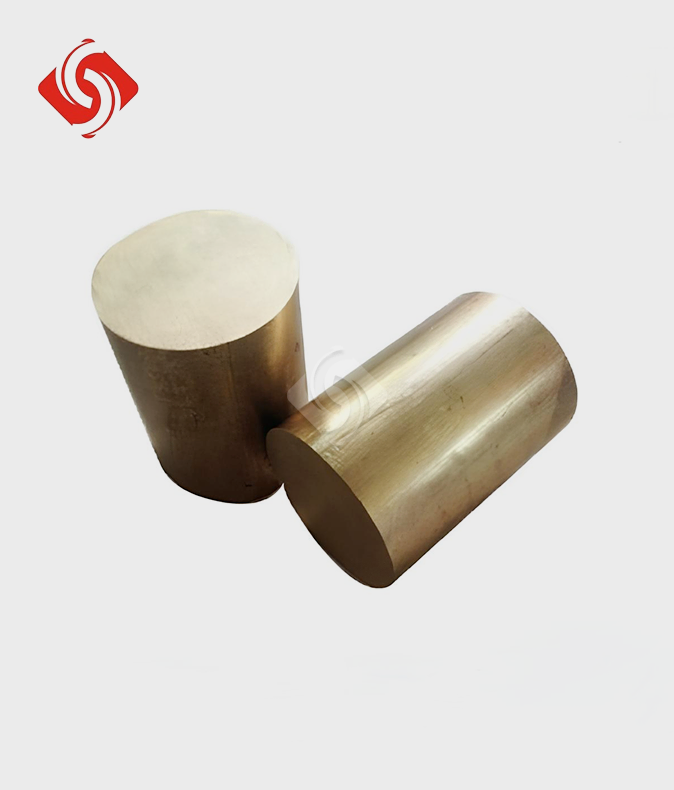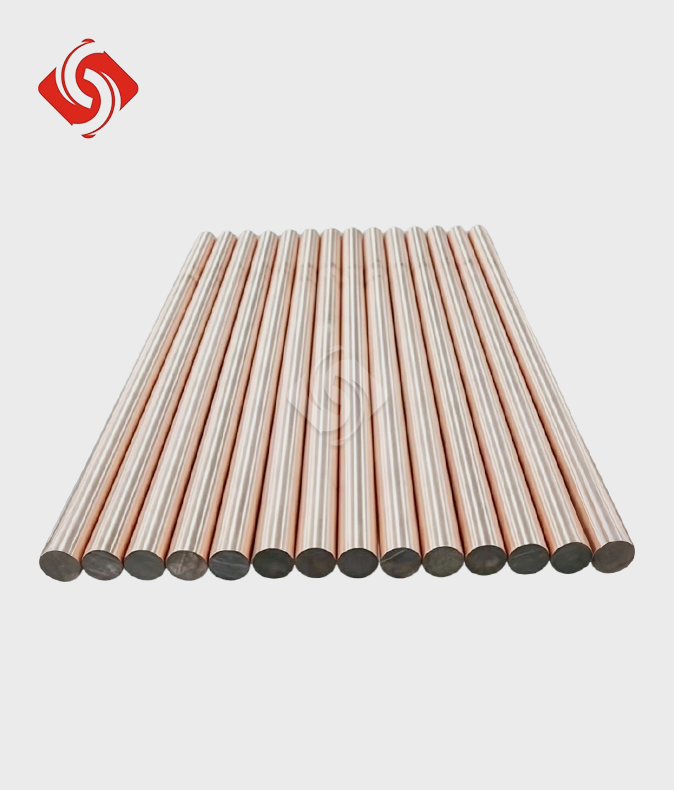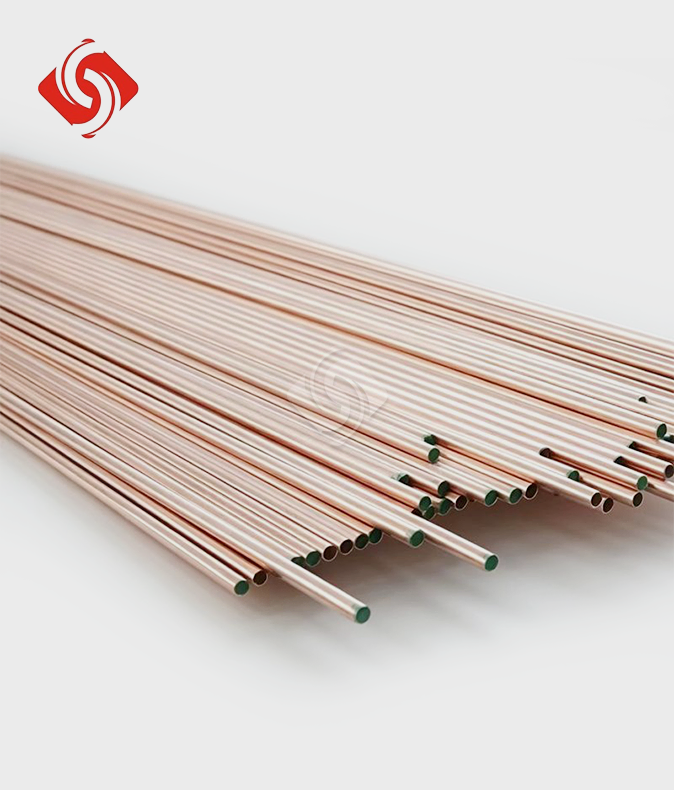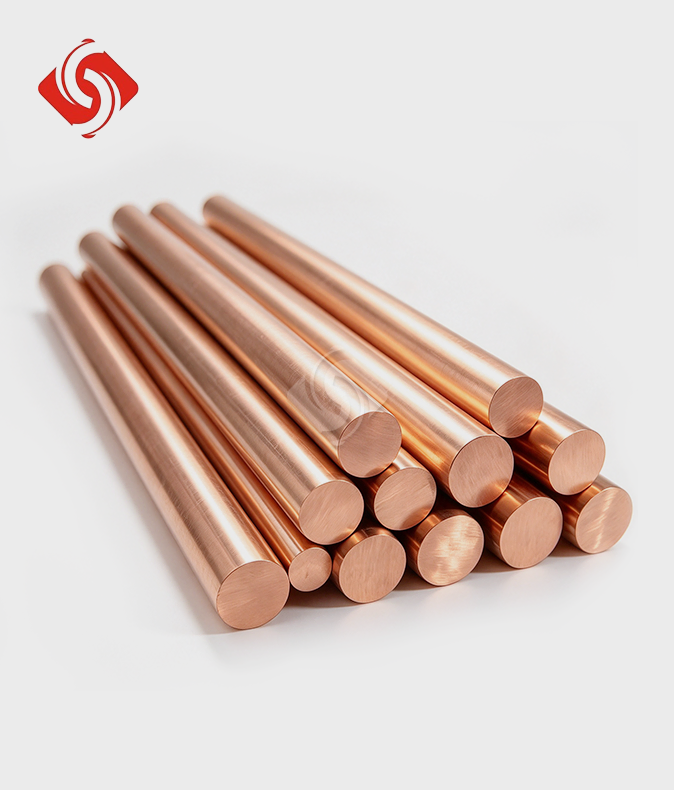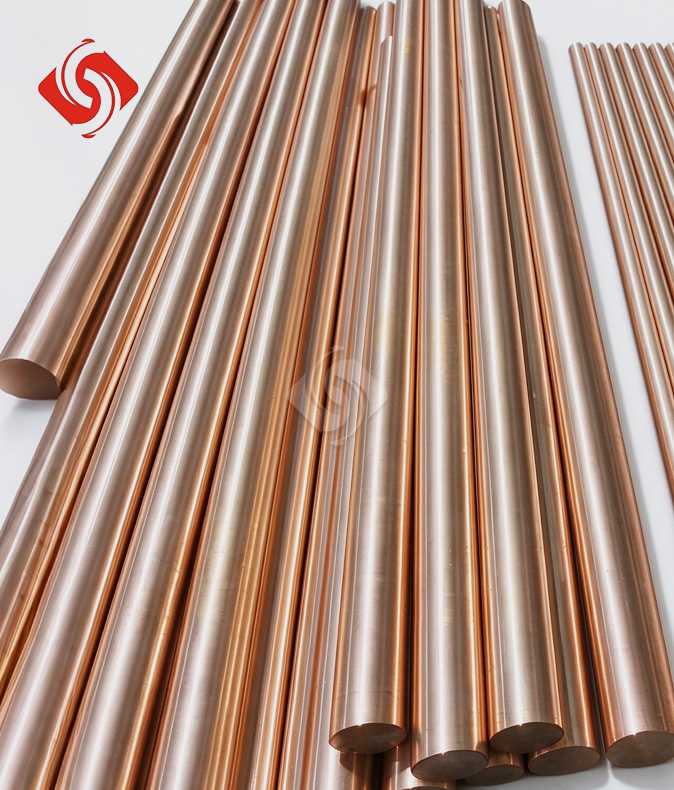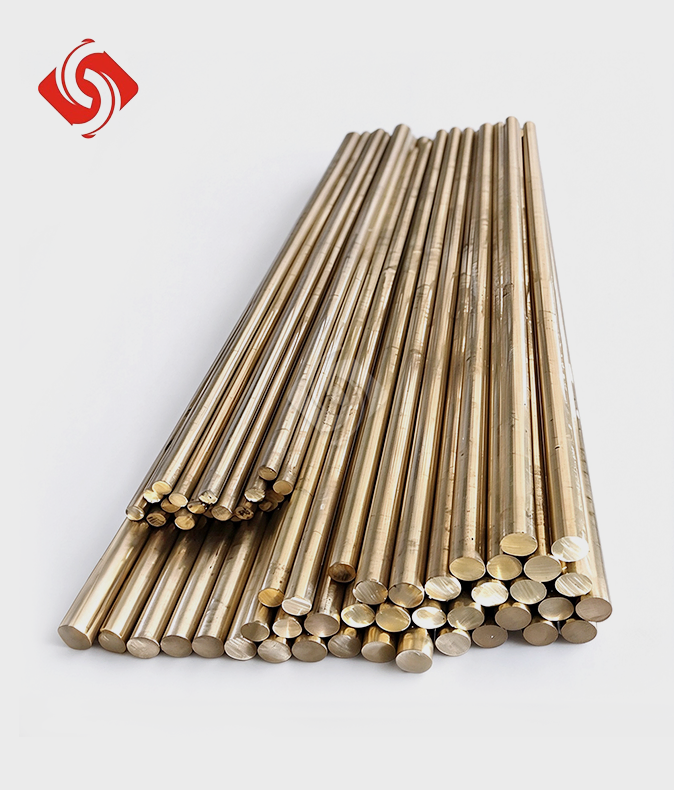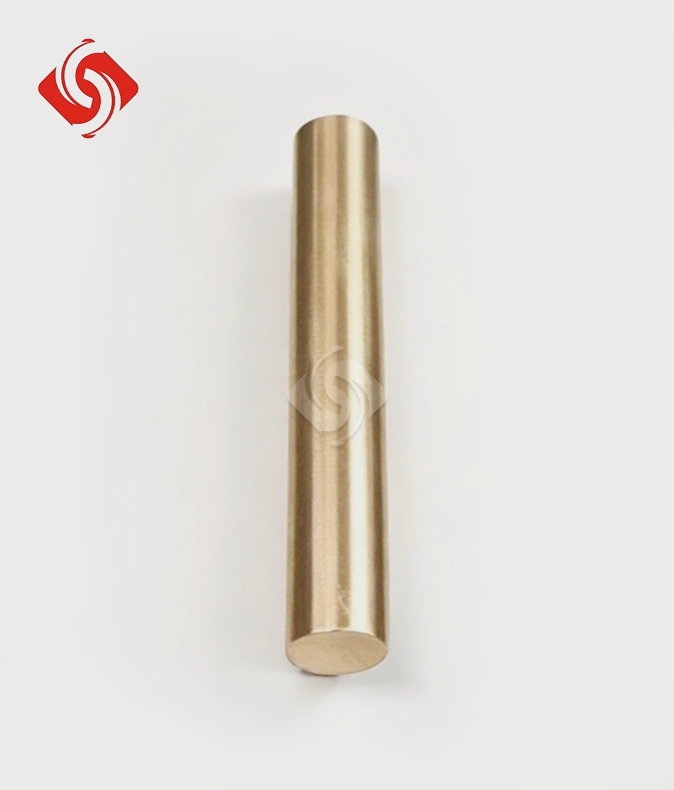
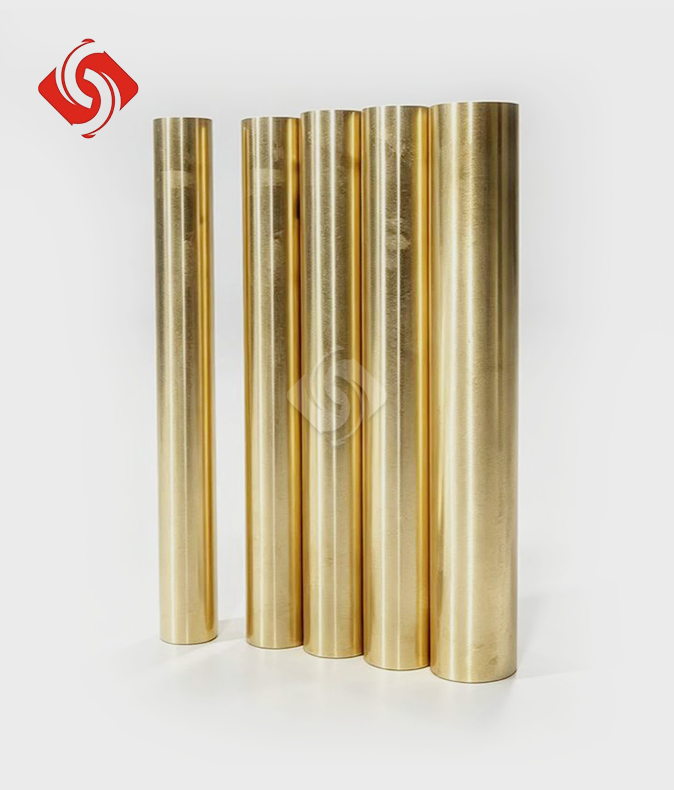
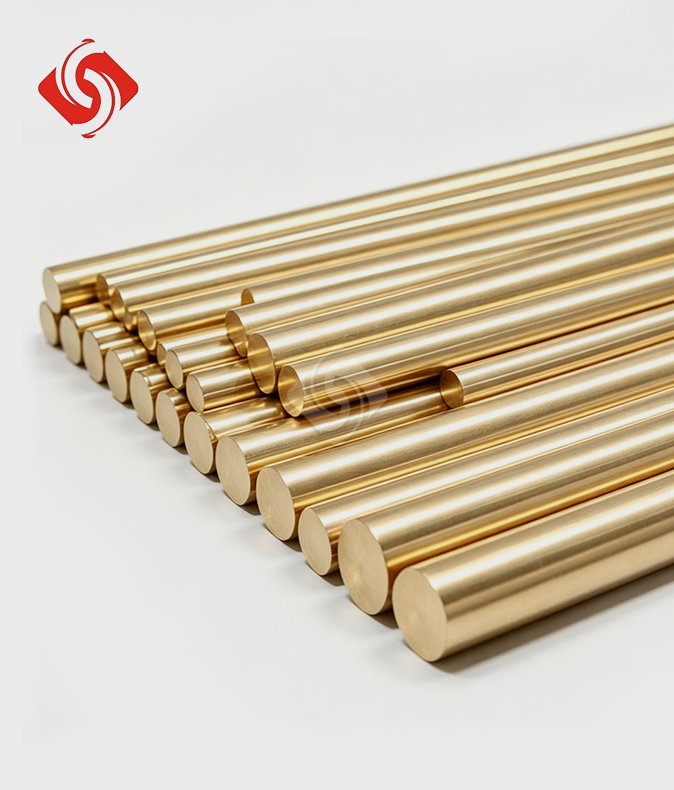
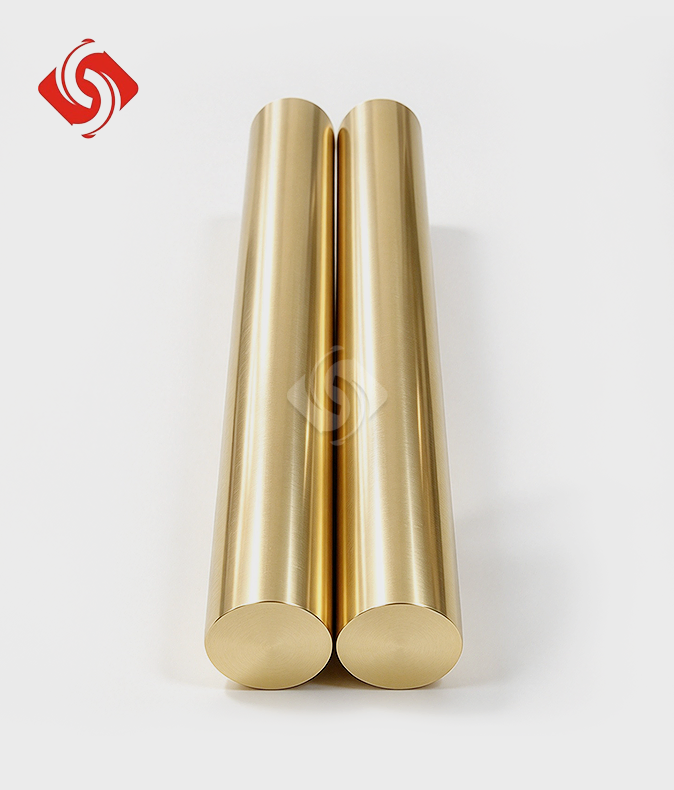
C17200 Beryllium Copper Rod
Grade: UNS C17200 / CuBe2 / Alloy 25
Standards: ASTM B196, ASTM B441, AMS 4533, AMS 4534, AMS 4651
Diameter: 2.5mm - 200mm
Length: 1000mm - 3000mm or Custom Cut
Available Tempers: Solution Annealed (TB00 / A), Cold Drawn (TD04 / H), Age Hardened (TF00 / AT), Cold Worked & Aged (TH04 / HT)
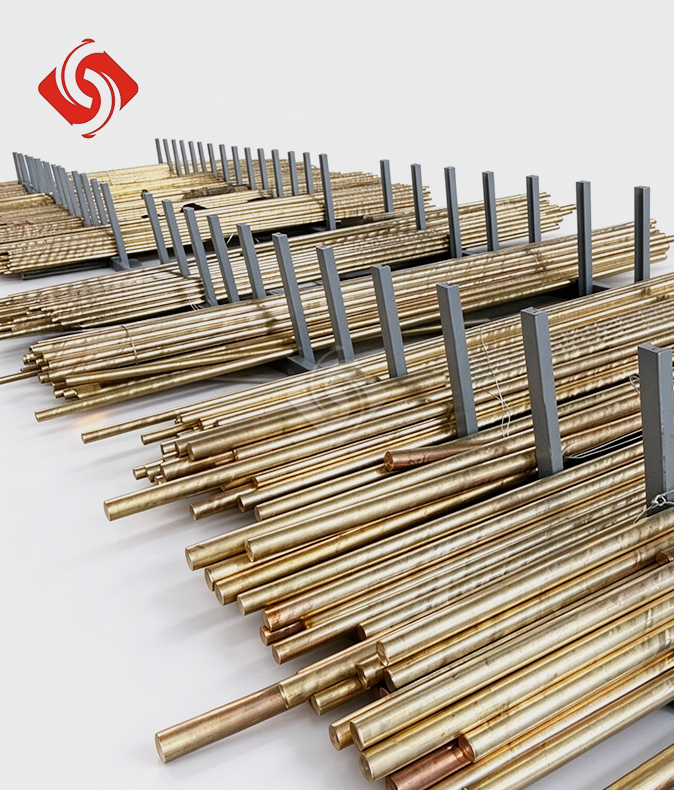
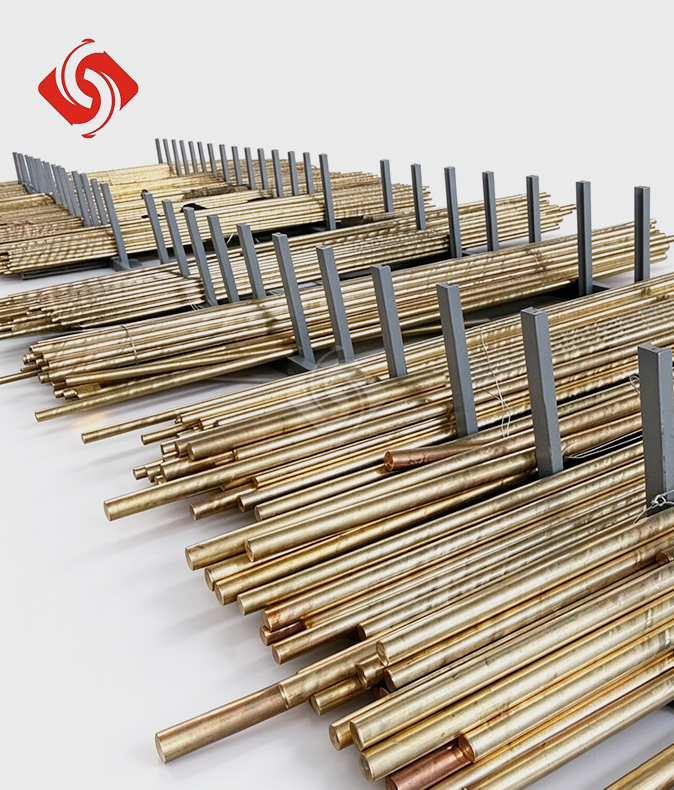
Stocks: 100+ Tons Standing Stock for Fast Delivery
Certificates: ISO9001:2015, RoHS, REACH, MTC
Description
C17200 Beryllium Copper Rod – High-Strength Alloy 25 for Precision Industrial Applications
C17200 Beryllium Copper Rod (UNS C17200 / CuBe2 / Alloy 25) is a precipitation hardenable copper alloy containing 1.80-2.00% beryllium. It has a tensile strength of up to 1480 MPa in the TH04 temper, the greatest of any copper alloy.
This alloy is manufactured by Dongguan Jiaye Dingsheng Precision Casting & Forging Co., Ltd. which was created in 1997, from vacuum melting up to the final inspection under ISO 9001:2015 certification. Available in diameters from 2.5 mm to 200 mm, lengths from 1000 mm to 3000 mm, with 100+ tons in standing stock, delivery in 3–5 days.

What Makes C17200 Beryllium Copper Rod Different?
Most copper alloys impose a choice between strength and conductivity. C17200 is the no-compromise alloy.
The alloy has a combination of mechanical and physical qualities which are not possible for normal brass, bronze or copper-chromium alloys and where the beryllium content has been kept at 1.80-2.00% and Co+Ni > 0.20%.
It is non-magnetic and non-sparking, features which are important in aeronautical assembly, explosive settings and delicate electronic equipment. C17200 Beryllium Copper Rod is the answer when steel instruments pose a threat and regular copper lacks the necessary strength.
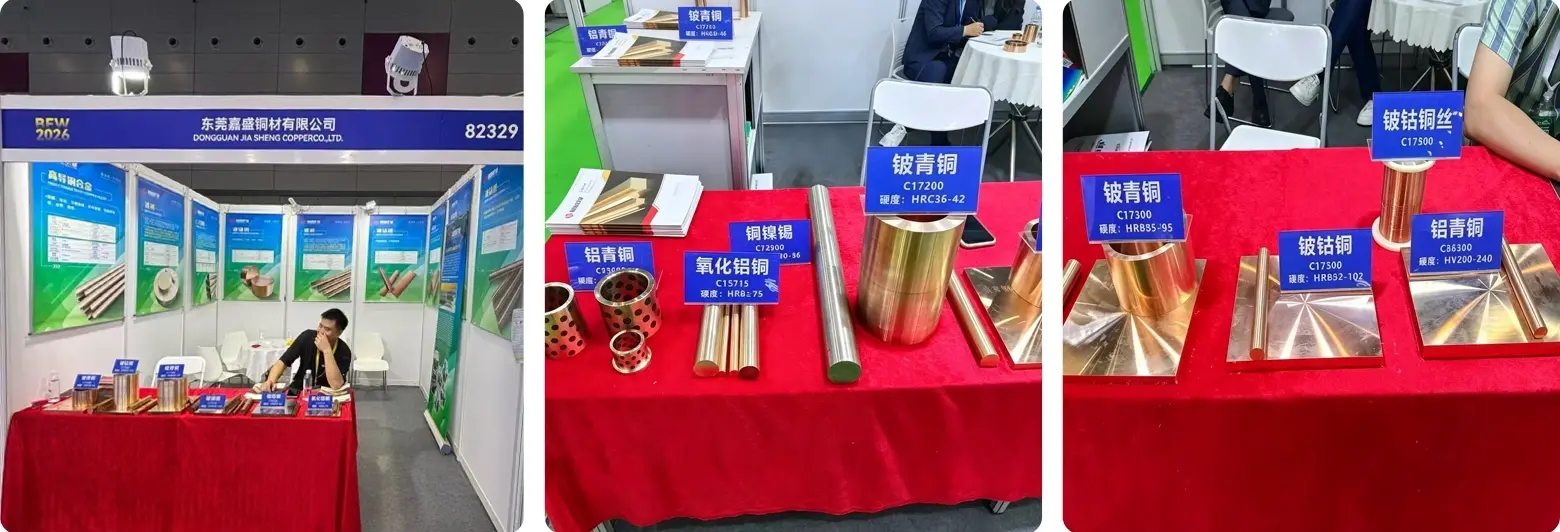
Technical Specifications
| Parameter | Details |
|---|---|
| Grade | UNS C17200 / CuBe2 / Alloy 25 |
| Standards | ASTM B196, ASTM B441, AMS 4533, AMS 4534, AMS 4651 |
| Be Content | 1.80 – 2.00% |
| Co + Ni | Min. 0.20% |
| Base Metal | Copper (Balance) |
| Diameter Range | 2.5 mm – 200 mm |
| Length | 1000 mm – 3000 mm or Custom Cut |
| Tensile Strength (TH04) | 1280 – 1480 MPa |
| Available Tempers | TB00 (A), TD04 (H), TF00 (AT), TH04 (HT) |
| Certifications | ISO 9001:2015, RoHS, REACH, MTC |
Available Tempers Explained
The choice of the proper temper is directly affecting the machinability, the ultimate hardness and the performance of the product. Quick summary:
- TB00 / Annealed (A): Softest condition. Well suited for complicated geometry machining prior to hardening.
- TD04 / Cold Drawn (H): Moderate hardness acquired by cold working. Good dimensional stability .
- TF00 / Age Hardened (AT) Hardness: Maximum by heat treatment only. Recommended for sections where maximum strength is required and where cold working will not be required.
- TH04 / Cold Worked + Aged (HT): Highest strength attainable – up to 1480 MPa tensile. Used for precise parts in severe duty.
The usual method is to manufacture the part in the TB00 condition and then age at 315°C (600°F) for 2 to 3 hours to get optimum characteristics with a minimum of deformation.
Key Performance Advantages
Balanced strength and conductivity: Its strength outperforms most stainless steel materials while keeping fundamental conductive qualities.
Flexible processing performance: Soft-state machining lowers tool loss and the following heat treatment will not cause considerable dimensional variation.
Stable fatigue and wear resistance. Suitable for precision springs, contacts and bearing parts for long-term high-cycle operation.
Environmental adaptability: suitable for flammable, explosive and magnetic interference sensitive situations by being nonmagnetic and nonsparking.
Application Areas
C17200 Beryllium Copper Rod is utilised in demanding sectors where ordinary materials approach their limit.
- Mould manufacturing – cavity inserts, core pins & ejector sleeves with heat conductivity & high hardness
- Aerospace & Defence Bushings, bearings, structural fasteners where weight and non-magnetic properties are important
- Precision Electronics Connector springs, switch contacts and relay components for reliable elastic performance
- Resistance Welding: Thermal conductivity and wear resistance of electrode holders and spot welding tips
- Explosion Proof Tools: Hammers, wrenches and chisels for usage in areas where combustible gas or dust is present

Quality Control Process
Before shipping, a multi-stage inspection procedure is performed on every manufacturing batch.
Chemical Verification: Optical Emission Spectroscopy (OES) validates beryllium content (between 1.80-2.00%) and contaminant levels including Ni, Co and Fe.
Mechanical Testing: Rockwell/Vickers hardness testing, tensile testing following ASTM E8, verified the material was in the desired temper state.
Conductivity Testing: Eddy current testing validates IACS% values, confirming successful age hardening.
Ultrasonic Inspection (NDT): Ultrasonic testing detects internal defects, porosity or inclusions before the rod ever reaches your manufacturing line.
Dimensional Audit: Diameter and straightness tolerances are tested according to ASTM B196 criteria to verify compatibility for CNC machining operations.
Every shipment comes with a Mill Test Certificate (MTC) for chemical composition, hardness and conductivity data. Complete traceability is maintained on the whole batch from raw material to completed product.
Customization and Supply Options
We support custom cutting, size adjustment, performance parameter tuning and CNC finishing services. Professional technical teams provide alloy selection and heat treatment scheme guidance. In-stock goods ship quickly, and all custom orders support 24-hour quotation response.
Frequently Asked Questions
Q1: What is the maximum hardness of C17200?
A1: TH04 tempered material can reach about 45 HRC, subject to product specification and heat treatment process.
Q2: What is the difference between C17200 and C17500?
A2: C17200 has higher hardness for heavy-duty welding scenarios, while C17500 has higher conductivity for heat dissipation priority applications.
Q3: Is C17200 safe for machining?
A3: Solid rods are safe to process. Standard ventilation and dust removal measures are required during grinding and fine processing.
Q4: Can it be used for EDM electrodes?
A4: Yes, good wear resistance and edge stability make it applicable for fine EDM processing.
Q5: Why does the material soften during use?
A5: Long-term service above 350°C will cause thermal softening, which can be avoided by matched cooling measures.
Q6: What qualification documents can be provided?
A6: Complete MTC test reports, RoHS and REACH compliance documents are provided for each batch.
Contact Us
Send your product drawings and customized technical requirements of C17200 Beryllium Copper Rod to js01@jstongcai.com.cn, and we will provide professional formal quotations and technical support within 24 hours.