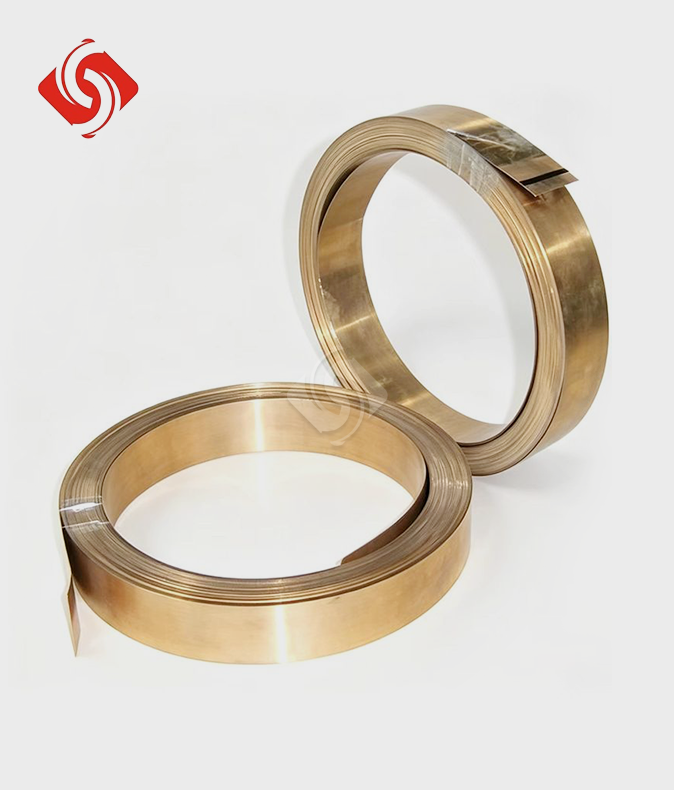
C17200 Beryllium Copper Strip Half Hard
Grade Equivalents: UNS C17200 / CuBe2 / Alloy 25 / RWMA Class 4 / EN CW103C
Application Focus: Complex Electronic Springs, Stamped Connectors, Relay Blades, & Micro-Clips
Executive Standards: ASTM B194, ASTM B248, ISO 5182 Specifications
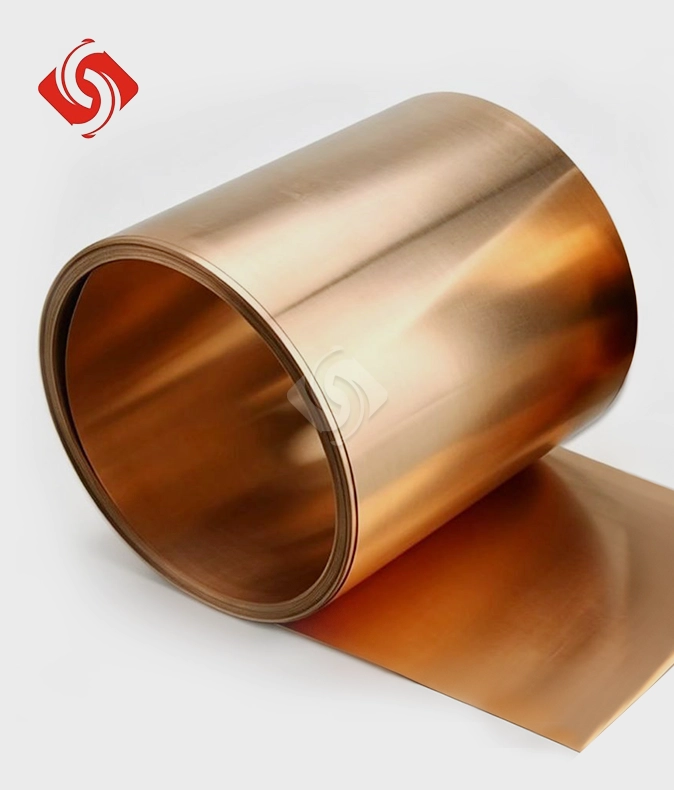
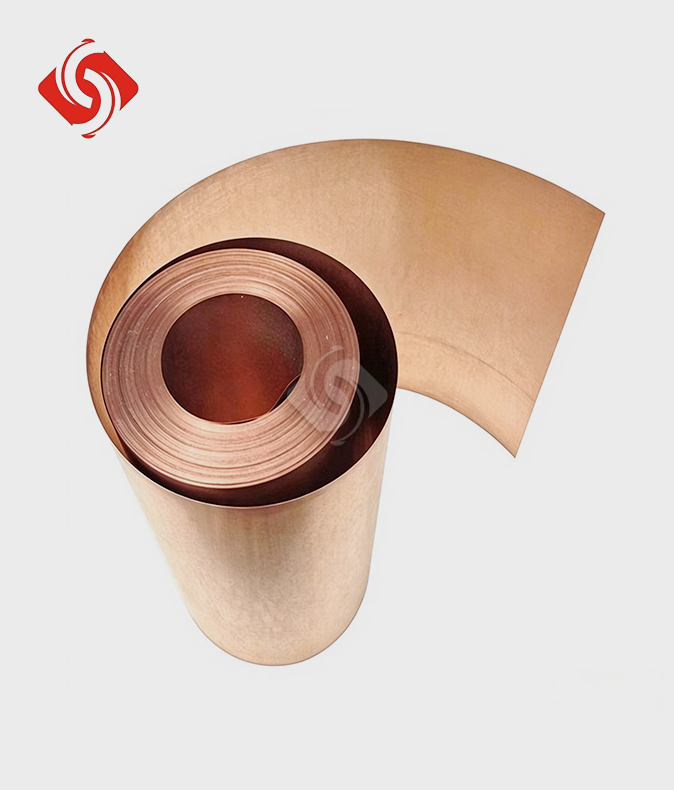
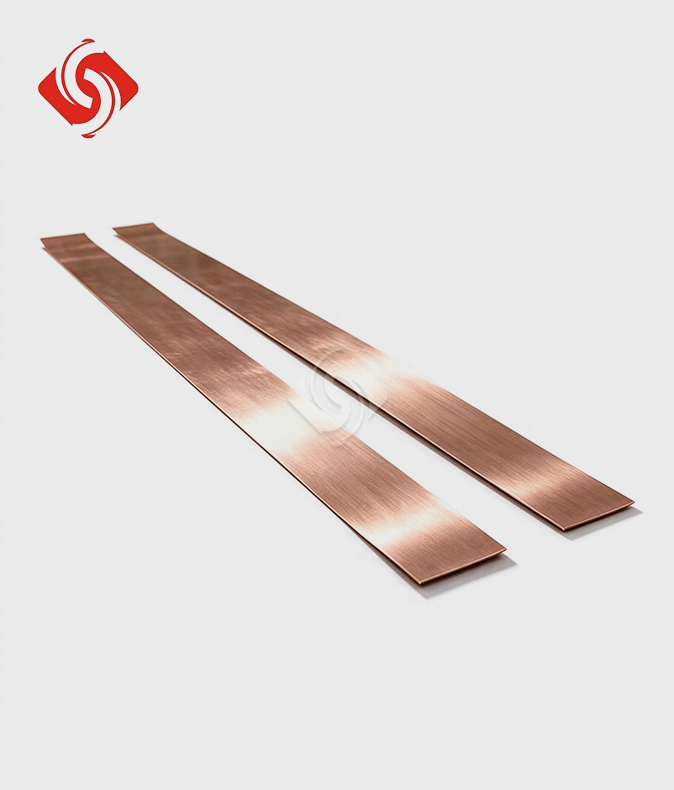
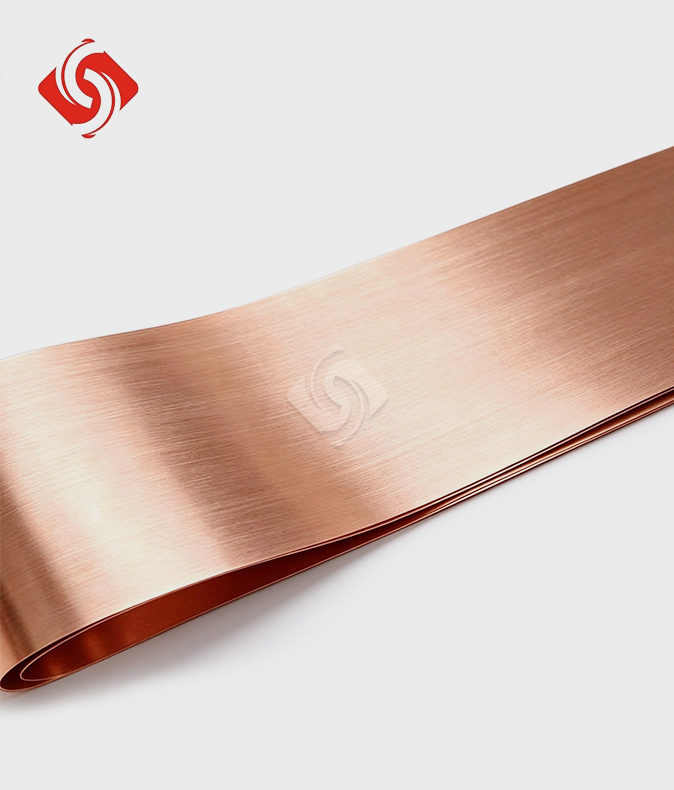
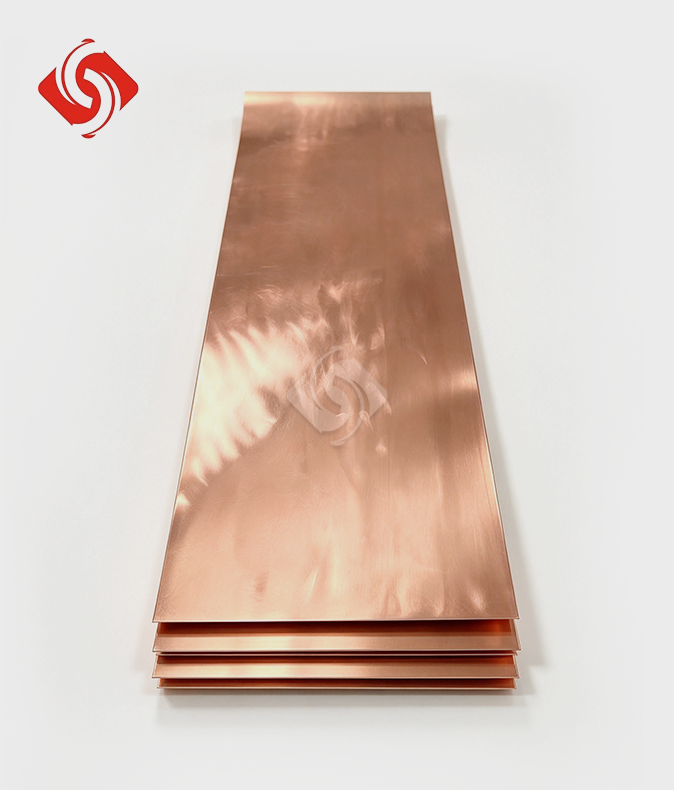
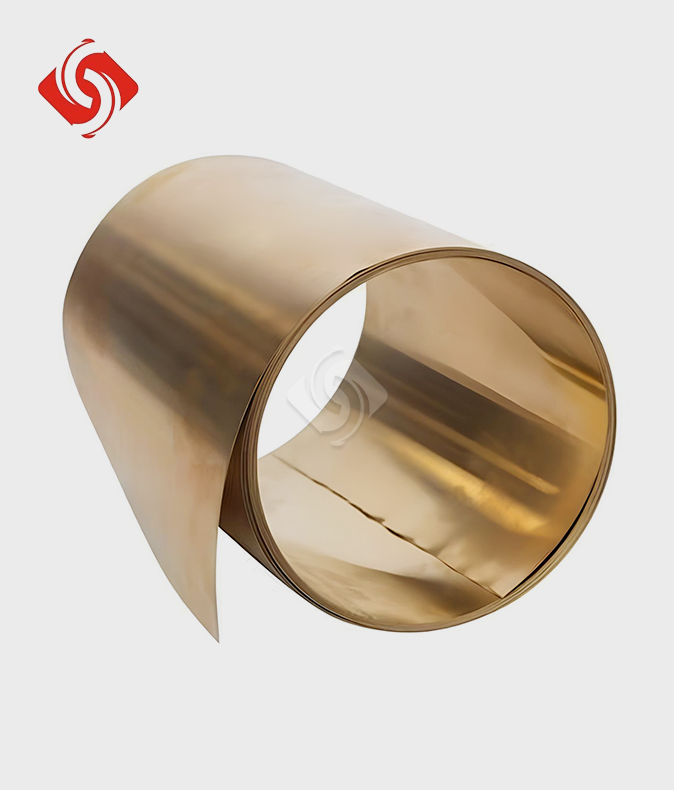
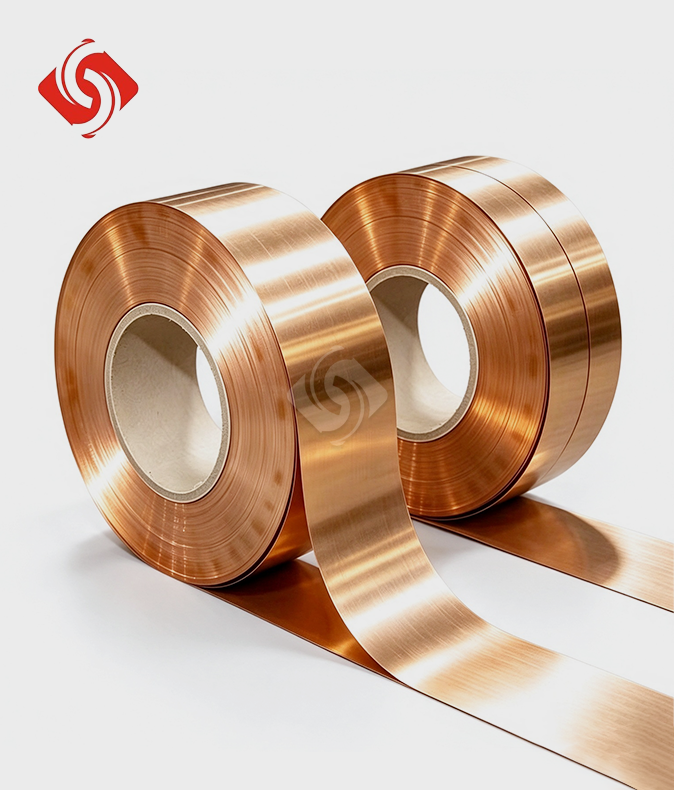
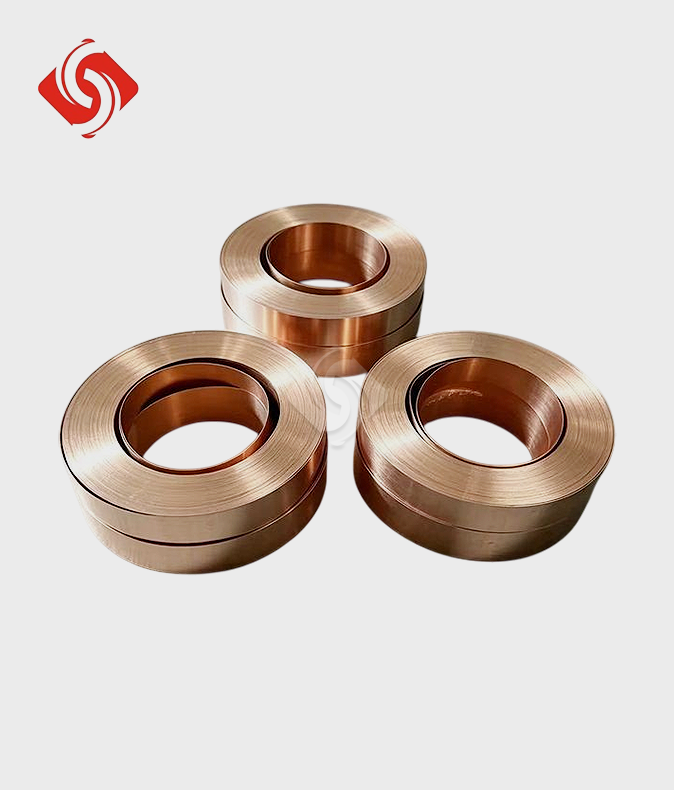
Size Range: Thickness 0.1mm - 3.0mm, Width up to 300mm, Precision Slit Coils or Cut Strips
Temper Condition: Half-Hard Cold-Rolled (TD02 / H02) - Pre-Aged Formable Temper
Core Purpose: Balanced Formability and High Ultimate Strength After Post-Fabrication Aging
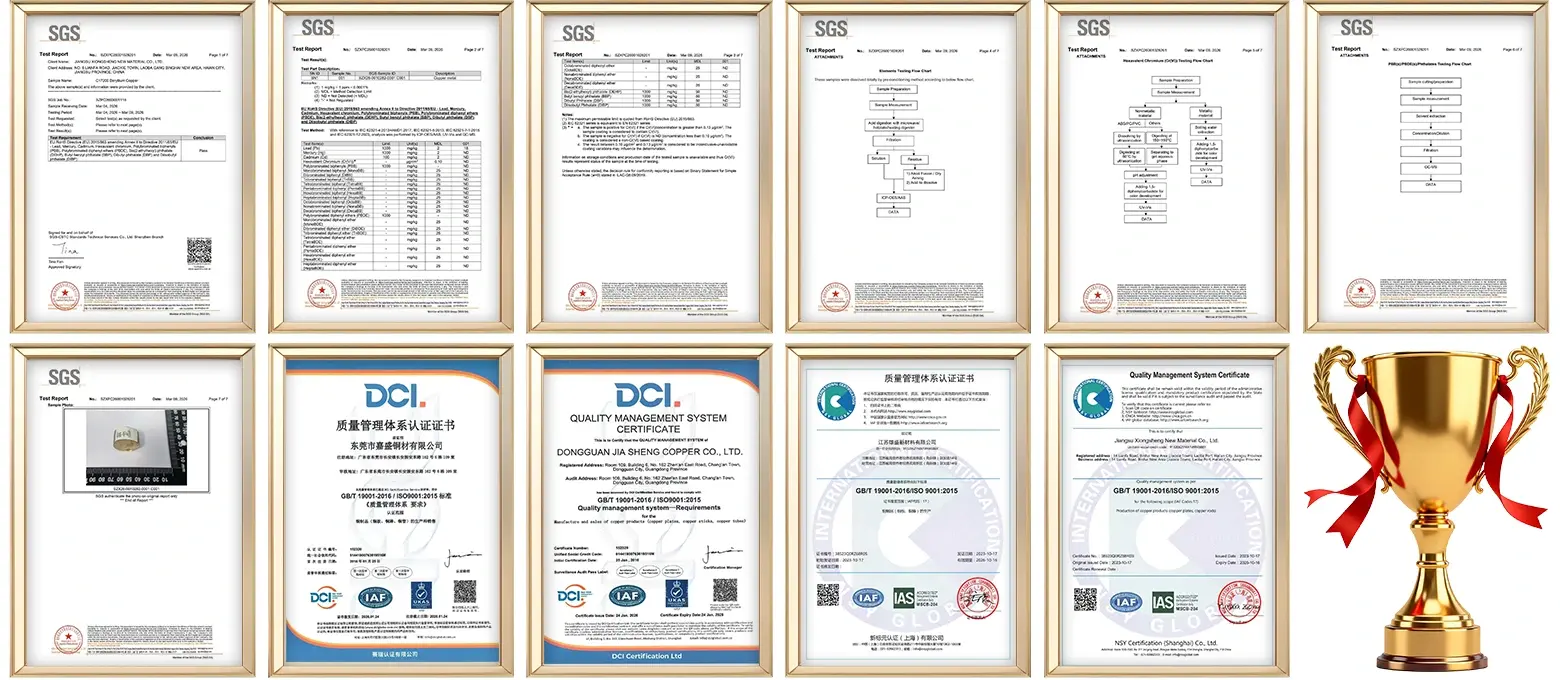
Quality Assurance: ISO9001:2015, RoHS Compliant, MTC 3.1 Certified
Description
C17200 Beryllium Copper Strip Half Hard for Electronic Springs & Connectors — High Formability with 1100+ MPa Post-Aging Strength
C17200 Beryllium Copper Strip Half Hard (UNS C17200 / Alloy 25 / CuBe2) is a precision cold-rolled copper-beryllium alloy strip provided in the H02 (TD02) temper condition. This material contains 1.80–2.00% beryllium and has a tensile strength of 750–930 MPa as-rolled, providing you with forming flexibility prior to production, and reaching 1100–1300 MPa following a normal ageing cycle at 315°C for 2–3 hours. Dongguan Jiaye Dingsheng, established in 1997 with 25+ years of beryllium copper competence, produces this strip to ASTM B194 specifications in thicknesses ranging from 0.1mm to 3.0mm, widths up to 300mm, with ISO 9001 certification and complete MTC 3.1 paperwork.
What Is C17200 Beryllium Copper Strip in Half Hard Temper?
Half Hard (H02/TD02) – a temper in which the strip has been cold-reduced to a certain level, between the annealed and the full-hard condition. This will give you adequate ductility to do intricate stamping and bending. The base strength is already greater than annealed material.
This temper addresses the traditional technical challenge in a unique way: you don’t have to pick between high-strength steel with poor conductivity or soft copper with less than adequate mechanical endurance. Once formed, a simple low temperature ageing procedure will bring the part to its maximum mechanical characteristics.
Chemical Composition
| Element | Content |
|---|---|
| Beryllium (Be) | 1.80 – 2.00% |
| Cobalt + Nickel (Co+Ni) | Min. 0.20% |
| Copper (Cu) | Balance |
The Co+Ni addition refines grain structure and improves the precipitation hardening response. This composition conforms to ASTM B194, ISO 5182, and EN CW103C.
Technical Specifications
| Parameter | As-Rolled (H02) | After Aging (315°C / 2–3 hrs) |
|---|---|---|
| Tensile Strength | 750 – 930 MPa | 1100 – 1300 MPa |
| Hardness | 24 – 30 HRC / 230 – 300 HV | 36 – 42 HRC / 350 – 420 HV |
| Electrical Conductivity | 17 – 22% IACS | 22 – 25% IACS |
| Elongation | 5 – 15% | — |
| Thickness Range | 0.1mm – 3.0mm | — |
| Width | Up to 300mm | — |
| Form | Precision slit coils or cut strips | — |
Dimensional tolerances are held to ±0.002mm using laser micrometer verification during final inspection.
Key Performance Advantages
Perhaps the biggest practical advantage of this material is its capacity to be processed in two steps. You may do all the bending, blanking and shaping work in the H02 condition - while the material is still workable - and then use ageing to set the ultimate strength. This prevents cracking during forming and lowers wear on the tooling.
The minimum bending radius in the H02 condition is generally 1-2 times the thickness of the strip, 1-2t, depending on whether the bending is in the rolling direction or transverse to it. This versatility enables narrow radius features for micro-clips, relay blades and connection terminals.
Engineers require this alloy for a number of reasons, not the least of which is its fatigue resistance. The material can also resist high frequency cyclic stress reversal, without failing - making it the material of choice for dynamic contact springs that open and shut millions of times in service.
The alloy is also non-magnetic and non-sparking, which is important in sensitive electrical situations such as avionics, precise instruments and hazardous-area switching devices.
It is resistant against corrosion, against air oxidation and tarnishing. This maintains electrical contact resistance throughout a long service life, an essential consideration for connections in car engine compartments or outdoor telecommunications equipment.
Primary Application Areas
Precision electronics: Complex spring contacts, micro-clips, EMI shielding gaskets and stamped connections for smartphones, 5G infrastructure and computer systems.
Automotive systems Relay contacts, switch blades and E ECU connection terminals with high-precision geometry and stress relaxation resistance at high temperatures in the under-hood environment.
Aerospace & Defence: High Reliability Electrical Connectors and Avionics Sensors with Contact Pressure Under Vibration and Thermal Cycling
Industrial switching: Relay blades and snap-action contact elements in which fatigue endurance and dimensional constancy are directly related to service life.

Surface & Plating Compatibility
The strip surface is inspected for oxidation, slivers, and inclusions before shipment. These defects can compromise electrical contact resistance or initiate cracks during bending.
For downstream plating processes, the strip is compatible with gold, silver, and tin plating. The surface should be chemically cleaned to remove beryllium oxides before plating or soldering to get proper adhesion and consistent contact performance.
Quality Control Process
Each manufacturing lot of C17200 Beryllium Copper Strip Half Hard is inspected using a three step process:
- Incoming: OES study validated the chemical composition Raw material batch registered for complete traceability
- In-process : Rolling temperature, reduction ratios and grain size are controlled. The microstructure study validates the grain size finer than 0.035mm to avoid the orange-peel surface fault during the forming process.
- Final: Rockwell/Vickers hardness testing, tensile testing, dimensional measurement and age-hardening response test on sample pieces to guarantee the strip will meet design strength following your post-forming heat treatment.
Each shipment is furnished with a Mill Test Certificate (MTC 3.1 / EN 10204) with chemical composition, hardness, conductivity and dimensional data. Documentation of RoHS and REACH compliance is available upon request.
Certificate
Frequently Asked Questions
Q1: What is the standard aging treatment after forming?
A1: Use a stress relief heat treatment cycle after formation. The typical precipitation hardening cycle is 315°C (600°F) in air or inert environment for 2 to 3 hours. This raises the material from the H02 as-formed condition to 36–42 HRC and tensile strength of 1100–1300 MPa.
Q2: What is the difference between Half Hard and Mill Hardened (AM)?
A2: Half Hard requires aging after formation. Mill Hardened strip is heat treated at the mill and suitable for immediate use. Half Hard allows more peak strength and improved forming flexibility. Mill Hardened is useful for simpler shapes.
Q3: Is this strip safe to handle and process?
A3: The substance is not dangerous in solid strip form. If grinding, cutting or welding, employ enough ventilation and respiratory protection to avoid inhalation of tiny beryllium-containing particles or fumes.
Q4: Is the strip available in gold or tin plating?
A4: Yes. It is fully suitable with gold, silver and tin electroplating. Prior to plating, the surface must be chemically cleaned to eliminate the beryllium oxide for good adherence.
Q5: What is the minimum bend radius under the H02 condition?
A5: Usually 1–2 times the thickness of the strip (1t–2t). The precise value depends on the bending orientation in relation to the rolling direction. Transverse bending often enables narrower radii than longitudinal.
Contact Us
Ready to source C17200 Beryllium Copper Strip Half Hard? Send your specifications to js01@jstongcai.com.cn — quotation within 24 hours, stock items ship in 3–5 days.