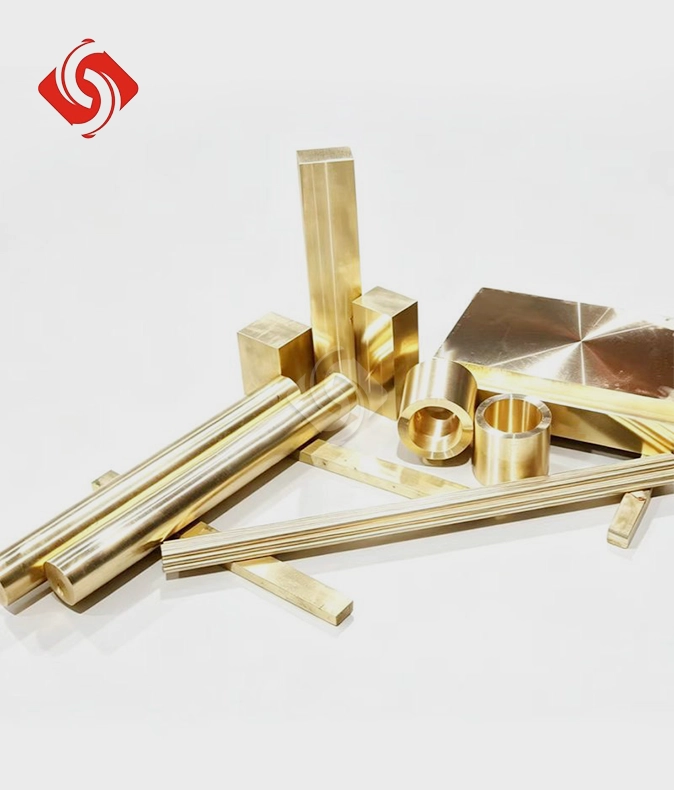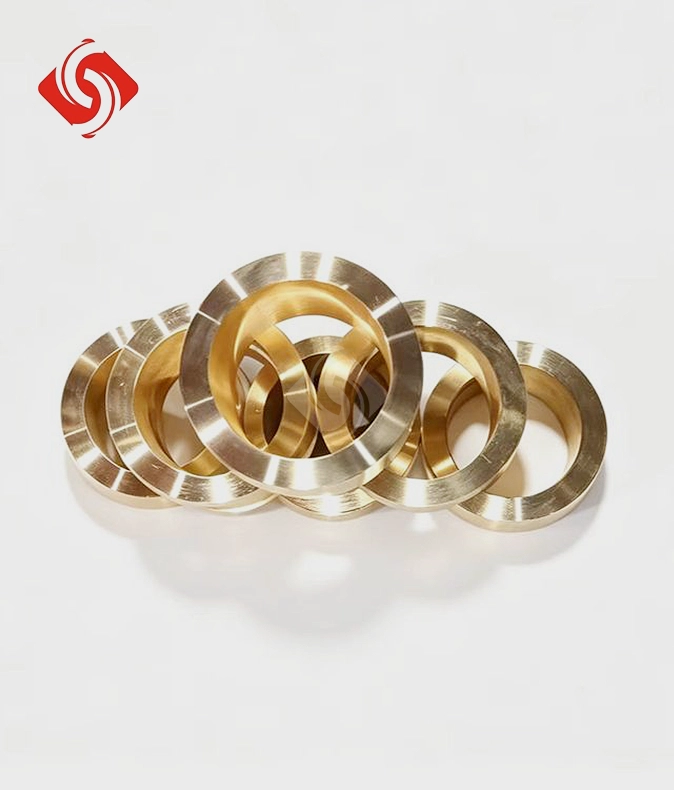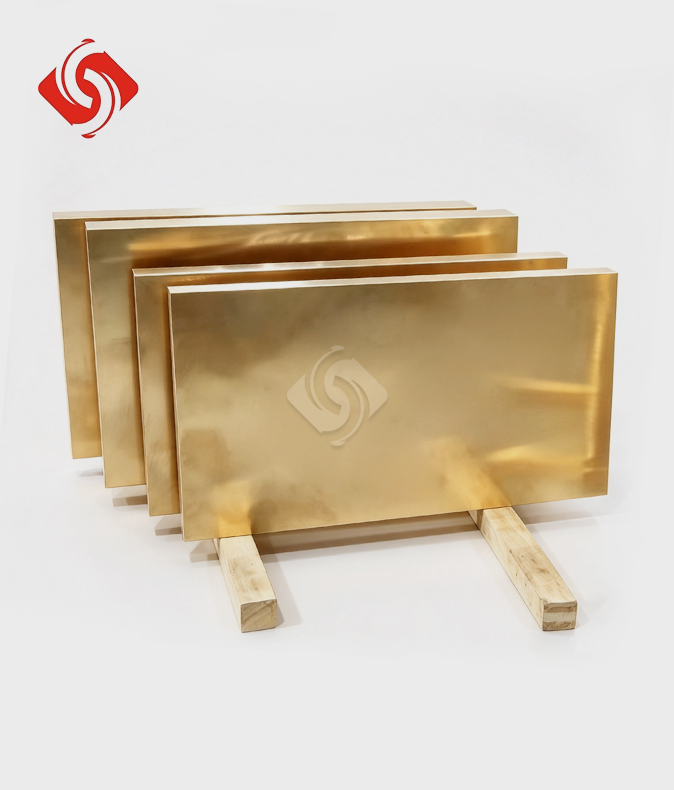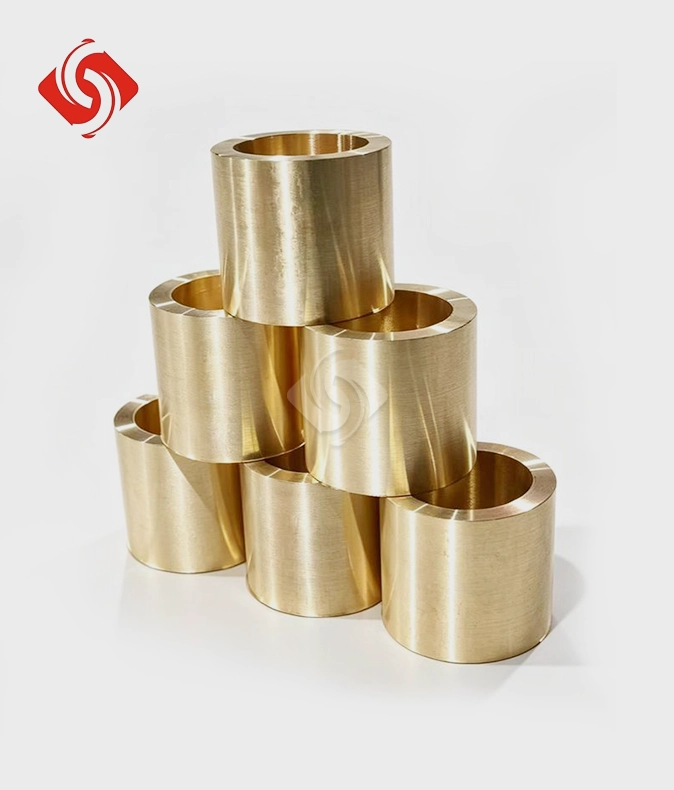
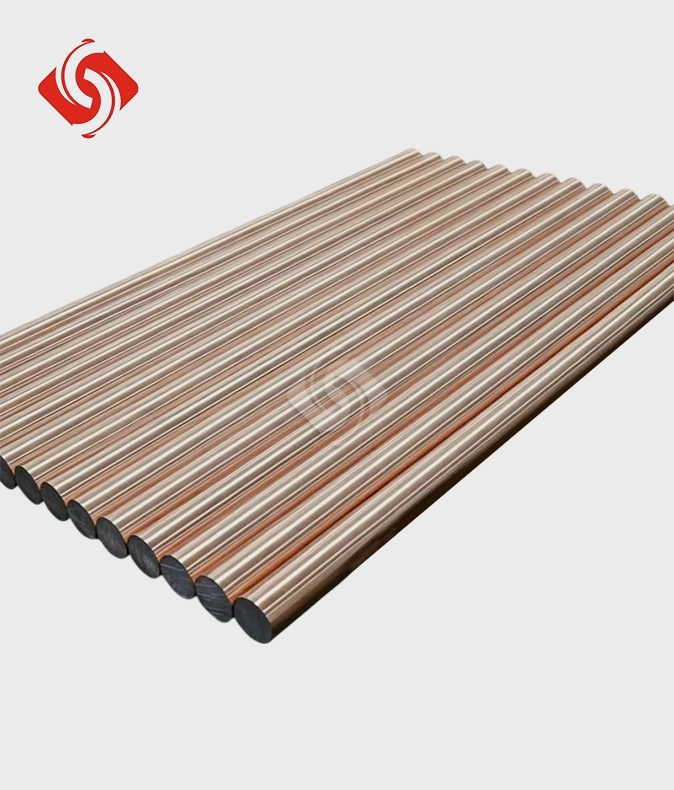
2.1247 Copper Alloy Rod
Grade Equivalents: DIN 2.1247 / CuBe2 / UNS C17200 / EN CW101C / Alloy 25 / RWMA Class 4
Application Focus: High-Load Aerospace Bearings, Downhole Logging Tool Shafts, Plastic Mold Inserts, & Non-Sparking Tools
Executive Standards: DIN 17666, EN 12163, ASTM B196, AMS 4650, SAE J463
Size Range: Diameter 2.0mm - 300mm, Length 600mm - 1000mm or Cut-to-Size Precision Rods
Temper Condition: Solution Heat-Treated (TB00 / Annealed) or Precipitation Age-Hardened (AT / TF00)
Core Purpose: Peak Tensile Strength, Superior Wear Resistance, Outstanding Anti-Galling, and Zero-Spark Safety
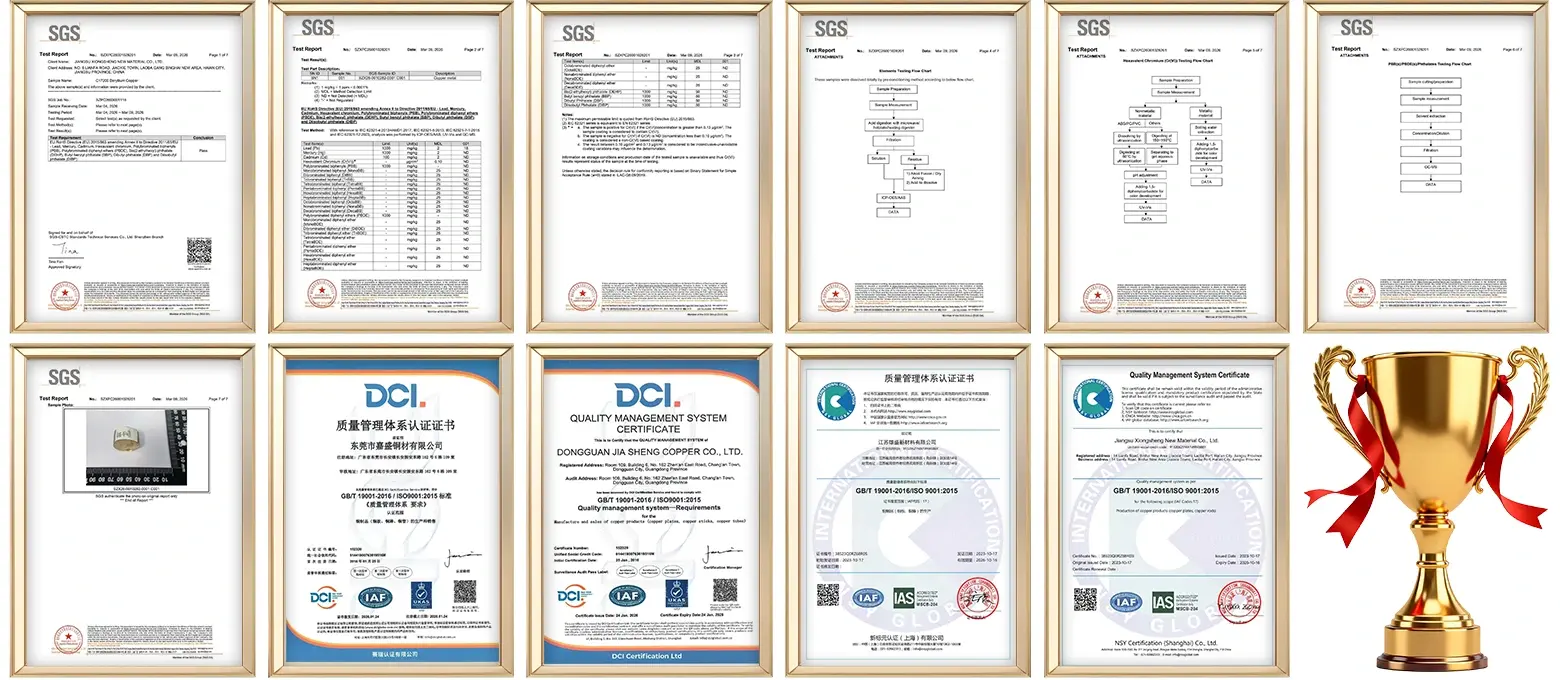
Quality Assurance: ISO9001:2015, AS9100 Aerospace Certified, RoHS Compliant, EN 10204 3.1 Mill Certified
Description
2.1247 Copper Alloy Rod – High-Strength CuBe2 Beryllium Copper Bar for Aerospace, Oil & Gas, and Precision Engineering
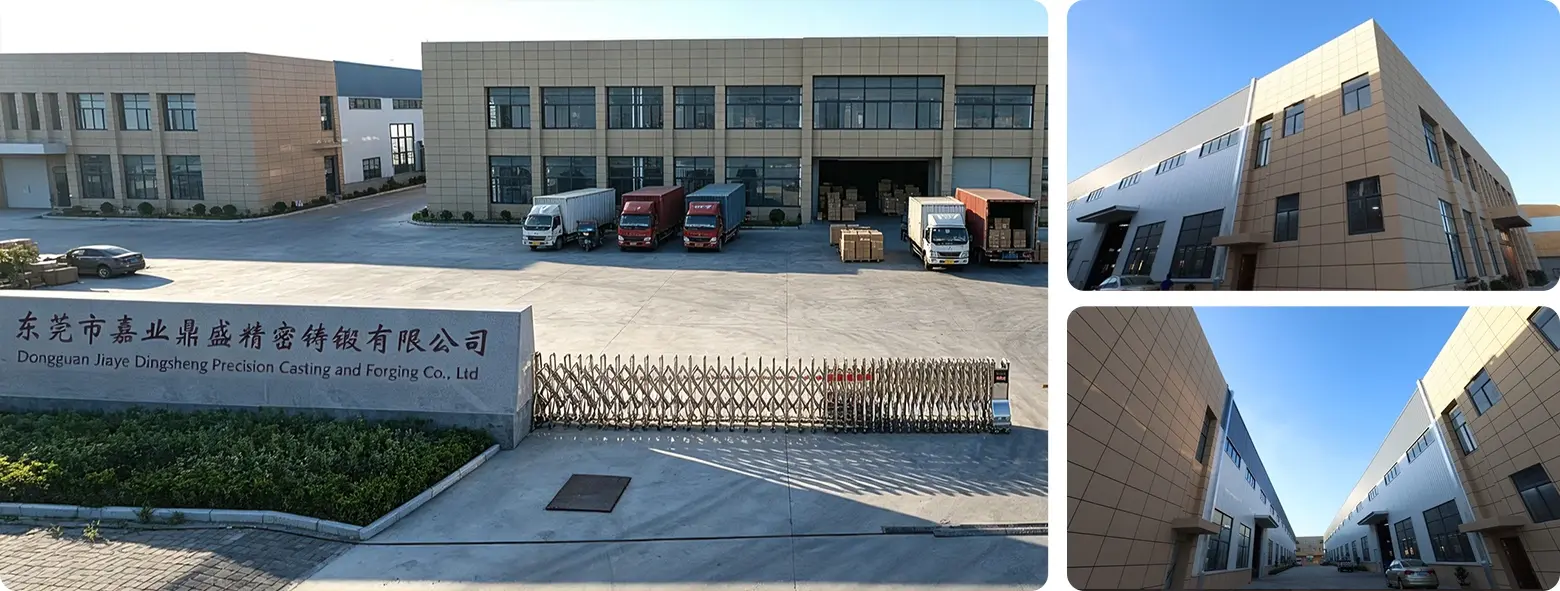
Dongguan Jiaye Dingsheng Precision Casting & Forging Co., Ltd. supplies 2.1247 copper alloy rod (DIN CuBe2 / UNS C17200) with diameters ranging from Ø2.0mm to Ø300mm, available in solution-annealed (TB00) and age-hardened (AT/TF00) states. After precipitation hardening, the product features tensile strength up to 1480 MPa and hardness up to 45 HRC / 430 HV, leading among commercial copper alloys. Its thermal conductivity is 105 to 130 W/m·K, four times higher than tool steel. All products comply with ISO 9001 and AS9100 quality standards and come with EN 10204 3.1 Mill Test Certificate.
What Is 2.1247 Copper Alloy Rod?
Standardized under DIN 17666, ASTM B196, EN 12163, AMS 4650 and SAE J463, 2.1247 copper alloy rod is chemically defined as CuBe2. It contains 1.80–2.00% beryllium and a minimum of 0.20% Co+Ni to stabilize grain growth during precipitation hardening, with high-purity copper as the base material.
The alloy balances mechanical properties close to high-alloy steels and the inherent thermal and electrical conductivity of copper materials. It solves practical engineering problems including fatigue failure, galling damage and ignition risk for integrated material selection.
Technical Specifications
| Parameter | Value |
|---|---|
| Grade / Designation | DIN 2.1247 / CuBe2 / C17200 / CW101C / Alloy 25 |
| Executive Standards | DIN 17666, EN 12163, ASTM B196, AMS 4650, SAE J463 |
| Beryllium Content | 1.80 – 2.00% |
| Co + Ni (min) | 0.20% |
| Co + Ni + Fe (max) | 0.60% |
| Copper | Balance |
| Diameter Range | Ø 2.0 mm – Ø 300 mm |
| Length | 600 mm – 1000 mm, or cut-to-size |
| Temper Condition | TB00 (Annealed) / AT / TF00 (Age-Hardened) |
| Tensile Strength (AT) | 1280 – 1480 MPa |
| Yield Strength | 965 – 1205 MPa |
| Hardness (AT) | 38 – 45 HRC / 350 – 430 HV |
| Electrical Conductivity | 22 – 28% IACS |
| Thermal Conductivity | 105 – 130 W/m·K |
| Density | 8.25 g/cm³ |
| Melting Range | 870 – 980°C |
| Magnetic Permeability | < 1.001 (Non-Magnetic) |
| Dimensional Tolerance | Cold Drawn h9/h10; Centerless Ground h7/h8 |
Key Performance Advantages
Highest strength in its class. After thermal precipitation hardening at 315–325°C for 2–3 hours, tensile strength reaches up to 1480 MPa — performance that rivals high-strength alloy steels, from a copper-based material.
Wear and anti-galling resistance. The aged microstructure resists scuffing, fretting, and galling against mating steel surfaces. This makes it the standard choice for heavy-duty bushings, sleeves, and bearing races under shock loading.
Rapid heat dissipation. Thermal conductivity of 105–130 W/m·K removes heat quickly from friction zones and plastic injection mold cores. This directly reduces mold cycle times and thermal fatigue cracking.
Non-sparking and explosion-proof. The alloy is inherently spark-resistant under mechanical friction and impact. It meets the safety requirements for tools and valve stems used in flammable gas and explosive atmosphere environments.
Fully non-magnetic. With a magnetic permeability below 1.001, the material produces zero magnetic interference. It is specified for directional drilling instruments, MRI-compatible components, and aerospace navigation sensors.
Corrosion resistance in aggressive media. The alloy performs in seawater, hydraulic fluids, and sour gas (H₂S) downhole environments where standard bronze or brass fails prematurely.
Machinability in solution condition. In the annealed TB00 state, the rod machines cleanly on Swiss CNC turning, milling, and threading equipment. Age hardening is completed after machining, preserving tight dimensional tolerances.
Application Scenarios
Aerospace & Defense: flight control bearings, landing gear bushings
Oil and gas: non-sparking tools, MWD collars, and downhole tool shafts
Plastic Injection Molds: Core pins and high-hardness mold inserts for quick heat dissipation
Automotive and precision electronics: switchgear parts, sensor diaphragms, and relay contacts

Quality Control Process
Before being delivered, every batch is thoroughly inspected. Beryllium concentration is exactly confirmed by OES chemical analysis. Standard standards are met via tensile and hardness tests. Surface quality and interior structure are examined using eddy current and ultrasonic testing. Tolerance compliance is guarantyd by dimensional inspection. Complete traceable test certifications are provided to every shipment.

Supply & Customization
Standard sizes (600–1000mm, Ø2.0mm–Ø300mm) are available for delivery in three to five days. We provide unique cutting, different tolerance and temper options, and customizable hardness and conductivity via targeted heat treatment. Within a day, quotes will be sent.
Frequently Asked Questions
Q1: Is 2.1247 Copper Alloy Rod machinable?
A1: Yes. Solid rods are safe for handling and machining. Wear professional PPE and ensure local ventilation to avoid inhaling beryllium dust and fumes during processing.
Q2: What is the difference between 2.1247 and C17200?
A2: They refer to the same alloy. 2.1247 is the DIN standard designation, while C17200 is the UNS designation, with consistent composition and performance standards.
Q3: Can the alloy be welded?
A3: Resistance welding and TIG/MIG welding are feasible. The heat-affected zone will lose hardness, and re-aging treatment is required after welding to restore mechanical properties.
Q4: What is the standard aging temperature?
A4: Precipitation hardening is conducted at 315–325°C for 2–3 hours to obtain optimal strength and hardness.
Q5: Why is non-magnetic property important for oil and gas use?
A5: Its magnetic permeability below 1.001 causes no distortion to MWD directional drilling sensor data, ensuring detection accuracy in subsea operations.
Contact Us
Send your size specifications and custom drawings to js01@jstongcai.com.cn, and we will provide a detailed quotation within 24 hours. We support customized processing and full-size supply of2.1247 copper alloy rod to meet your precision engineering and industrial application needs.
Online Message