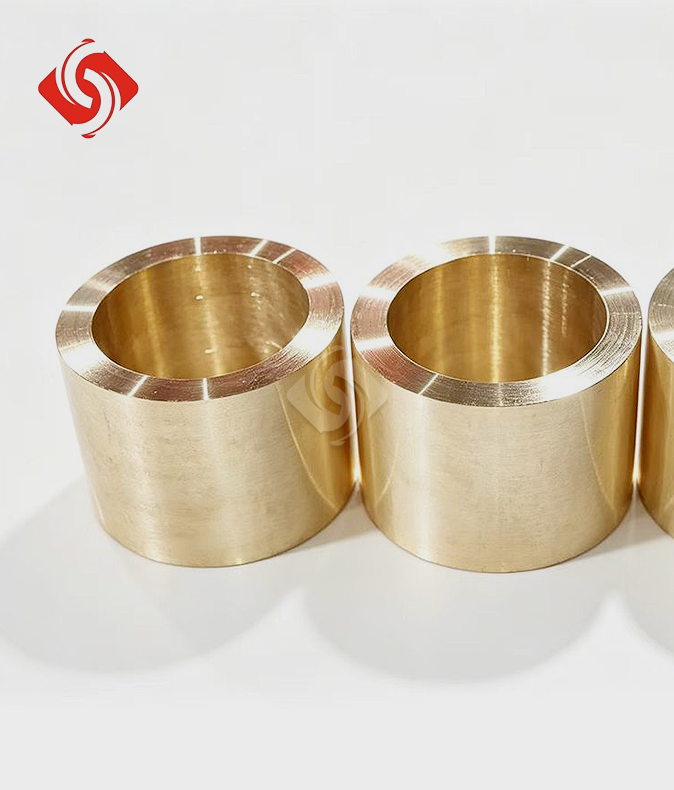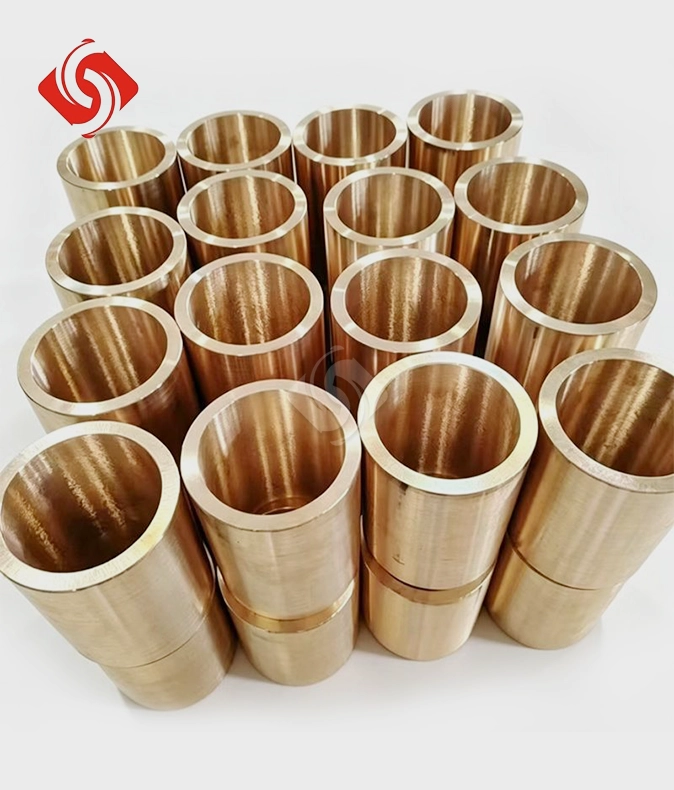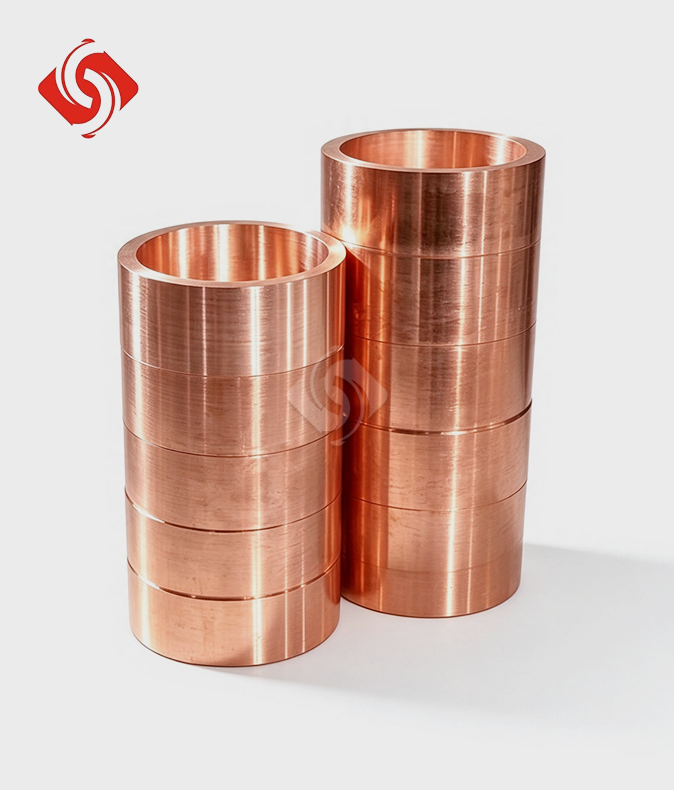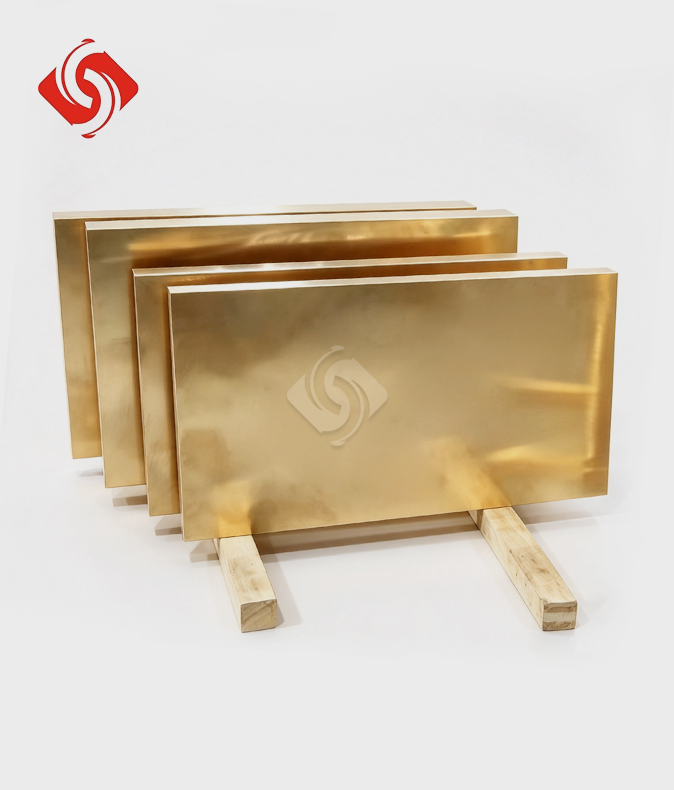
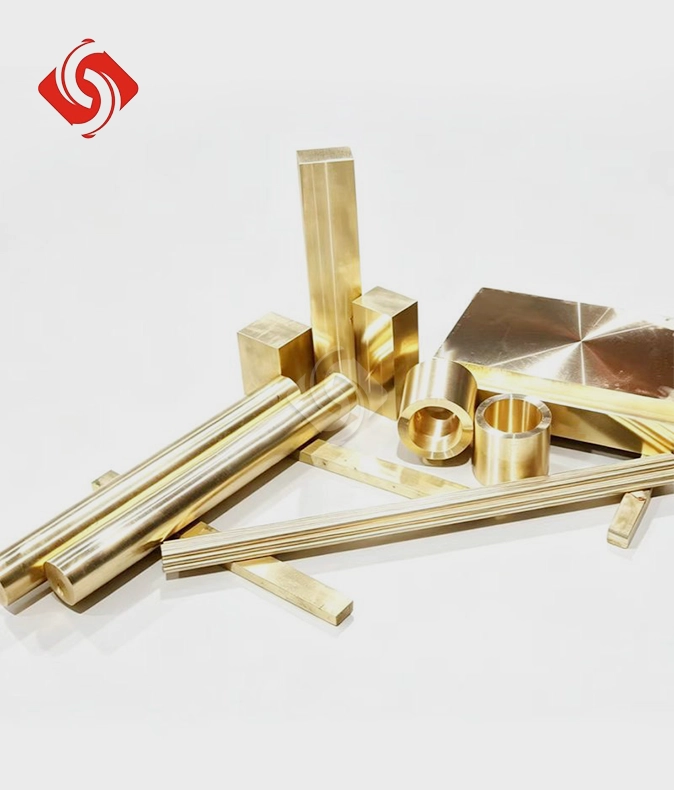
Beryllium Copper Cnc Machining
Grade Scope: UNS C17200 (CuBe2), UNS C17300 (Leaded BeCu), UNS C17500 (CuCo2Be), UNS C17510 (CuNi2Be)
Application Focus: Aerospace Landing Gear Pivots, Downhole Valve Components, Injection Mold Core Inserts, & RF Connectors
Executive Standards: ASTM B196, AMS 4650, SAE J463, ISO 5182
Manufacturing Capabilities: Multi-Axis CNC Swiss Turning, 5-Axis CNC Milling, Wire EDM, Precision Honing, & Cylindrical Grinding
Temper Condition: Solution Heat-Treated (TB00) and Precipitation Hardened (AT / TF00) to Custom Tolerances
Core Purpose: High Precision Geometric Tolerances, Outstanding Anti-Galling Performance, and Rapid Thermal Management
Quality Assurance: ISO9001:2015, AS9100 Aerospace Quality Certified, RoHS Compliant, MTC 3.1 Certified
Description
Beryllium Copper CNC Machining Components | Precision Aerospace & Industrial Parts | Sub-Micron Tolerances
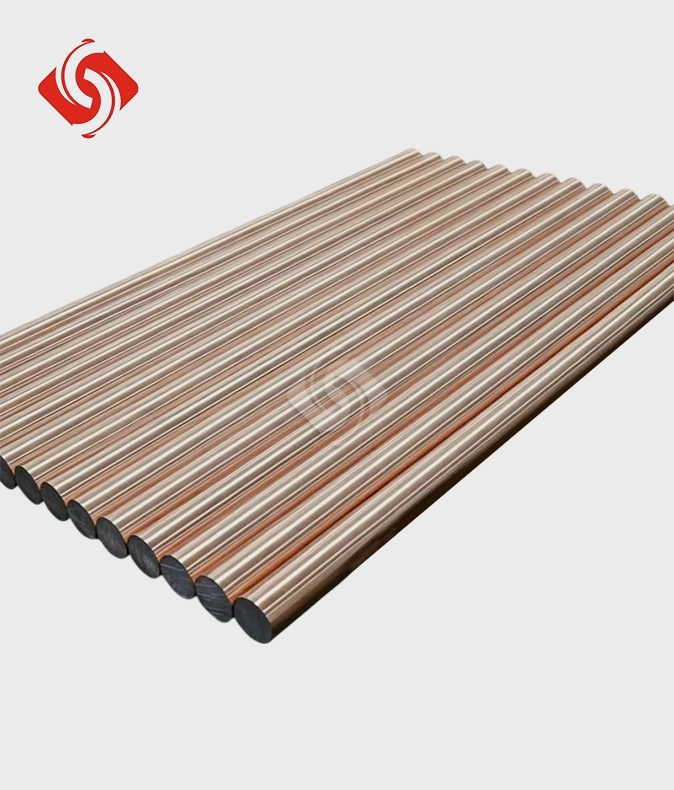
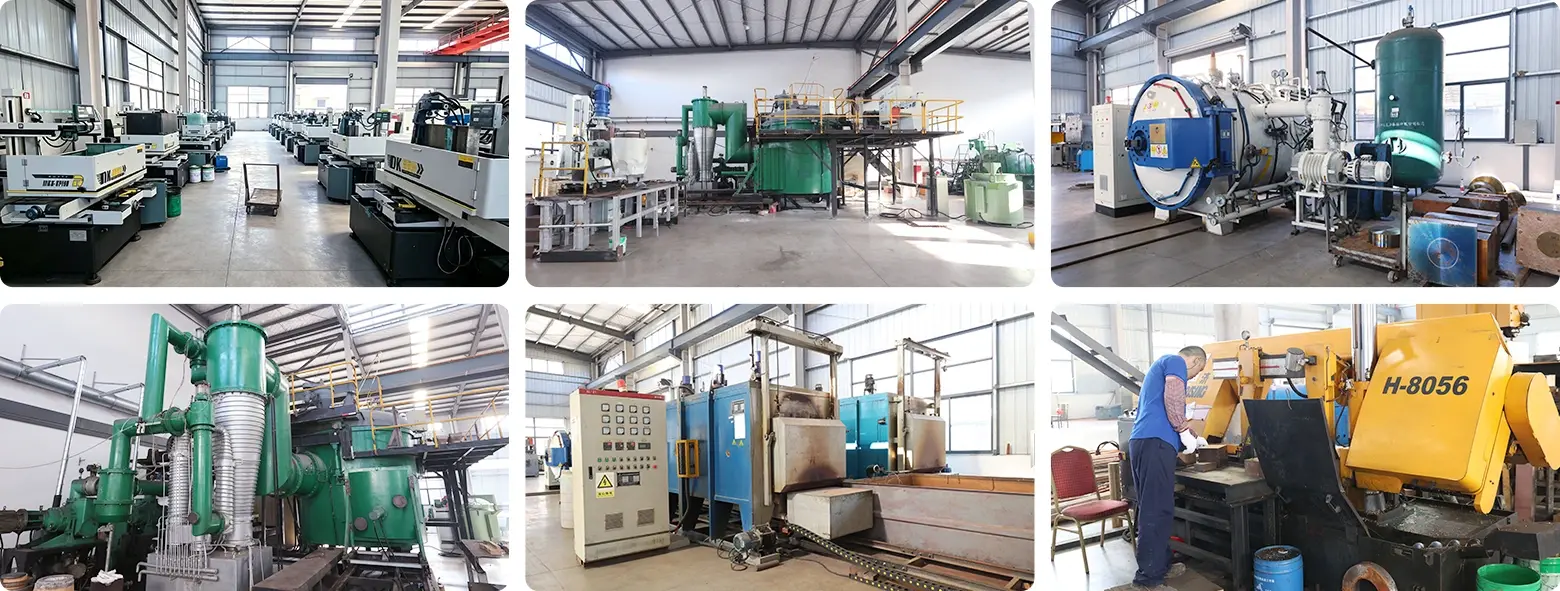
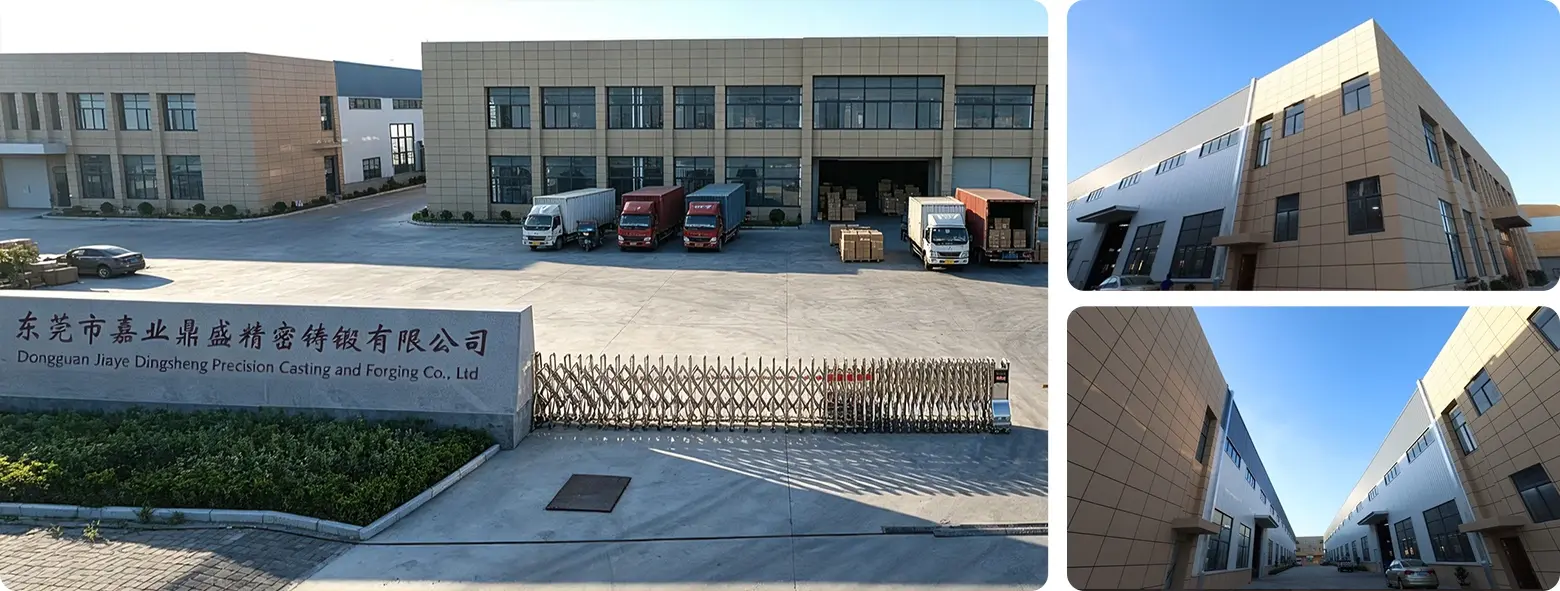
For BeCu alloys like C17200, C17300, C17500, and C17510, beryllium copper CNC machining is a subtractive method that creates intricate parts with precise tolerances. Jiaye Dingsheng, which was established in 1997 and has over 25 years of experience with copper alloys, uses multi-axis CNC Swiss turning, 5-axis milling, wire EDM, precision honing, and cylindrical grinding to process beryllium copper to ±0.002mm. Every shipment comes with an EN 10204 3.1 Mill Test Certificate, and production complies with ISO 9001:2015 and AS9100.
What Is Beryllium Copper CNC Machining?
The hardness of standard copper alloys is insufficient. Conductivity, non-sparking safety, and non-magnetic performance are not possible with high-strength steels. These gaps are filled using Beryllium Copper CNC Machining.
BeCu alloys have a heat conductivity of 105–245 W/m·K, which is three to five times greater than tool steel, and a tensile strength of up to 1400 MPa, which is similar to many alloy steels. Parts can attain up to 44 HRC for C17200/C17300 or 102 HRB for C17500 after precipitation hardening at around 315°C.
Applications requiring heat dissipation, service life, and safety in hazardous situations can all benefit from this combination.
Material Grades & Chemical Composition
Four primary grades are available for precision machining, each suited to different performance requirements:
| Grade | Beryllium (Be%) | Other Elements | Key Characteristic |
|---|---|---|---|
| C17200 (CuBe2) | 1.8 – 2.0% | Cu Bal. | Highest strength, aerospace standard |
| C17300 (Leaded BeCu) | 1.8 – 2.0% | Pb 0.2–0.6%, Cu Bal. | Free-machining, faster CNC cutting |
| C17500 (CuCo2Be) | 0.40 – 0.70% | Co 2.40–2.70%, Cu Bal. | High conductivity for mold inserts |
| C17510 (CuNi2Be) | — | Ni added, Cu Bal. | High conductivity + good strength |
C17300's lead content improves chip breaking and reduces tool wear significantly during intricate turning operations — without sacrificing mechanical strength.
Full Technical Specifications
| Parameter | C17200 / C17300 | C17500 |
|---|---|---|
| Tensile Strength (Aged AT) | 1170 – 1400 MPa | 680 – 850 MPa |
| Yield Strength | 980 – 1200 MPa | — |
| Hardness (Aged AT) | 38 – 44 HRC | 95 – 102 HRB |
| Thermal Conductivity | 105 – 130 W/m·K | 200 – 245 W/m·K |
| Machining Tolerance | ±0.002 mm | ±0.002 mm |
| Surface Finish (Ra) | 0.2 – 0.4 µm | 0.2 – 0.4 µm |
| Elastic Modulus | 130 GPa | — |
| Magnetic Permeability | < 1.001 (non-magnetic) | < 1.001 |
| Executive Standards | ASTM B196, AMS 4650, SAE J463, ISO 5182 | ASTM B196 |
| Temper Conditions | TB00 (Solution), AT / TF00 (Aged) | TB00 / TF00 |
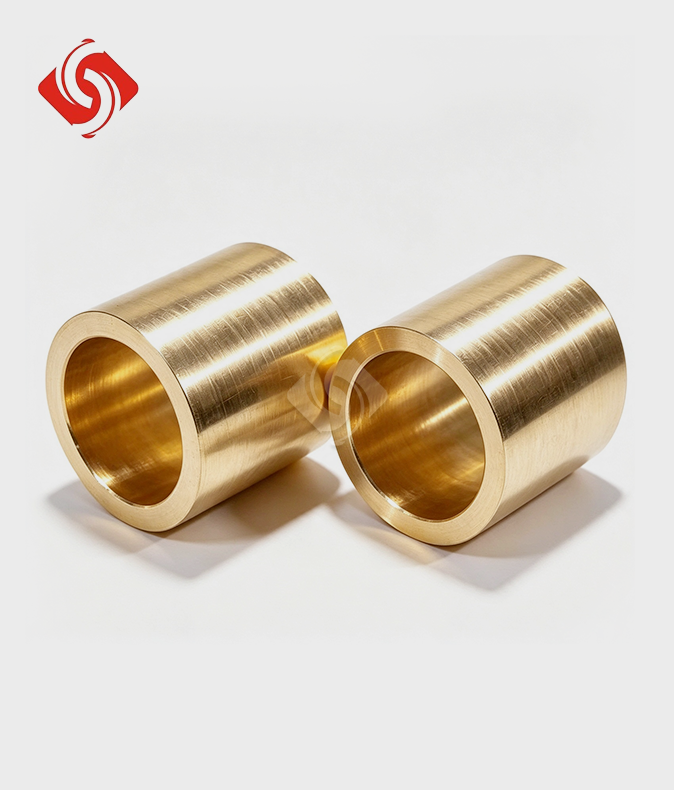
Internal bores and external shaft journals are ground or honed to Ra 0.2–0.4 µm, meeting sealing surface requirements for aerospace and downhole assemblies.
Application Sectors
Defense & Aerospace
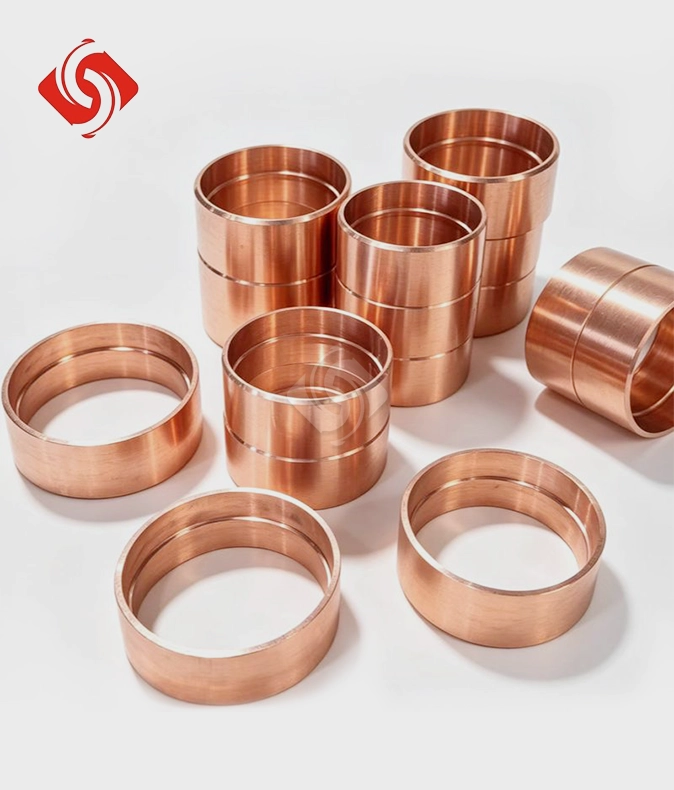
avionics housings, actuator pivots, and landing gear bushings. Accept structural loads in the absence of magnetic interference.
Downhole Tools for Oil and Gas
MWD housings and directional drilling valve components. For corrosive, high-pressure H2S settings where sparking needs to be avoided.
Injection Molding of Plastic
Cavity inserts and core pins from C17500. Compared to tool steel, thermal conductivity is three to five times greater, reducing cooling cycles and preventing local overheating.
RF and Accurate Electronics
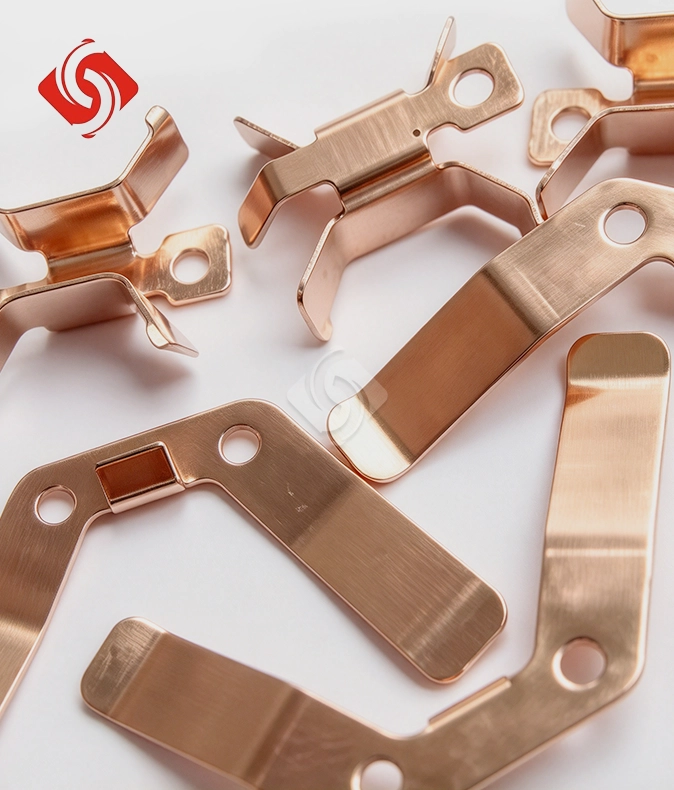
Switch parts, connection pins, and spring contacts. Casting or stamping alone cannot produce high fatigue strength and low contact resistance.
Quality Control Process
Every machined component goes through five-stage inspection:
- CMM Geometric Verification — GD&T measurement of complex profiles and bores
- Surface Roughness Testing — Confirmed at Ra 0.2–0.4 µm for sealing and bearing surfaces
- Eddy Current Conductivity Testing — Ensures alloy is not over-aged during heat treatment
- Rockwell Hardness Testing — Confirms effective precipitation hardening (38–44 HRC for C17200)
- OES Chemical Composition Analysis — Verifies Be%, Co%, Pb%, and Cu balance against ASTM B196
All BeCu machining particles and residual oxides are totally removed after machining. EN 10204 3.1 Mill Test Certificates, which provide comprehensive chemical, hardness, and conductivity data, are included with every shipment.
Frequently Asked Questions
Q1: Is it dangerous to handle CNC machining of beryllium copper?
A1: It is safe to work with solid BeCu components. Beryllium dust and fumes are produced during machining, requiring wet machining, hoover extraction and respiratory protection for the operator.
Q2: Why is the cost of BeCu machining higher than that of brass?
A2: Raw ingredients for BeCu are more expensive. Carbide or diamond-coated tools, controlled feed rates, and specific heat treatment all raise unit prices.
Q3: Is age-hardening possible after CNC machining?
A3: Yes. Parts are machined in TB00 solution-annealed or half-hard condition, then precipitation hardened at around 315°C to reach target hardness before final inspection.
Q4: How does BeCu compare with phosphor bronze for connector springs?
A4: BeCu has higher fatigue strength and longer cycle life, suited for miniaturized high-frequency connector applications, despite higher material cost.
Q5: What surface finish works best for BeCu RF connector contacts?
A5: Electrolytic nickel undercoat plus gold plating. It stops base material oxidation and lowers contact resistance.
Contact Us
Send your drawings or technical specifications for Beryllium Copper CNC Machining to js01@jstongcai.com.cn. Our team will issue a detailed quotation within 24 hours.