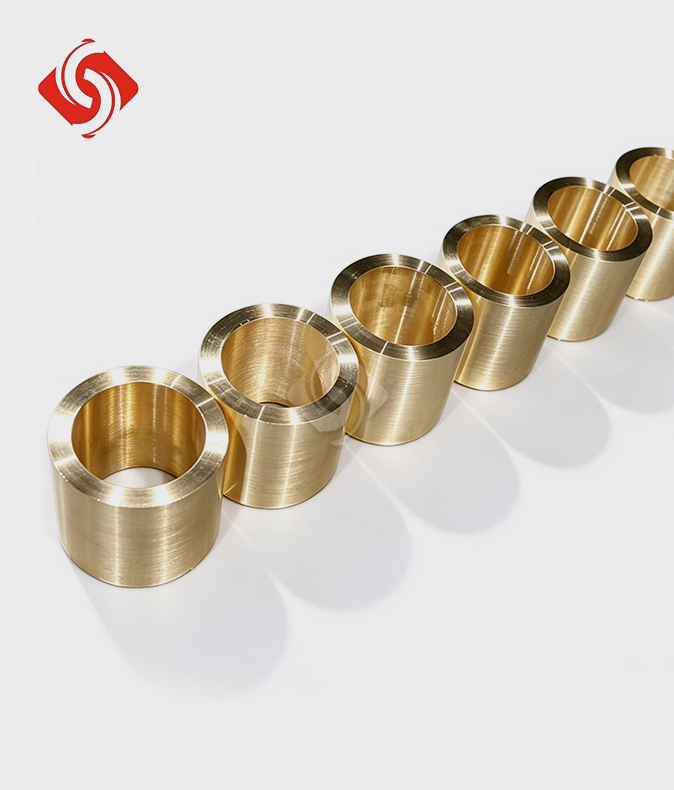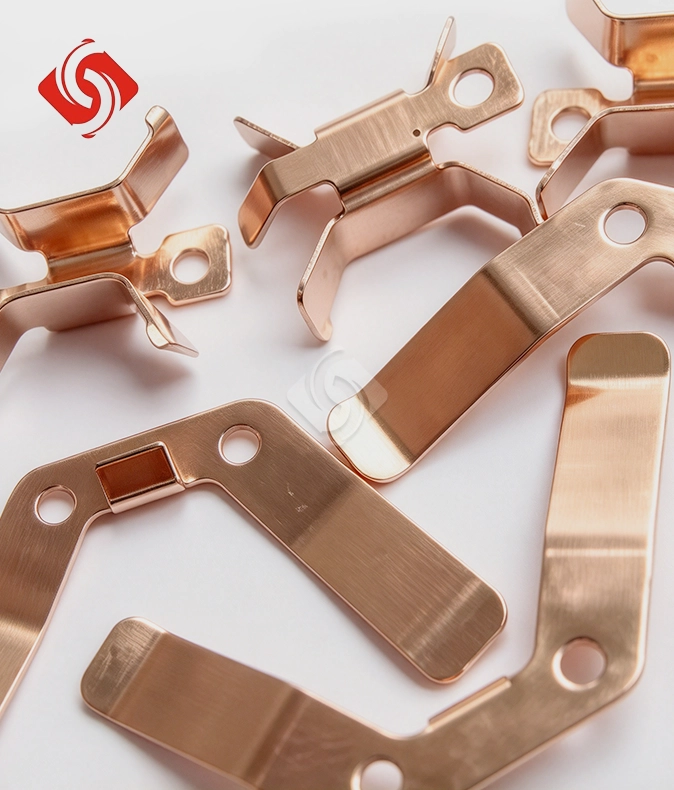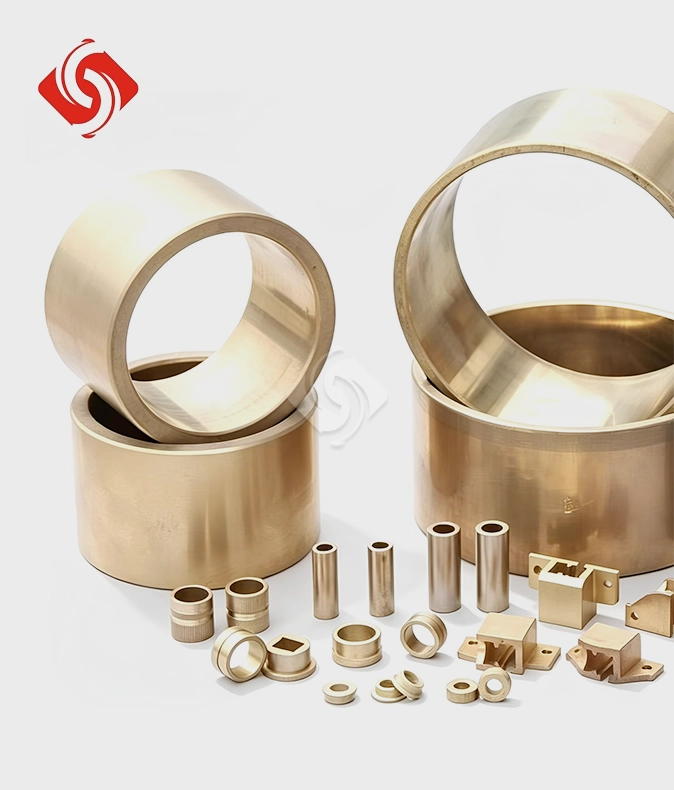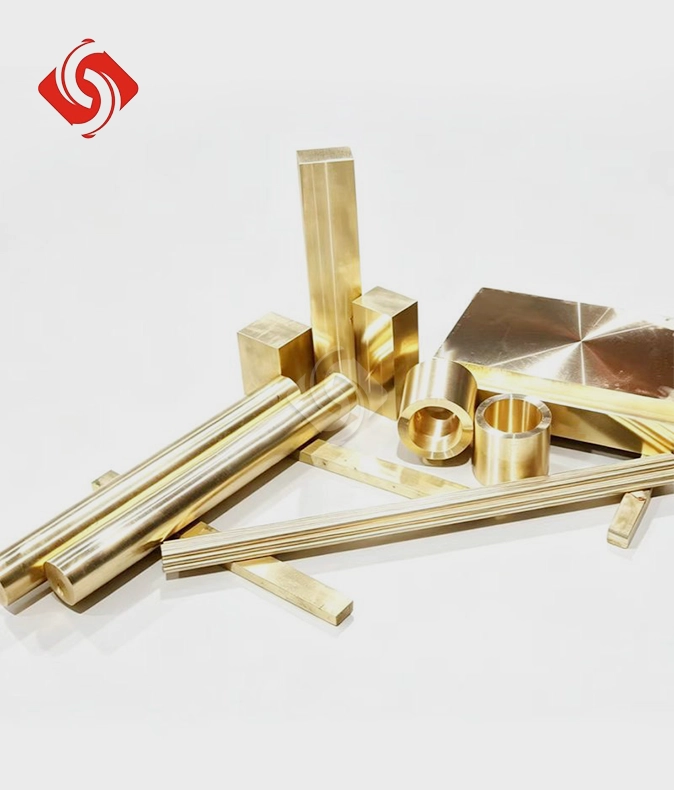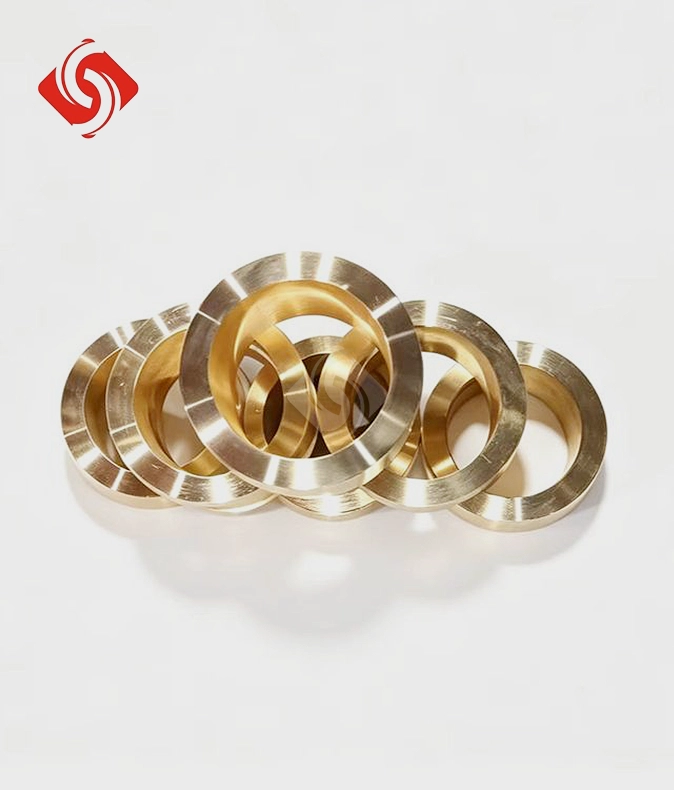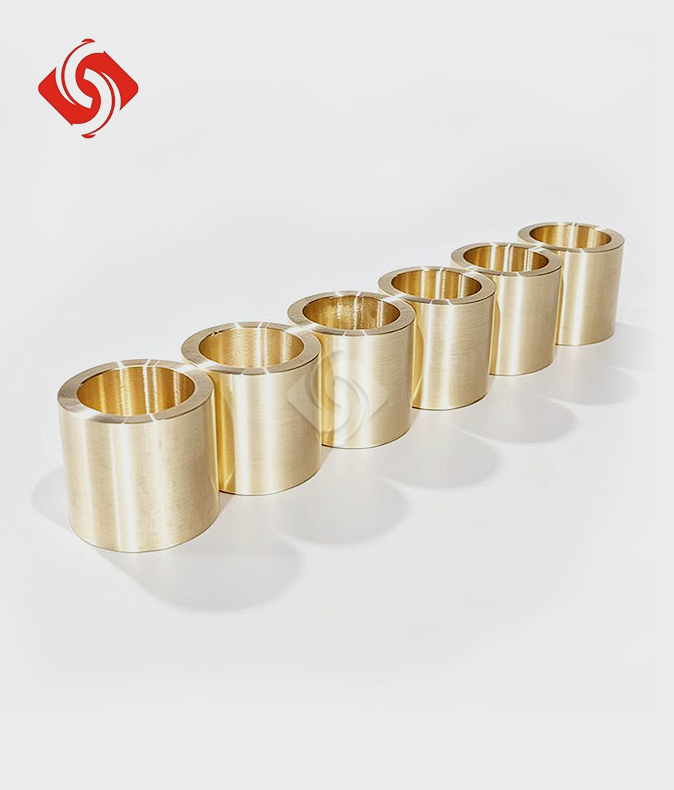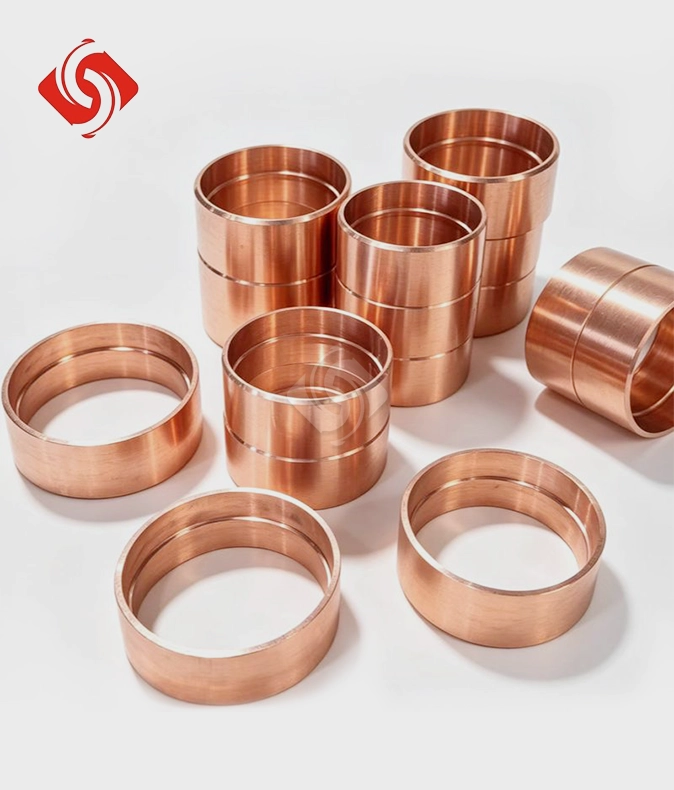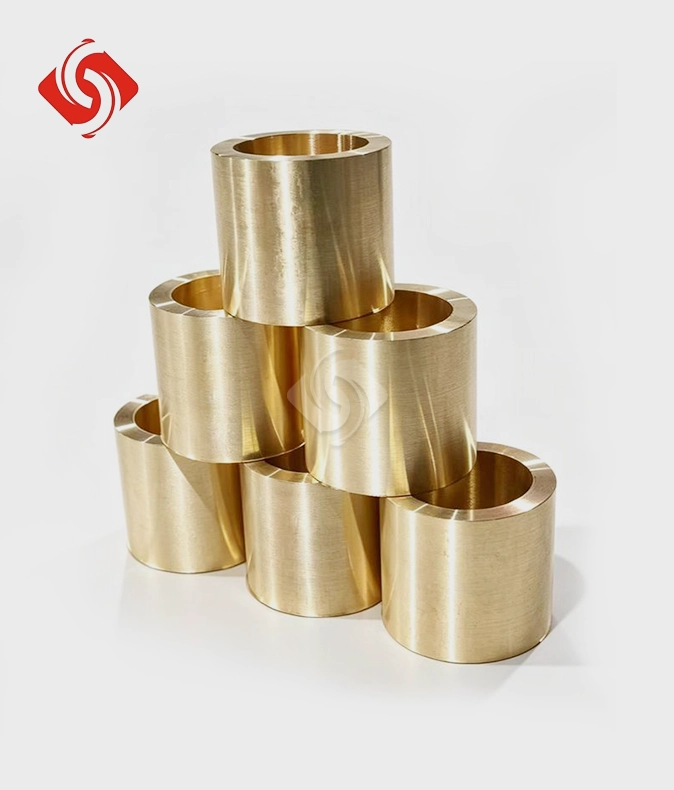
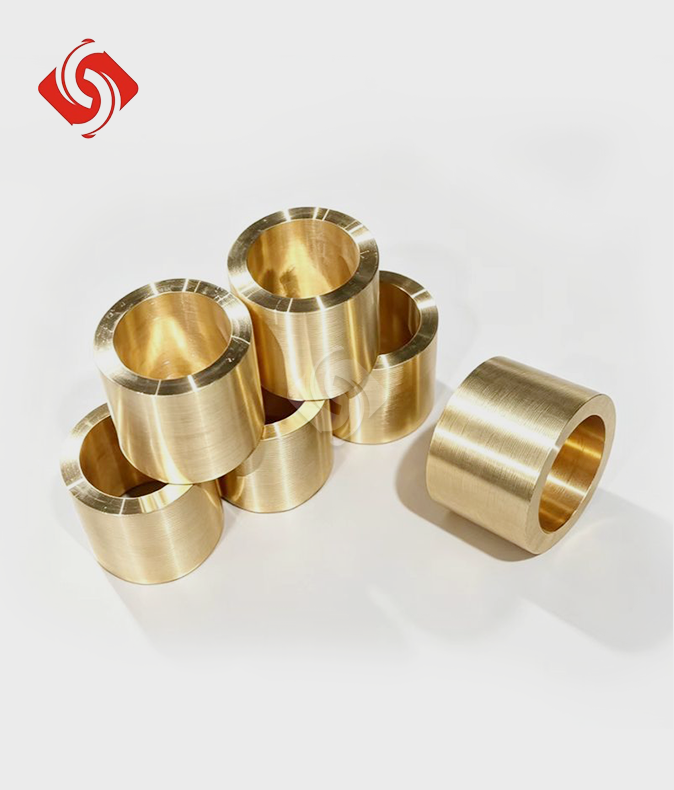
C17200 Beryllium Copper Bushing
Grade Equivalents: UNS C17200 / CuBe2 / Alloy 25 / RWMA Class 4 / EN CW101C / DIN 2.1247
Application Focus: Aircraft Landing Gear Bushings, Downhole Drilling Tools, Hydraulic Pump Bearings, & Anti-Galling Wear Sleeves
Executive Standards: ASTM B196, AMS 4650, SAE J463, ISO 5182
Size Range: Outer Diameter 10mm - 500mm, Wall Thickness 2mm - 50mm, Precision CNC Machined to Drawing Specifications
Temper Condition: Solution Heat-Treated (TB00/A) and Precipitation Hardened (AT / TF00)
Core Purpose: Extreme Load Capacity, Outstanding Galling Resistance, Zero-Spark Safety, and Superior Wear Resistance
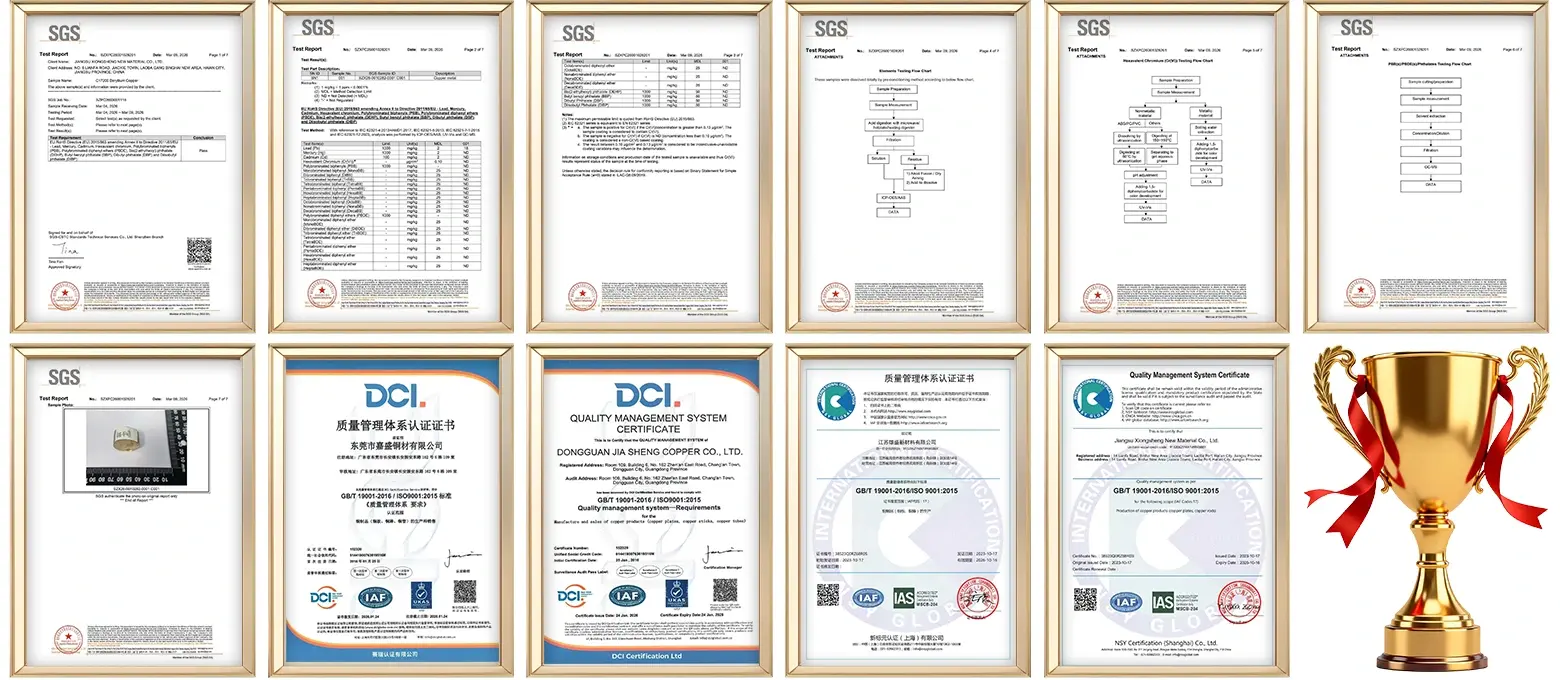
Quality Assurance: ISO9001:2015, RoHS Compliant, EN 10204 3.1 Mill Certified
Description
C17200 Beryllium Copper Bushing for Aerospace, Oil & Gas, and Heavy Industrial Applications
C17200 Beryllium Copper Bushing is a copper-based alloy containing 1.80 – 2.00% beryllium that is precipitation hardened. The performance is same as high-end alloy steel with tensile strength of 1100-1320 MPa and hardness of 36-42 HRC after ageing treatment. At the same time, it maintains thermal conductivity of 105 W/m·K and electrical conductivity of 22-25% IACS. All C17200 Beryllium Copper Bush are precisely machined to a tolerance of ±0.005 mm and made to ISO 9001:2015, ASTM B196, AMS 4650 and SAE J463 standards. Wall thickness is from 2 mm up to 50 mm, outer diameter is from 10 mm up to 500 mm. If we have it in stock, we can have the product sent in three to five business days.
What Makes C17200 Beryllium Copper Bushing Different From Standard Bronze?
Strong impacts, frequent cycle fatigue, and inadequate lubrication can cause damage to conventional aluminum bronze and phosphor bronze bushings. Three typical industrial issues that conventional bronze products are unable to address are resolved by the C17200 Beryllium Copper Bushing:
- Seizures and galling under dry touch or boundary lubrication
- High-frequency oscillating pivot parts' fatigue damage
- Corrosion embrittlement in hydraulic fluid, sour gas, and saltwater conditions
The difference in performance comes from metallurgical differences. The beryllium-copper matrix results in a thick, homogenous precipitation structure after solution heat treatment and precipitation hardening. The alloy has a yield strength of 950–1150 MPa, twice that of most aluminium bronze alloys and maintains its non-magnetic (permeability < 1.001) and non-sparking features.
Technical Specifications
| Parameter | Value |
|---|---|
| Grade / UNS | C17200 (Alloy 25) |
| Equivalent Designations | CuBe2 / RWMA Class 4 / EN CW101C / DIN 2.1247 |
| Be Content | 1.80 – 2.00% |
| Co+Ni (min) | 0.20% |
| Co+Ni+Fe (max) | 0.50% |
| Tensile Strength (Aged AT) | 1100 – 1320 MPa |
| Yield Strength | 950 – 1150 MPa |
| Hardness (Aged AT) | 36 – 42 HRC / 350 – 420 HV |
| Electrical Conductivity | 22 – 25% IACS |
| Thermal Conductivity | 105 W/m·K |
| Temper Condition | TB00/A (Solution Annealed) & AT/TF00 (Peak Aged) |
| Outer Diameter Range | 10mm – 500mm |
| Wall Thickness Range | 2mm – 50mm |
| Machining Tolerance | ±0.005mm (CNC Turning / Grinding) |
| Executive Standards | ASTM B196, AMS 4650, SAE J463, ISO 5182 |
| Quality Certification | ISO 9001:2015, RoHS, REACH, EN 10204 3.1 MTC |
Key Performance Advantages
Robust Load-Bearing Capacity: Heavy-duty hydraulic actuator assemblies and aerospace landing gear pivot structures can endure a variety of static and dynamic shock loads thanks to the precipitation-hardened material's 1320 MPa tensile strength.
Anti-Galling & Anti-Seizure: Prevents fretting and surface scuffing, works well with titanium, nickel alloy and hardened steel pins and maintains consistent low friction performance even in the absence of continual lubrication.
Non-Sparking & Non-Magnetic Non-sparking qualities for petrochemical and underground mining applications Low magnetic permeability prevents interference with downhole detecting instruments and aviation equipment.
Corrosion & Cavitation Resistance: Resistant to H2S corrosion in sour gas, maritime salt spray and corrosive hydraulic fluids. Most oilfield & subsea applications need no further coating.
Primary Application Scenarios
Because it prevents electronic signal interference and absorbs landing impact loads without plastic deformation, it is extensively utilized in aerospace landing gear and actuators. It is resistant to hydrogen embrittlement and crevice corrosion in high-pressure saltwater and H2S conditions for oil and gas downhole drilling equipment. In order to speed up mold heat dissipation and lessen component wear, it also functions as guide bushings for die casting and injection molding. It also extends the life of worn sleeves and hydraulic pump bearings in high-pressure oscillation situations with inadequate lubrication.

Quality Control and Inspection Protocol
Before being delivered, every product goes through a thorough process examination, which includes:
Testing for surface roughness to make sure inner diameter Ra < 0.4
UT ultrasonic testing to look for interior flaws
CMM dimensional detection to ensure a tolerance of ±0.005 mm
OES spectrographic study to verify impurity indicators and beryllium content
Rockwell C hardness testing to confirm the impact of aging
Each batch contains certificates from the EN 10204 3.1 test and complete material traceability documents.
Customization and Supply Options
We support custom processing of C17200 Beryllium Copper Bushing with outer diameters of 10mm–500mm and wall thicknesses of 2mm–50mm, fully machined per customer drawings with ±0.005mm tolerance. Customers can select solution annealed or peak aged temper conditions as required. We provide 24-hour quotation service, fast delivery for in-stock items, and one-stop logistics and customs clearance services.
Frequently Asked Questions
Q1: Why use C17200 over aluminum bronze for heavy-duty bushings?
A1: Its improved hardness and yield strength — nearly double that of aluminum bronze — effectively resist component deformation and damage under severe impact loads.
Q2: Is using a solid C17200 beryllium copper bushing safe?
A2: Solid machined parts are risk-free. Dust and fume protection is only necessary for cutting, grinding, and polishing operations.
Q3: Which shaft materials work best with the bushing?
A3: For the best friction reduction and anti-galling performance, hardened steel shafts above HRC 50 with a surface polish of Ra ≤ 0.8 are advised.
Q4: Is it able to adjust to surroundings with sour gas and saltwater?
A4: Suitable for subsea connections, offshore actuators, and downhole valve components, it is resistant to H2S erosion, hydrogen embrittlement, and crevice corrosion.
Q5: Is lubrication required for the bushing?
A5: Despite its inherent low-friction characteristics, regular high-pressure grease lubrication is recommended for high-speed and high-frequency operation to extend service life.
Contact Us
Send your product drawings and technical specifications to js01@jstongcai.com.cn, and we will provide you with a detailed and targeted quotation for C17200 Beryllium Copper Bushing within 24 hours.