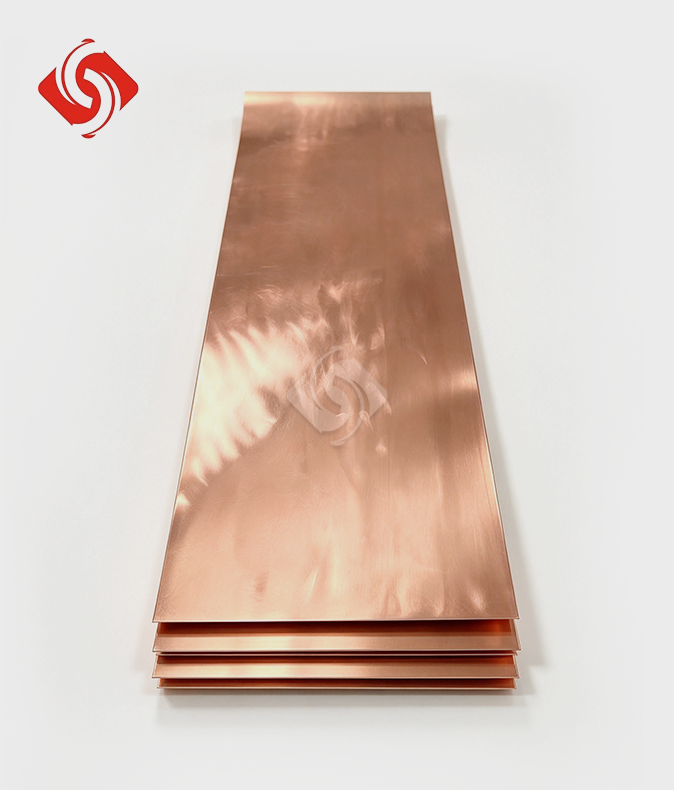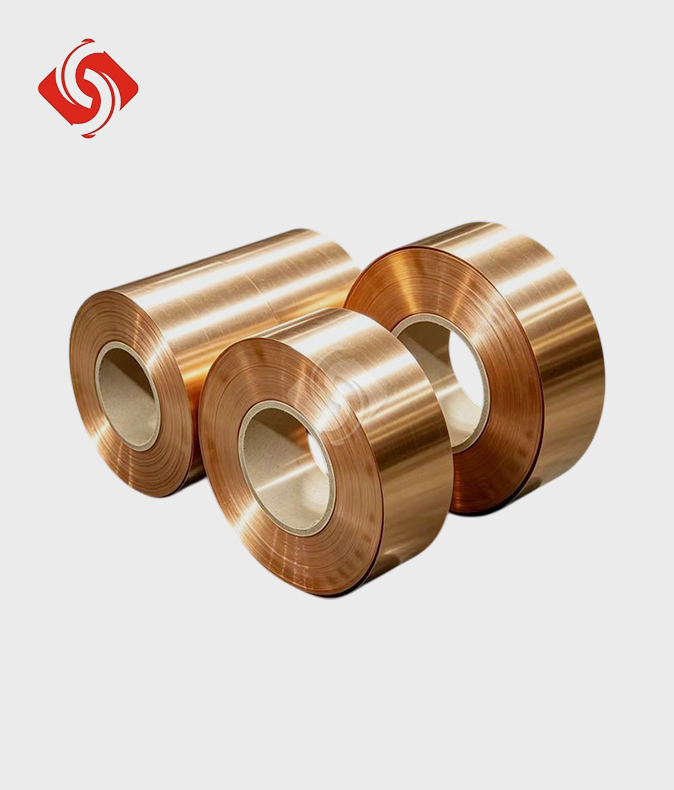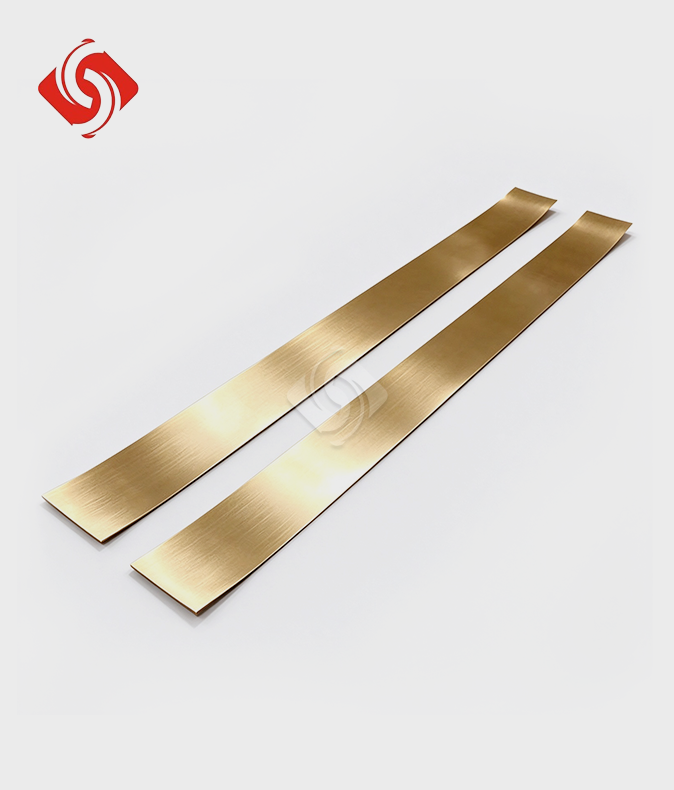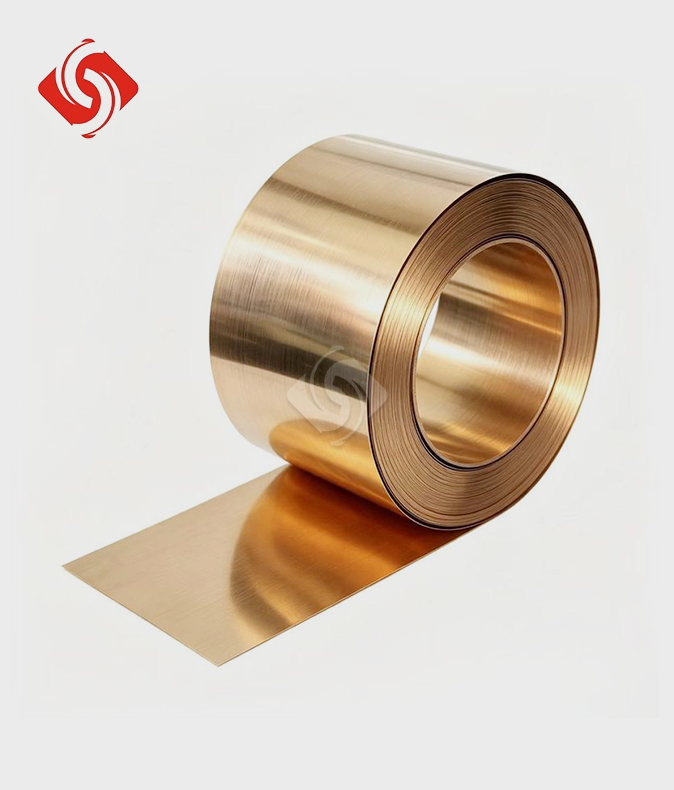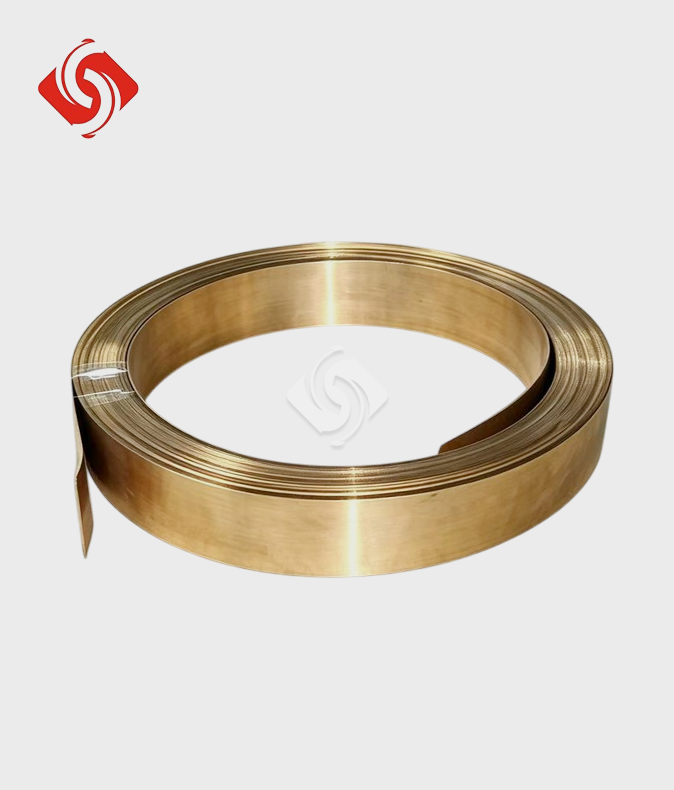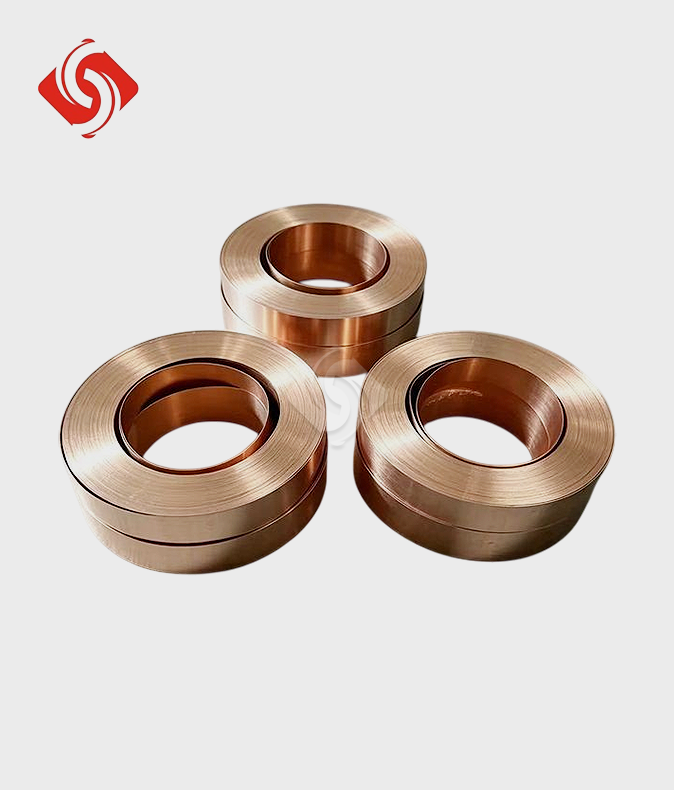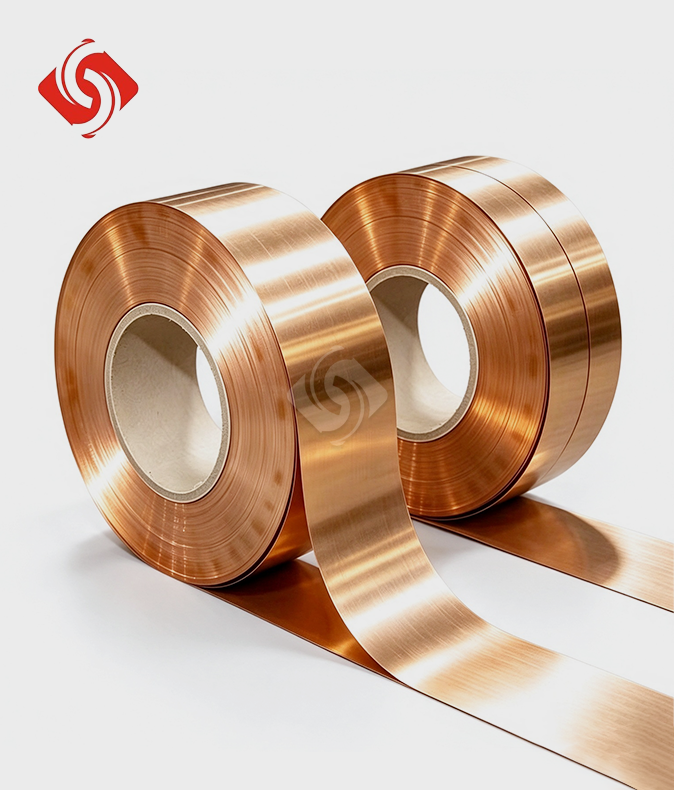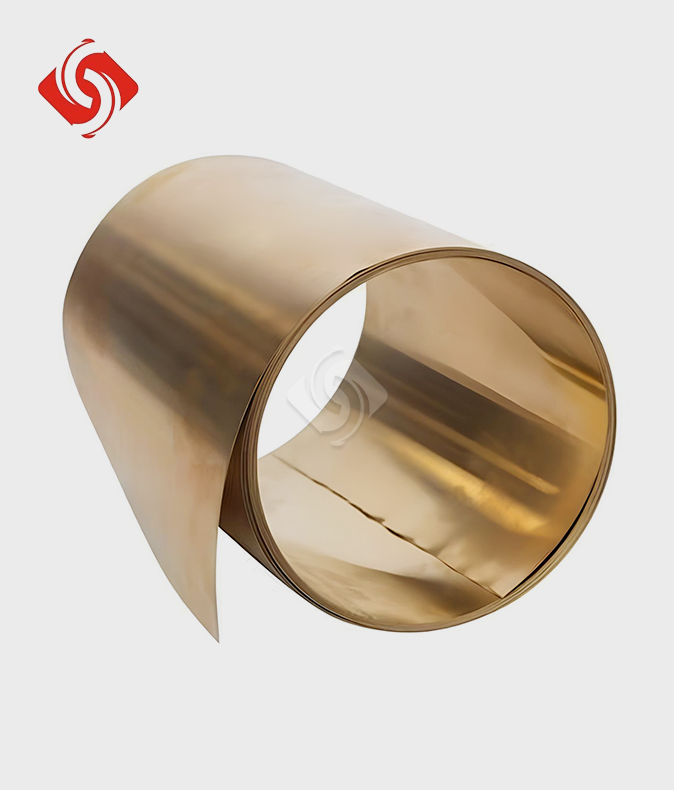
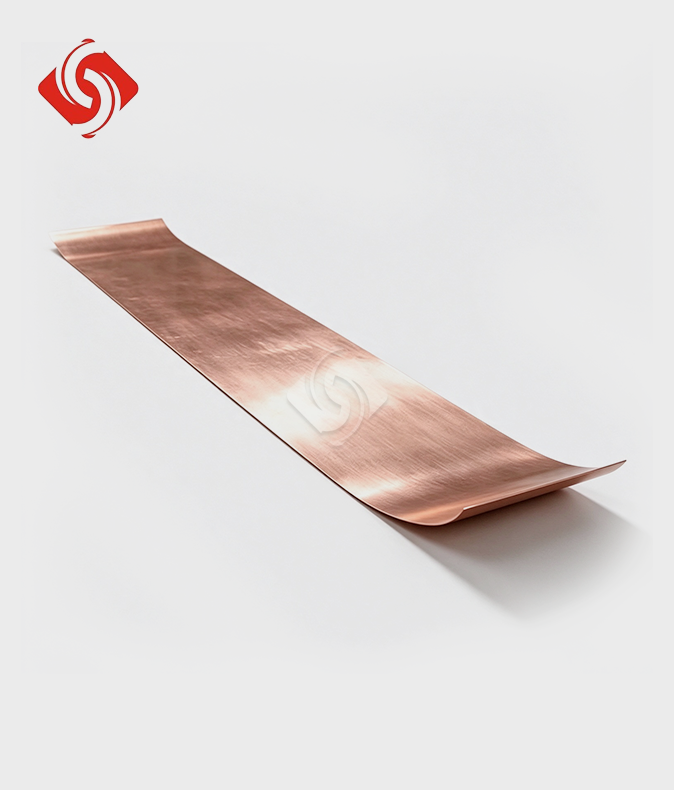
Cube2 Strip
Grade Equivalents: EN CW101C / DIN 2.1247 / UNS C17200 / Alloy 25 / RWMA Class 4
Application Focus: European Standard Electronic Springs, Aerospace Connectors, Relay Blades, & Diaphragms
Executive Standards: DIN EN 1654, ASTM B194, ISO 5182 Specifications
Size Range: Thickness 0.05mm - 3.0mm, Width up to 300mm, Precision Slit Coils / Cut Strips
Temper Condition: Annealed (R200 / TB00), Cold-Rolled Spring Tempers (e.g., R410, R510), or Aged (H)
Core Purpose: High European Grade Compliance Combined with Ultimate Spring Resilience & Fatigue Endurance
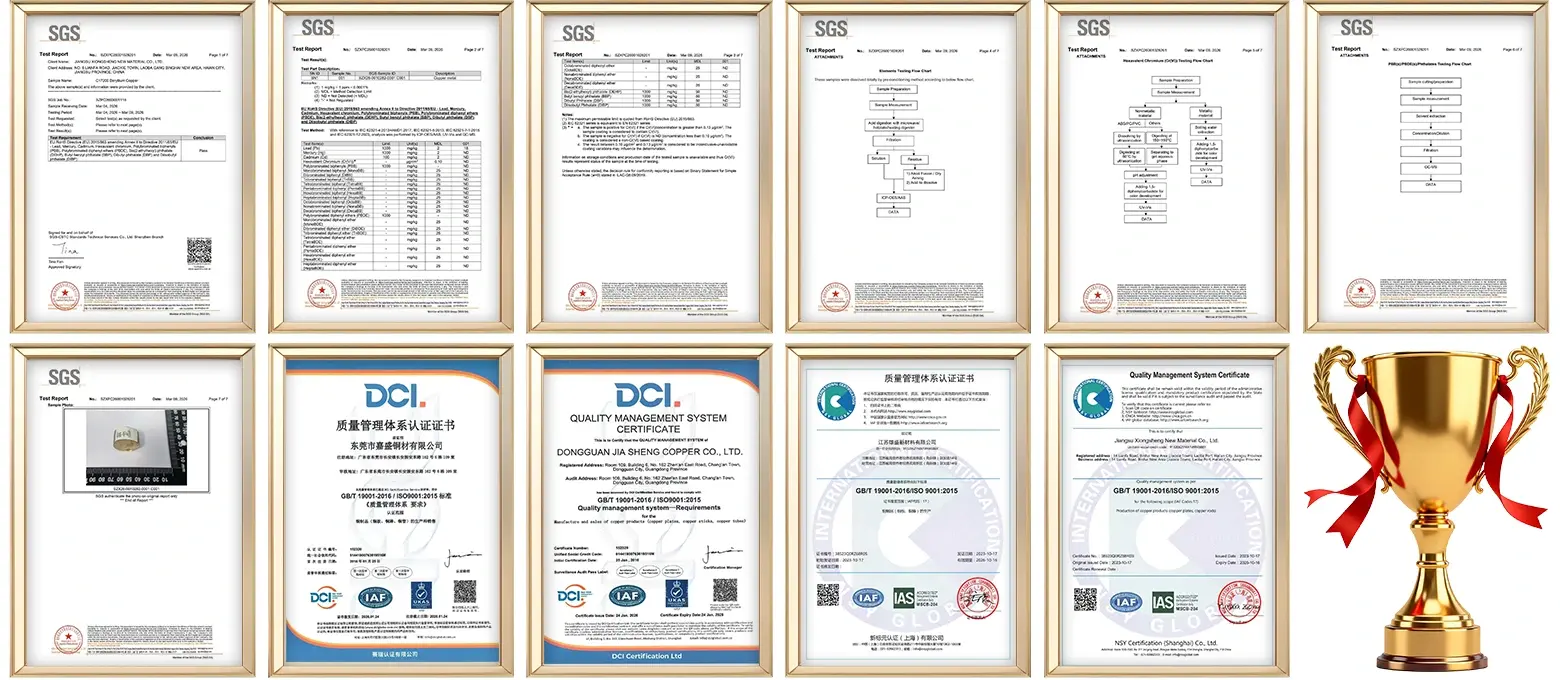
Quality Assurance: ISO9001:2015, RoHS Compliant, EN 10204 3.1 Mill Certified
Description
CuBe2 Strip – High-Strength Beryllium Copper Alloy for Precision Spring & Connector Applications
CuBe2 strip is a copper alloy precipitation-hardened with 1.80–2.00% beryllium. It is often used in relay blades, diaphragms, precise springs and aerospace connectors. Compared with standard brass and phosphor bronze, the material with age treatment exhibits a constant fatigue resistance and stress relaxation performance, with a tensile strength of 1110-1320 MPa and hardness of 350-420 HV.
We provide precision slit coils and cut strips according to ASTM B194, DIN EN 1654 and EN 10204 3.1. Up to 300 mm width and 0.05 – 3.0 mm thickness.
What Is CuBe2 Strip?
Beryllium Copper Alloy C17200, often known as Alloy 25 or QBe2, is the scientific name for CuBe2 strip. Three significant technical problems are resolved by this precipitation-hardening material:
- The requirement for non-sparking, non-magnetic performance in delicate circumstances
- Fatigue in small parts
- Relaxation from stress in hot weather
When compared to the standard copper alloys, CuBe2 remains elastically intact under the severe cyclic stress. It is the preferred option for high-reliability spring contacts, EMI shielding gaskets and ruggedised multi-pin connections.
Chemical Composition & Grade Equivalents
| Standard | Designation |
|---|---|
| UNS | C17200 |
| EN | CW101C |
| DIN | 2.1247 |
| Common Name | Alloy 25 / RWMA Class 4 |
| Chinese Standard | QBe2 |
| Element | Content |
| --- | --- |
| Beryllium (Be) | 1.80 – 2.00% |
| Co+Ni (min) | 0.20% |
| Co+Ni+Fe (max) | 0.50% |
| Copper (Cu) | Balance |
Key Technical Specifications
| Property | Value |
|---|---|
| Thickness Range | 0.05mm – 3.0mm |
| Width | Up to 300mm |
| Temper Options | Annealed (R200/TB00), Cold-Rolled (R410, R510), Aged (H) |
| Tensile Strength (Aged) | 1110 – 1320 MPa |
| Yield Strength | 950 – 1150 MPa |
| Hardness (Aged) | 36–42 HRC / 350–420 HV |
| Electrical Conductivity | 22–25% IACS |
| Thermal Conductivity | 105 W/m·K |
| Density | 8.25 g/cm³ |
| Melting Point | 865 – 980°C |
| Magnetic Permeability | < 1.001 (fully non-magnetic) |
Performance Advantages
High Temperature tension Retention. Material retains more than 90% of its initial tension at 150 o C accommodating long term high frequency cyclic bending of relays and actuator components.
Non-Magnetic and Spark Resistant: These are perfect features for medical devices and flammable areas.
Flexible Temper Options: Annealed material may be deep drawn and stamped and low temperature ageing can preserve mechanical strength without dimensional deformation.
Quality Control & Inspection
Complete process check of each batch. Dimensional tolerance is controlled by high precision micrometres. Alloy composition is verified by ICP-OES. Conductivity is tested by eddy current equipment. Grain size, tensile strength and hardness testing are undertaken before to delivery. Complete batch traceability is assured by providing full EN 10204 3.1 test records with every shipment.
Application Scenarios
It serves aerospace vibration-resistant connectors and shielding parts, EV automotive battery terminals and sensor springs. It also applies to subsea drilling equipment components that resist saltwater corrosion, as well as telecommunications and consumer electronic precision springs and diaphragms.
Surface Finishing Recommendations
Nickel, gold and tin plating are applicable for CuBe2 connector parts to improve solderability and reduce contact resistance. Surface activation is required before plating to remove beryllium oxide and ensure plating adhesion.
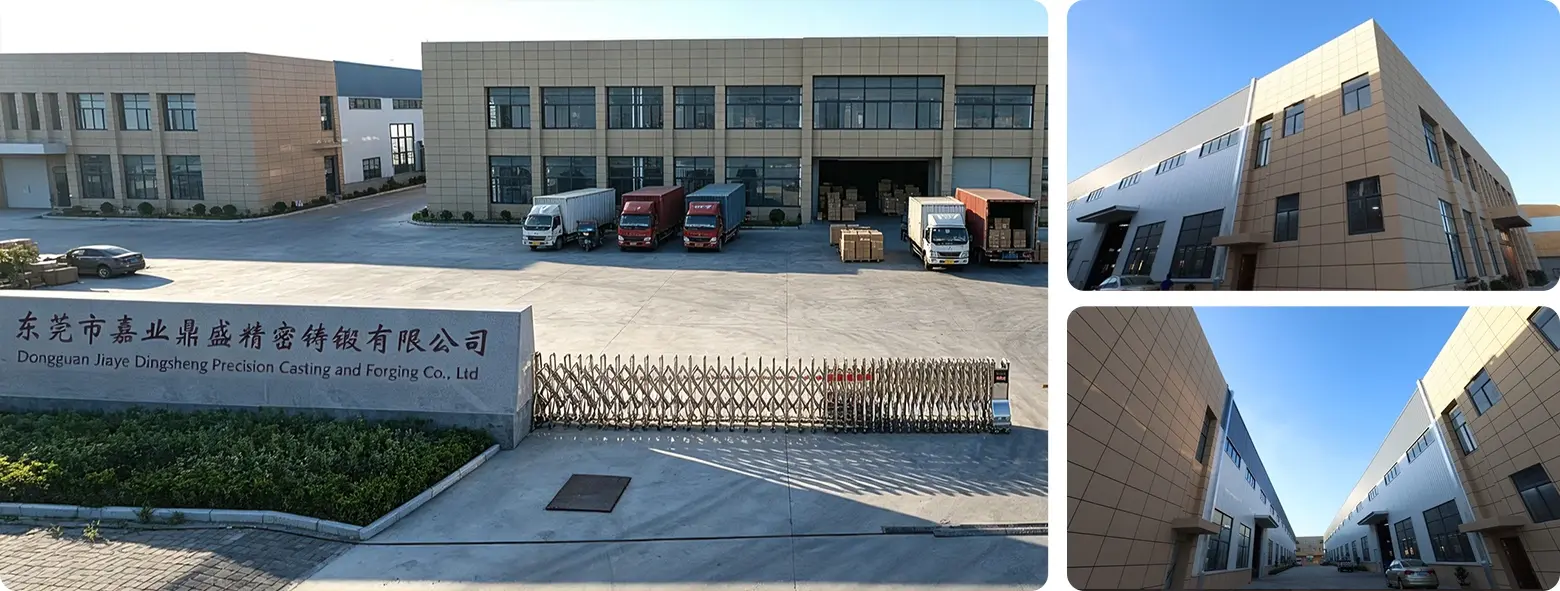
Why Choose Dongguan Jiaye Dingsheng?
Founded in 1997, we have 25+ years of copper alloy manufacturing experience. Integrated production procedures stabilize product consistency. We offer 24-hour quotation, in-stock goods deliverable in 3–5 days, with complete international logistics and customs documents.
FAQ
Q1: What distinguishes CuBe2 from CuBe1.9?
A1: CuBe1.9 includes lead for improved machinability with reduced mechanical performance, while CuBe2 has greater strength.
Q2: Is it possible to create pieces before heat-treating them?
A2: To achieve standard mechanical qualities, form with an annealed temper and age at 315°C for two to three hours.
Q3: How does it function at high temperatures in comparison to phosphor bronze?
A3: Phosphor bronze performance clearly deteriorates at 100°C, yet it retains steady stress at 150°C.
Q4: Is the material export compliant?
A4: Solid strip meets RoHS and REACH standards. Only dust-generating processing needs ventilation protection.
Q5: What plating processes are suitable?
A5: Nickel, gold and tin plating are available; surface activation is necessary before processing.
Contact Us
Send your CuBe2 Strip specifications and technical requirements to js01@jstongcai.com.cn.