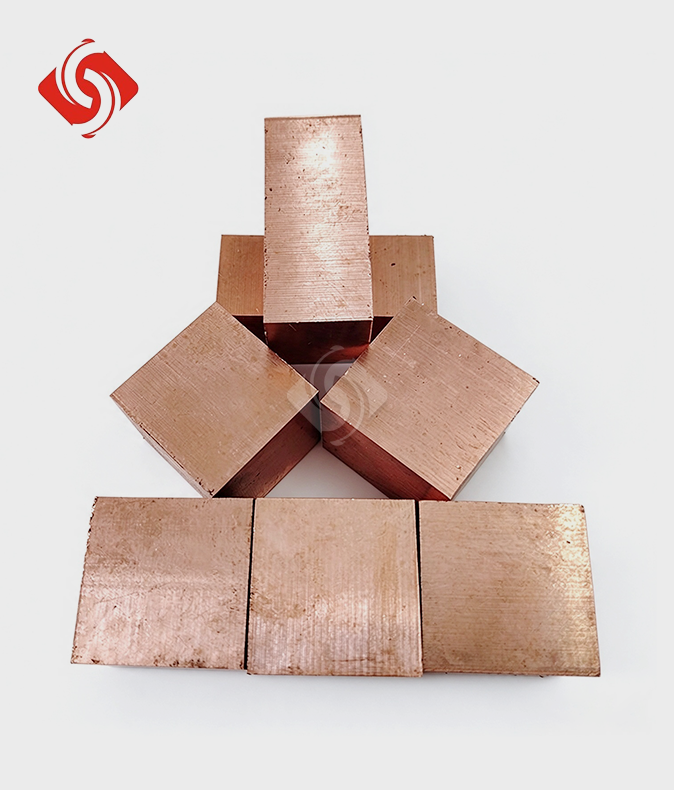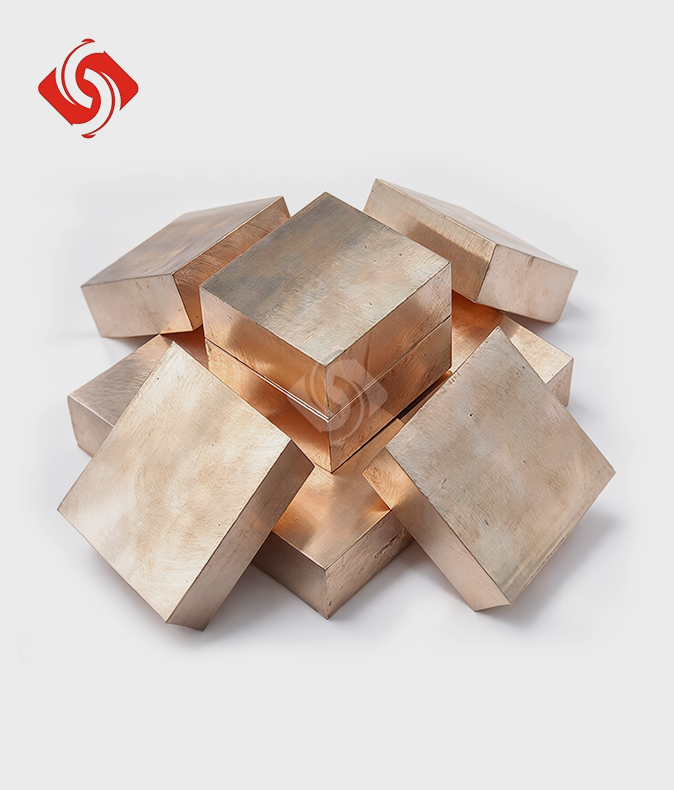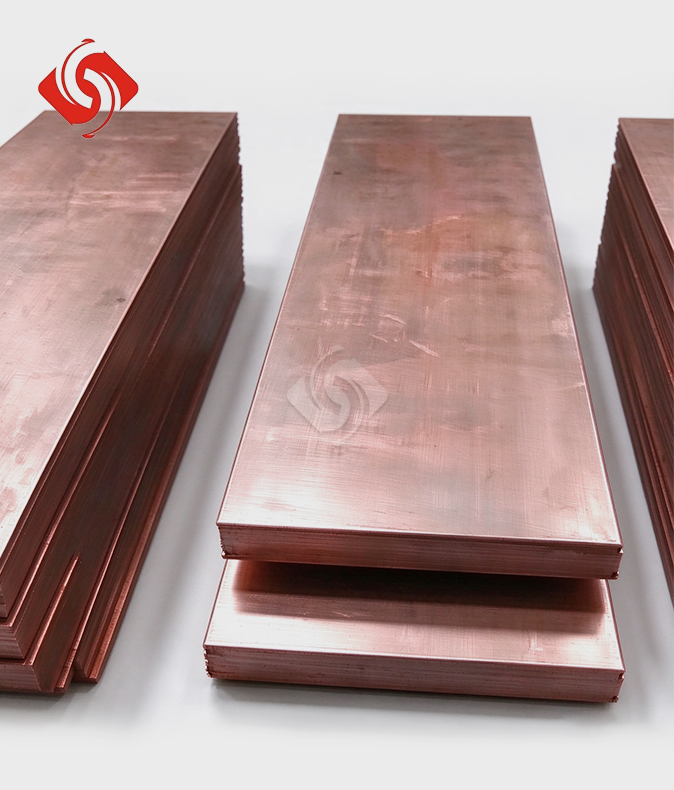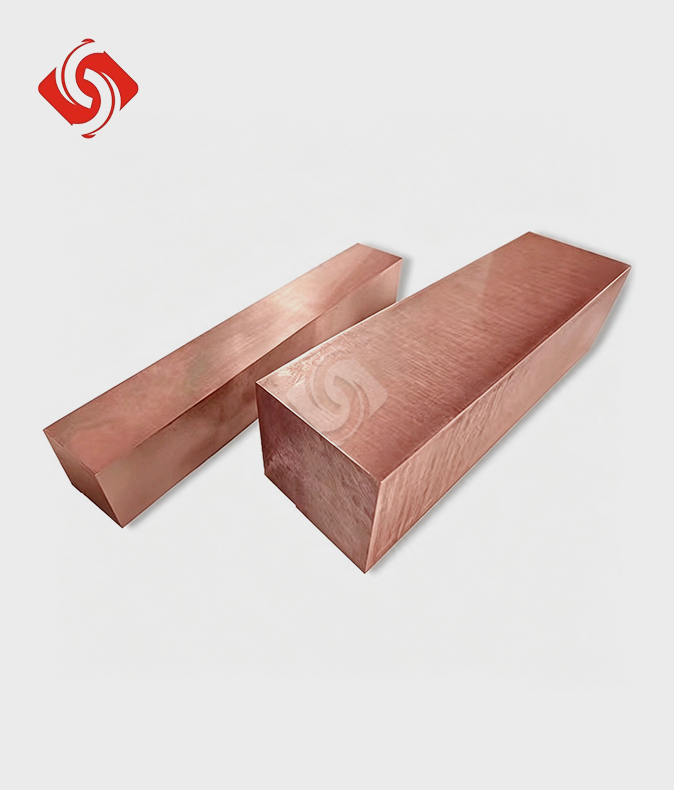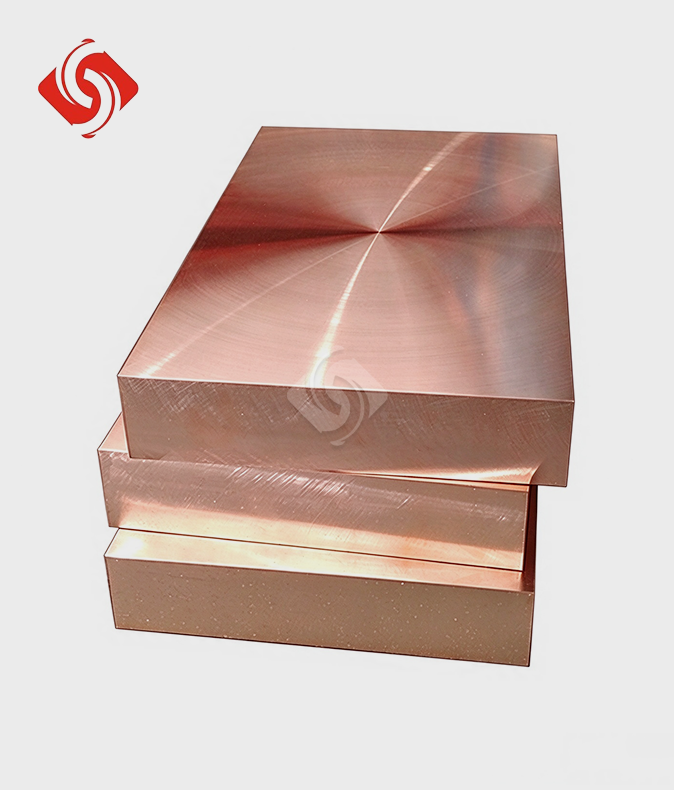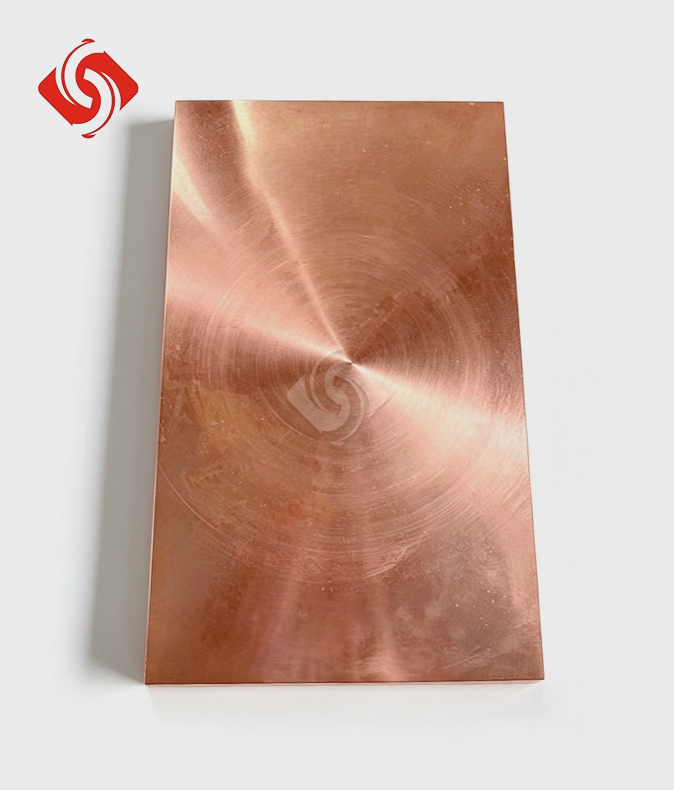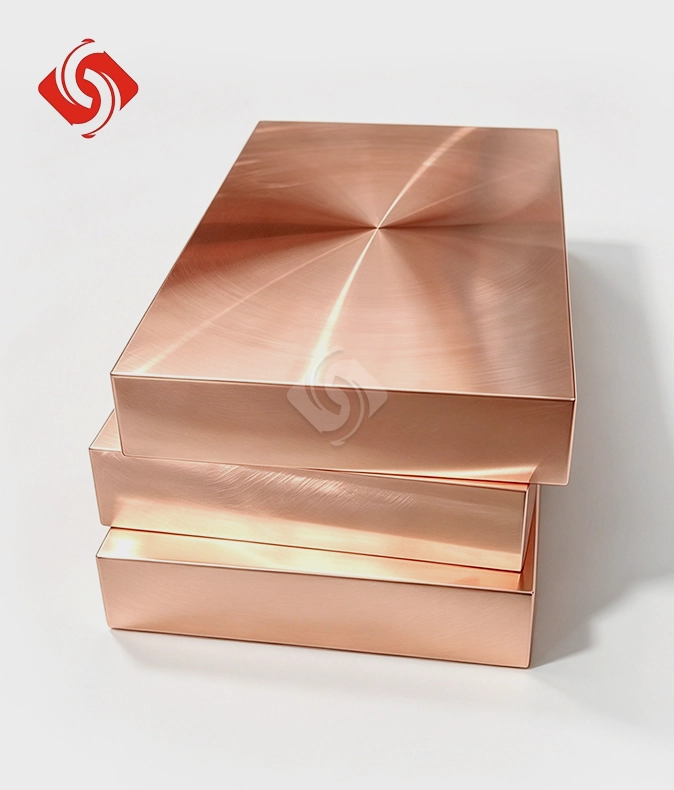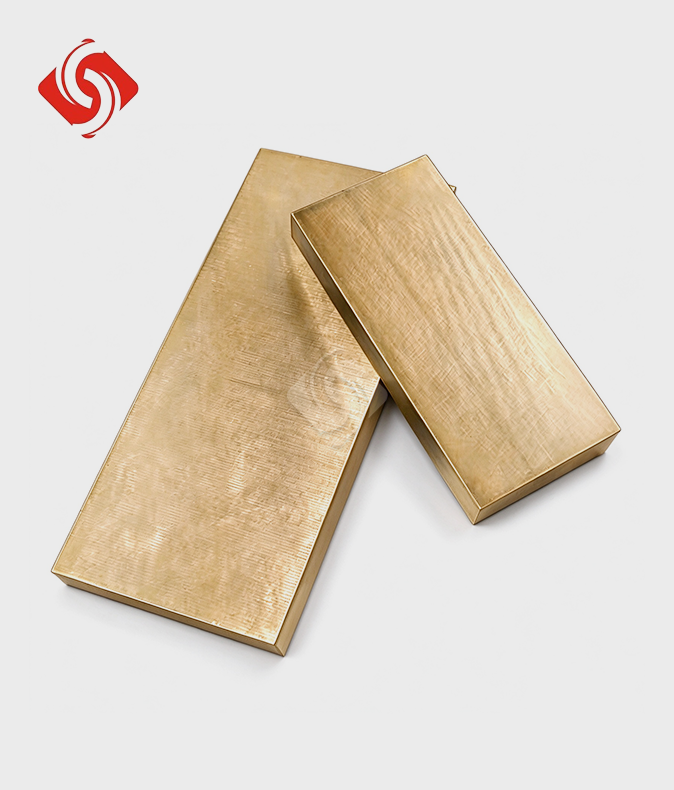
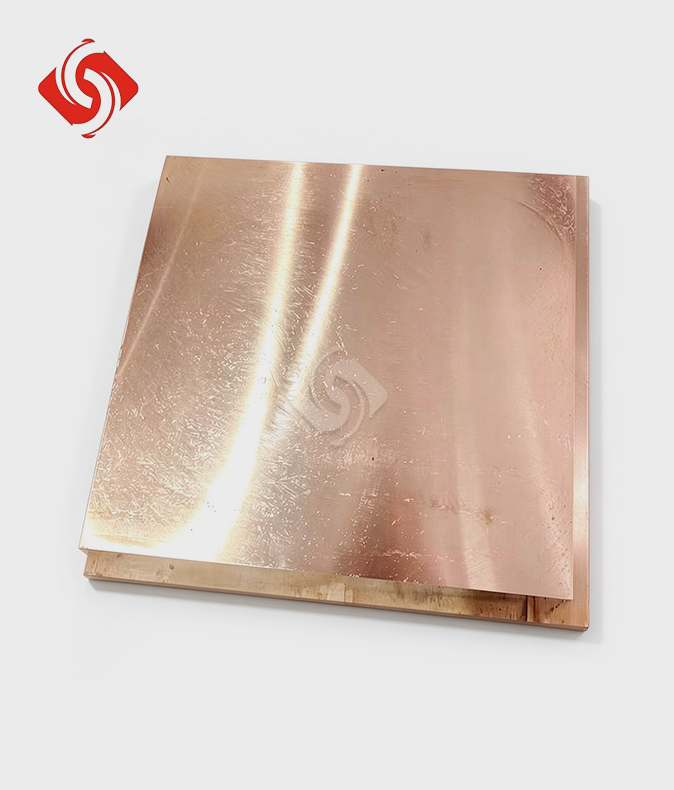
C17200 Beryllium Copper Hot Runner Plate
Grade: UNS C17200 / CuBe2 / Alloy 25 / EN CW103C (High-Strength Non-Sparking Alloy)
Application Focus: Explosion-Proof Lining Plates, Anti-Spark Industrial Barriers, Hazardous Area Tooling & Shims
Executive Standards: ASTM B194; ATEX-compliant (Zones 0, 1, 2) for non-sparking safety applications
Size Range: Thickness 2.0mm - 100mm, Custom Width and Length Cut-to-Size Available
Temper Condition: Age-Hardened (TF00 / AT) or Mill-Hardened (HM)
Core Purpose: Certified Non-Sparking Safety Combined with High Mechanical Strength in Explosive Zones
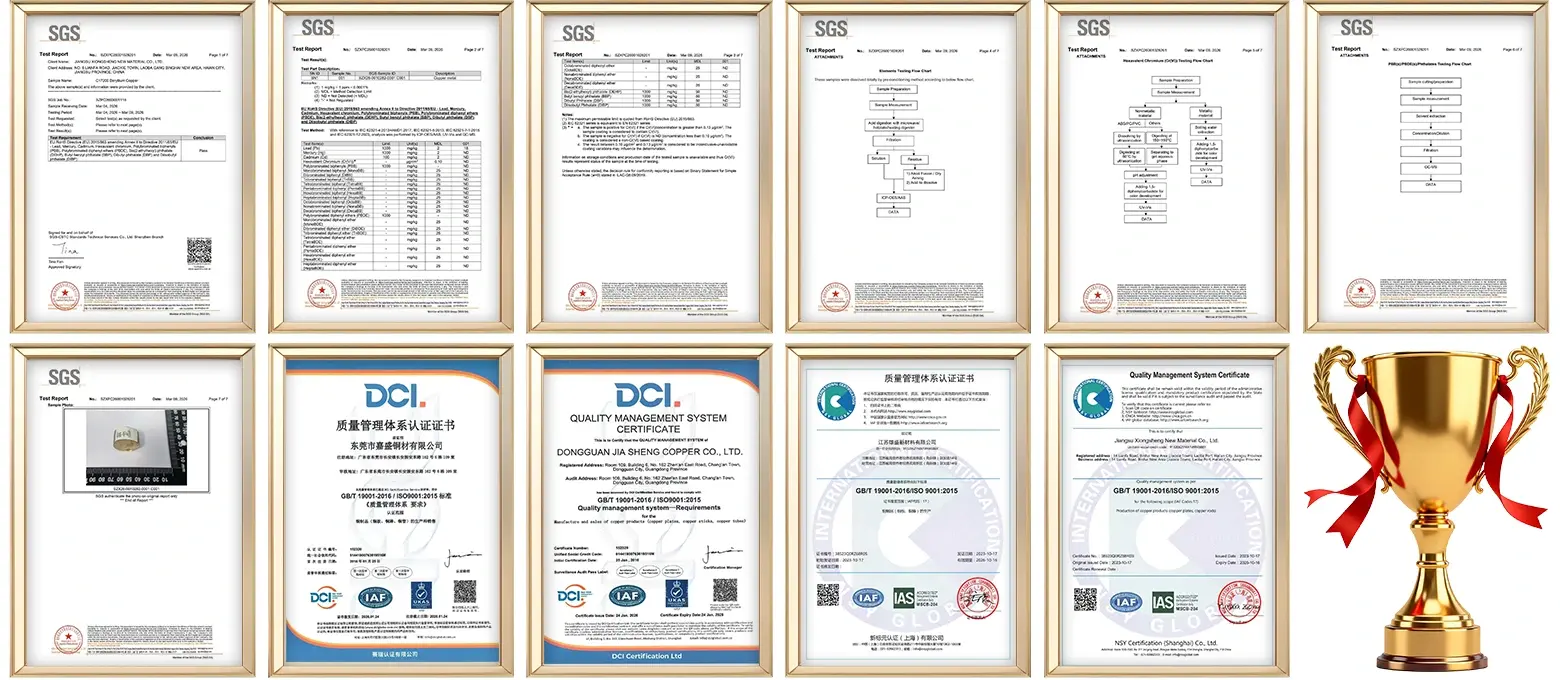
Quality Assurance: ISO9001:2015, RoHS Compliant, MTC 3.1 Certified
Description
C17200 Beryllium Copper Hot Runner Plate for Injection Molding — High Thermal Conductivity & Precision Performance
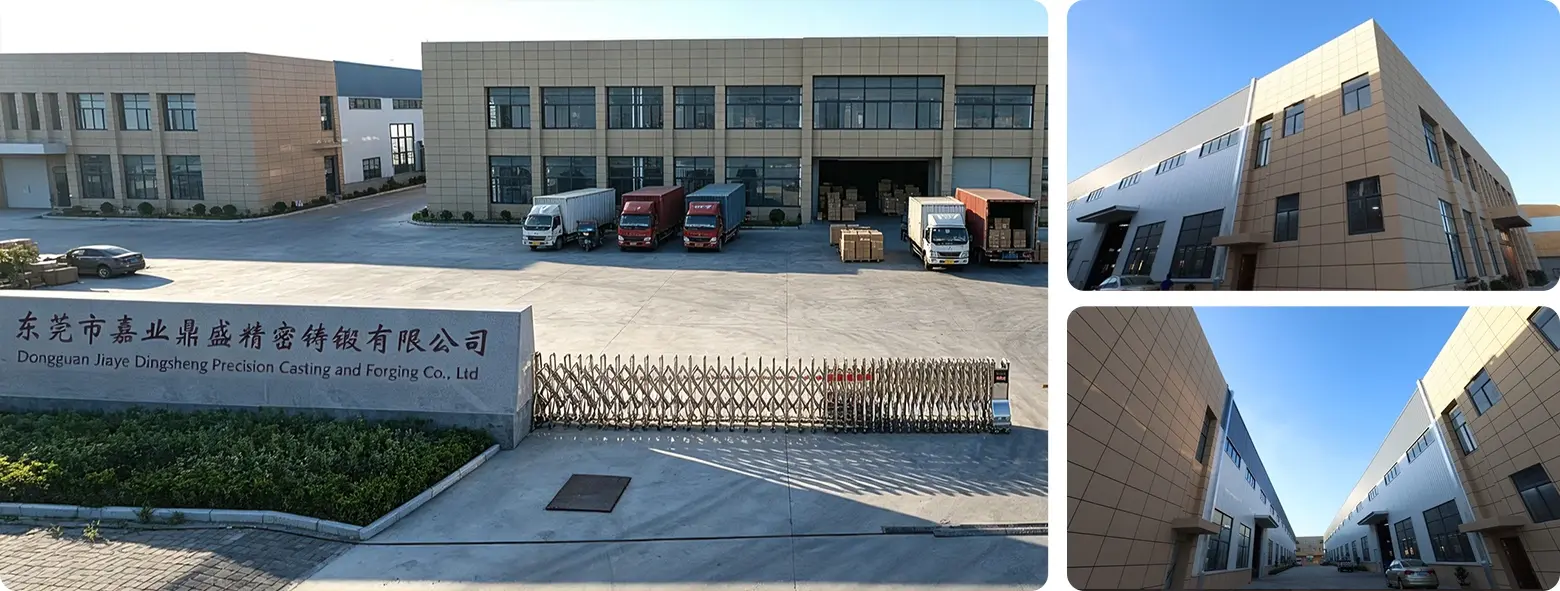
This C17200 Beryllium Copper Hot Runner Plate is made from C17200 beryllium copper, an alloy with 1.80 to 2.00% beryllium in a copper matrix, built for demanding heat conditions within injection moulding systems. Dongguan Jiaye Dingsheng Precision Casting & Forging Co., Ltd. is a producer with 25+ years of copper alloy expertise. The plate delivers 105–130 W/m·K thermal conductivity, tensile strength up to 1320 MPa, and hardness of 36–42 HRC after age hardening.
It is available in thicknesses ranging from 2.0 mm to 100 mm and may be cut to size. It complies with ASTM B194 and RWMA Class 4 requirements, supported by ISO 9001 certification and complete MTC 3.1 traceability documentation.
What Makes This Plate Different From Standard Tool Steel?
Thermal lag is a problem with high speed moulding using the traditional tool steels such as P20 or H13. This beryllium copper plate has 3 to 4 times the thermal conductivity of comparable steels — meaning heat travels quicker, cycles are shorter and scrap rates are lower.
You get the mechanical toughness of a hardened tool material with the heat transfer rate of a conductor. That is an unusual combination, and it directly affects your cost per part.
This plate overcomes two difficulties at once for mould engineers and procurement teams when they are looking at hot runner system components: uneven solidification and long cooling cycles.
Technical Specifications
| Parameter | Value |
|---|---|
| Grade / Standard | UNS C17200 / CuBe2 / Alloy 25 / EN CW103C |
| Executive Standard | ASTM B194 / RWMA Class 4 |
| Beryllium Content | 1.80 – 2.00% |
| Co + Ni (min) | 0.20% |
| Balance | Copper |
| Tensile Strength | 1110 – 1320 MPa |
| Yield Strength | 950 – 1150 MPa |
| Hardness (Aged) | 36 – 42 HRC / 350 – 420 HV |
| Electrical Conductivity | 17 – 25% IACS |
| Thermal Conductivity | 105 – 130 W/m·K |
| Temper Condition | Age-Hardened (TF00/AT) or Mill-Hardened (HM) |
| Thickness Range | 2.0 mm – 100 mm |
| Width & Length | Custom cut-to-size available |
| Magnetic Properties | Non-magnetic |
| Certifications | ISO 9001, RoHS, REACH, MTC 3.1 |
Key Performance Advantages
Quicker heat transfer, reduced cycle times
This plate has a much higher heat transfer rate than alternatives for tool steel, at 105–130 W/m·K. In practice this may minimise cooling time by up to 30%, reducing energy expenditure and increasing productivity each shift.
High Injection Pressure Resistant Hardness
After precipitation hardening, the plate achieves 36-42 HRC. This level of hardness allows for high injection pressures without surface deformation, gate wear or dimensional shift during lengthy production runs.
Corrosion resistance by common polymers
The alloy is resistant to chemical assault by hydrocarbons, saltwater and standard plastic production solvents. For moulds using harsh resins, it implies shorter downtime and longer service life between maintenance cycles.
No magnetism, no interference
It has 0% magnetic permeability and is safe for use in sensitive situations such as moulding of electronic components and fabrication of medical devices, where magnetic interference is unacceptable.
Application Scenarios Medical Equipment Moulding
For thin-walled parts such as insulin pen parts for clean room grade moulds. For sub-5-second cycle speeds, precise, uniform cooling is needed, and this plate achieves it reliably throughout the whole gate area.
Automotive Optical Components
Uneven cooling of the gate results in sink marks in LED headlight lens manufacture. This plate maintains the temperatures in the gate zone like the rest of the part, removing that fault.
High Cavity Injection Moulding
PET preform and bottle cap moulds running 96+ cavities create severe heat loads. The C17200 Beryllium Copper Hot Runner Plate is able to maintain a steady gate temperature under these circumstances, allowing the prevention of stringing and drooling in automated high speed lines.
Quality Control Process
All plates are inspected in detail before shipping using a five-step inspection process:
- Ultrasonic Testing (UT) Detection of internal porosity or inclusions as per ASTM E114
- Hardness Profile Mapping: Rockwell C testing at numerous sites for consistent precipitation hardening
- Verification of Conductivity: Eddy Current Testing for Verification of IACS% to Thermal Requirements
- Metallographic analysis: ASTM grain size 5 or finer, no continuous grain boundary precipitates
- Flatness & Parallelism Inspection : confirmed precision grinding tolerances for leak-proof assembly within the hot runner manifold
Each shipment is accompanied by an EN 10204 3.1 Mill Test Certificate including chemical composition, hardness and conductivity data.

Customization & Supply Options
Your mould design may need special dimensions or special tempering conditions. The production process here includes vacuum melting all the way up to final CNC machining in house maintaining dimensional precision batch to batch.
Possible alternatives are:
- Cut to size thickness, breadth and length, custom
- TF00/AT: Age hardened temper HM: Mill hardened temper
- Flatness control and surface grinding upon request.
- Technical advice on alloy selection and heat treatment
Quotations are provided within 24 hrs. Stock products ship in 3-5 days. *
Certificate
Frequently Asked Questions
Q1: Why do we use C17200 for hot runner plates instead of stainless steel?
A1: The thermal conductivity of C17200 is much greater and may cut cooling time by up to 30%. That decrease immediately reduces the cost per part for large-volume manufacturing runs.
Q2: Is this material safe for food-grade packaging mould end-use?
A2: Yes. As a solid machined shape, it is safe to use as a mould component. Sufficient dust extraction must be provided during fabrication while milling beryllium copper.
Q3: How does the 40 HRC hardness compare to glass-filled resins?
A3: 40 HRC is fine for ordinary resins. For glass-filled materials, which are very abrasive, we suggest electroless nickel or chrome plating on the working surface for better wear resistance.
Q4: Are these plates weldable for repair?
A4: Yes, you can TIG weld with matching filler rods. Post-weld age hardening heat treatment is necessary to recover the original mechanical characteristics and hardness.
Q5: What is the maximum working temperature of this plate?
A5: Do not use the plate at temperatures over 300°C (572°F). If the threshold is exceeded, over-aging may occur, which lowers hardness and impairs long-term performance.
Contact Us
Need a quote or technical support for your hot runner C17200 Beryllium Copper Hot Runner Plate project? Email js01@jstongcai.com.cn — response within 24 hours.