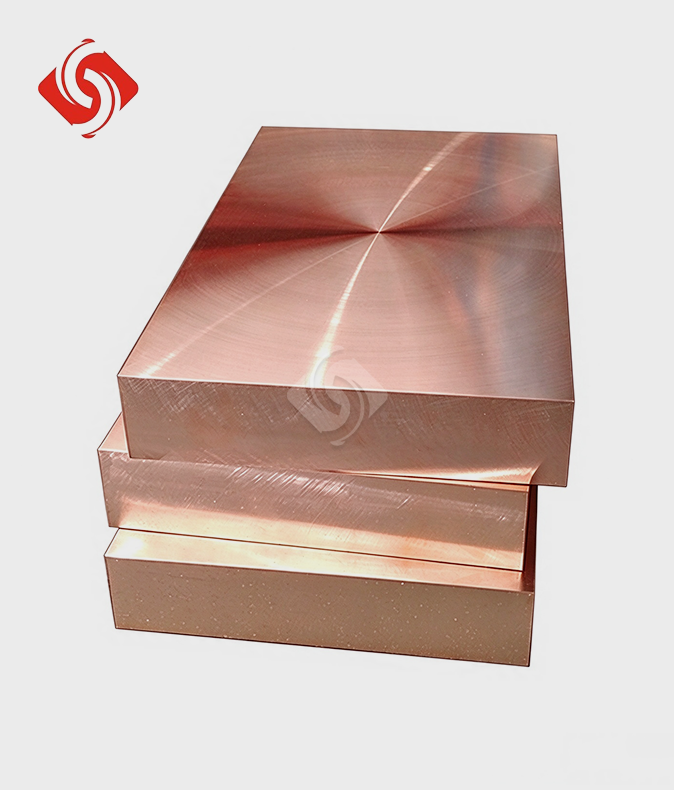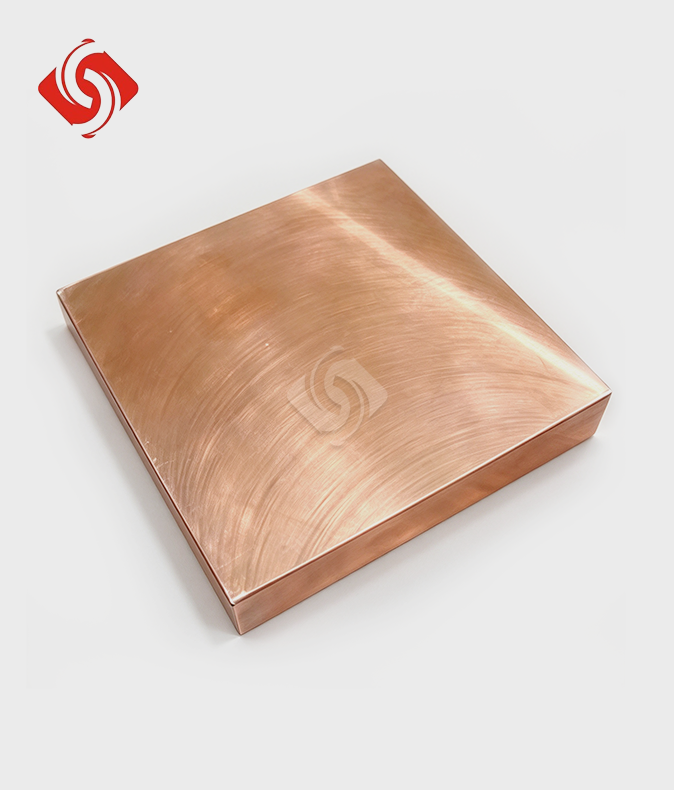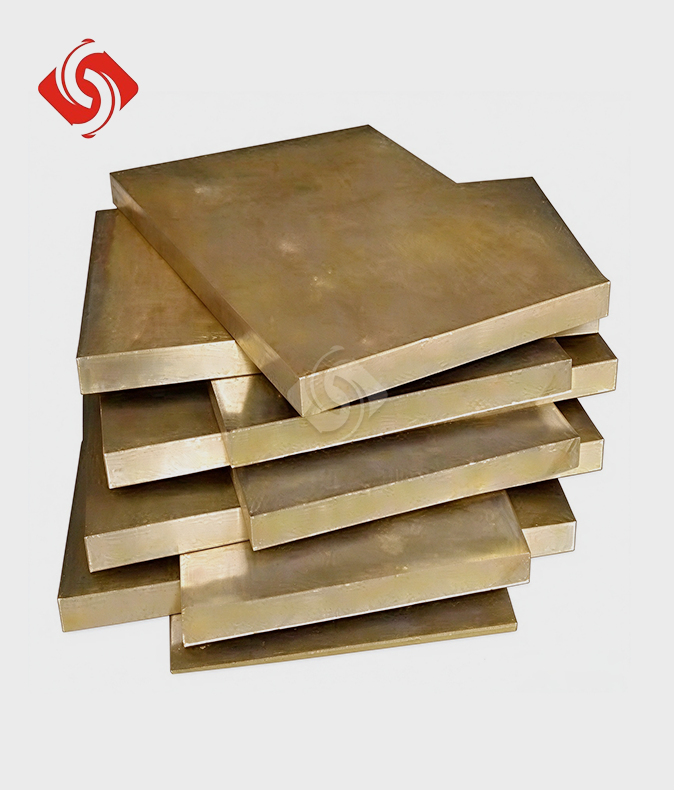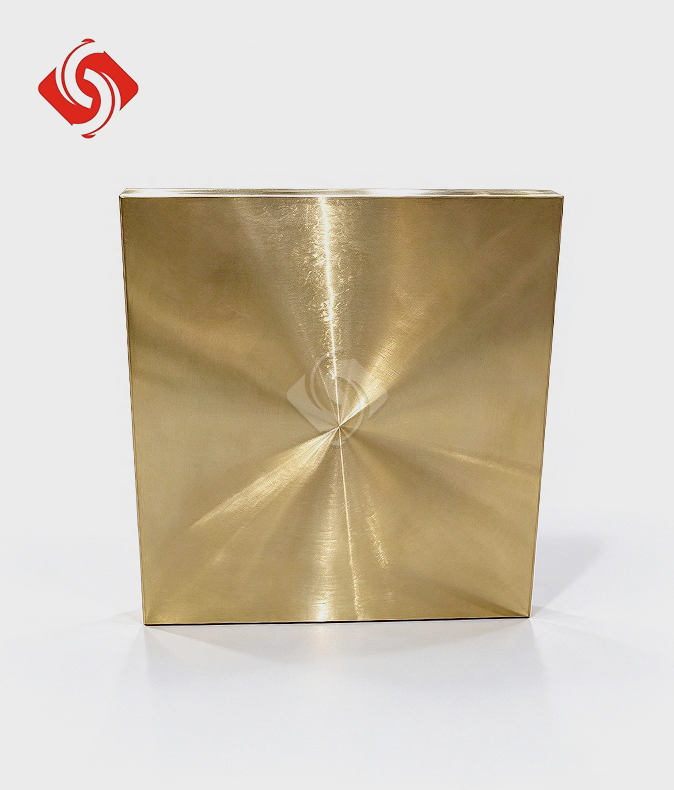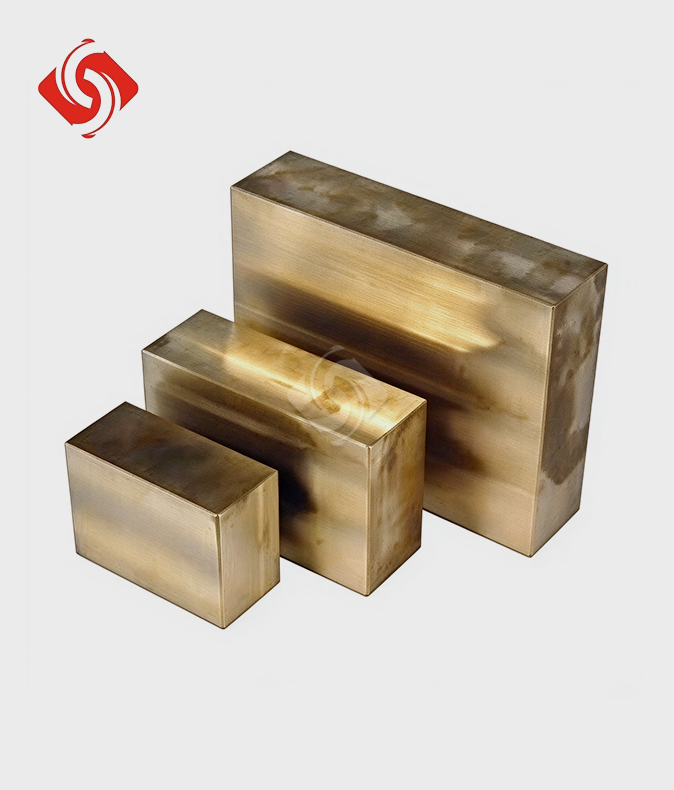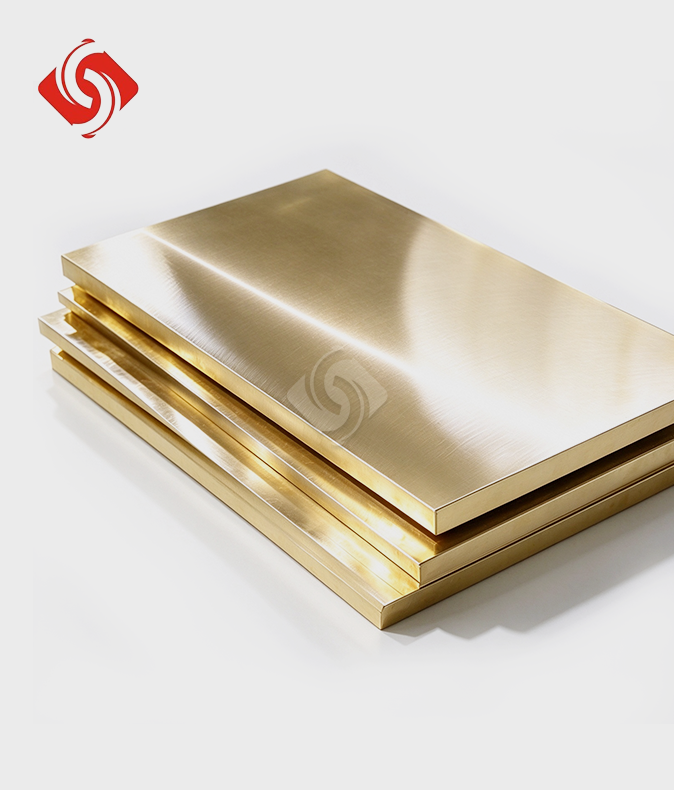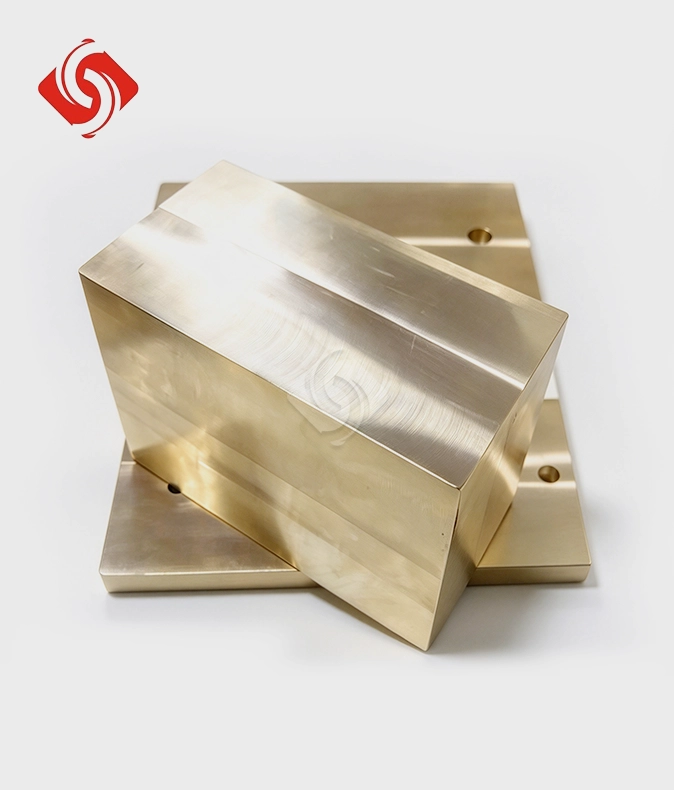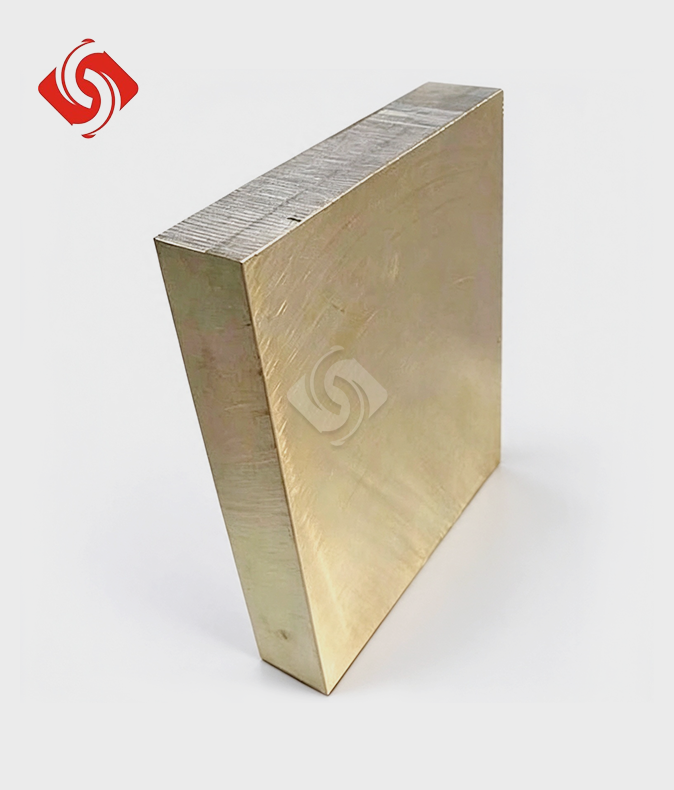
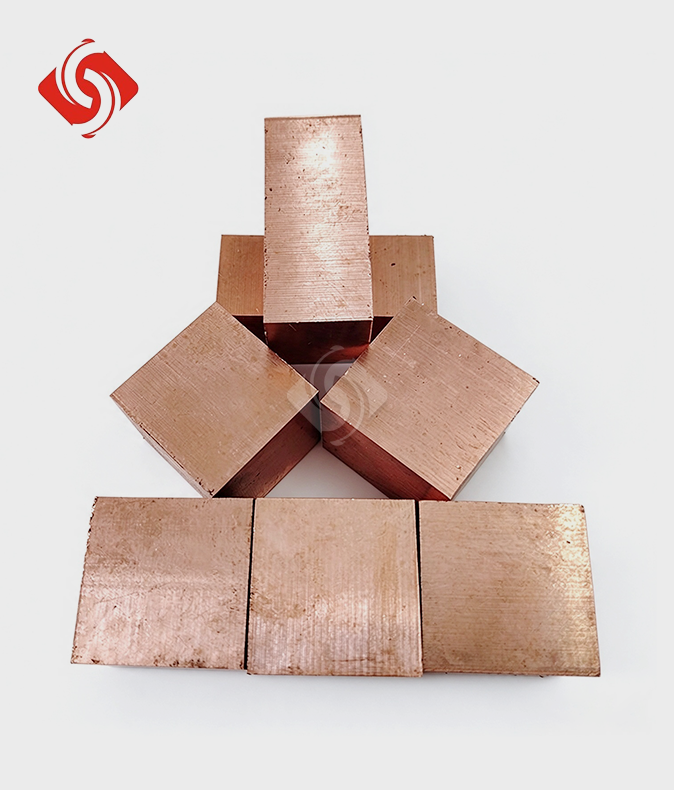
Cw106c Copper Plate
Grade: UNS C17200 / CuBe2 / Alloy 25 / CDA 172 / DIN 2.1247 / CW101C
Standards: ASTM B194, AMS 4530 / AMS 4532, SAE J461
Specification: Thickness 0.05mm - 2.5mm, Width 5mm - 400mm or Custom Precision Slit
1. Factory Direct Supply: Direct manufacturer pricing with strict quality control and batch consistency.
2. Ultra-High Precision Slitting: Precision width slitting tolerance up to ±0.05mm for high-speed automated stamping.
3. Superior Surface Quality: Bright annealed surface free of scratches, oxidation, and burrs.
4. Flexible Supply Conditions: Available in both annealed (TB00) and mill-hardened tempers (TM00–TM08, no additional heat treatment required).
5. Custom Slitting & Packaging: Coils wrapped with moisture-proof protection for ocean and air export.
6. Full Traceability & MTC: Mill Test Certificate (MTC) per EN 10204 3.1 provided with every shipment.
Description
CW106C Copper Plate (CuCr1Zr) for High-Temperature Industrial Applications — Strong, Conductive & Heat-Resistant
CW106C Copper Plate is a precipitation hardened Copper Chromium Zirconium Copper alloy for industrial applications where normal copper cannot be utilised. The material combines heat stability and mechanical strength. The tensile strength is 370-540 MPa and Vickers hardness is HV 130-175. The electrical conductivity is around 80% IACS. The high softening temperature up to 500°C.
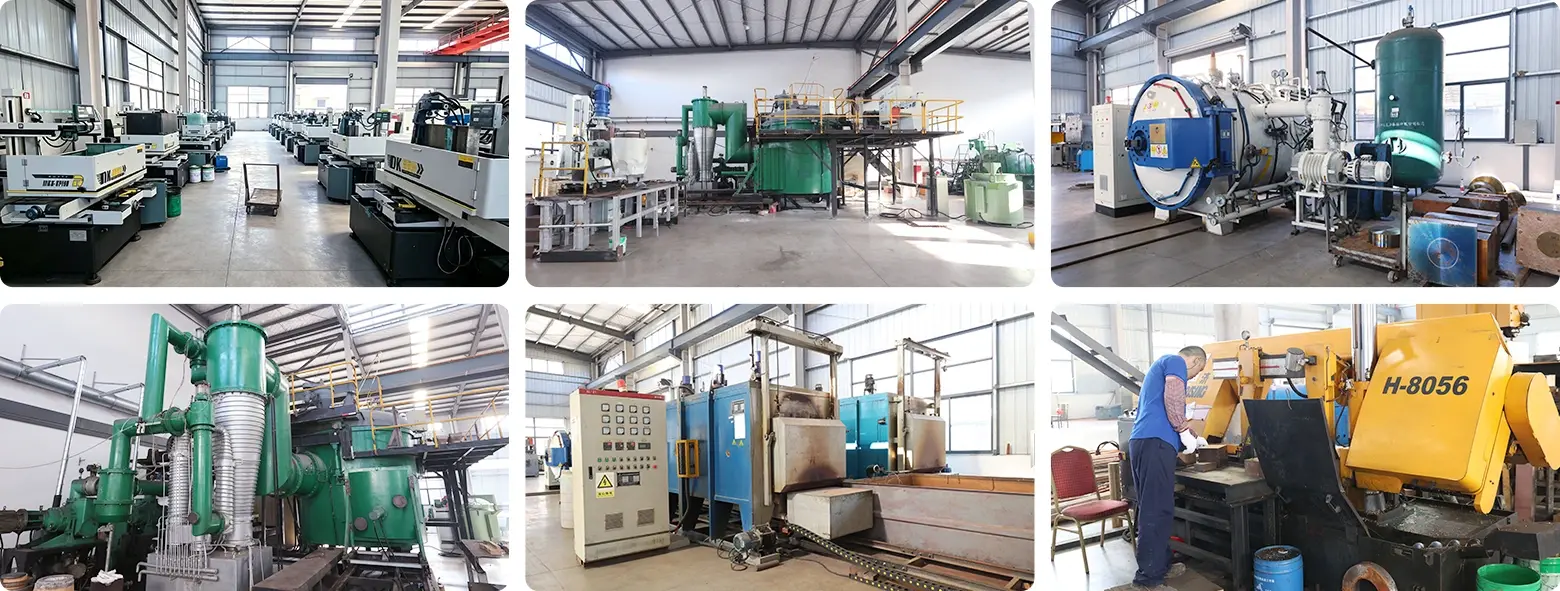
Founded in 1997, Dongguan Jiaye Dingsheng Precision Casting & Forging Co., Ltd. CW106C plates are manufactured using a fully integrated vacuum melting, precision rolling and heat treatment process. Certified to ISO 9001 and with comprehensive Mill Test Certificate (MTC) documentation to EN 10204 3.1.
What Is CW106C Copper Plate?
CW106C is the European EN designation for CuCr1Zr alloy and is equal to UNS C18150 in North America. These two designations are the same alloy, and often interchangeable amongst industrial requirements .
Standard electrolytic tough pitch (ETP) copper starts to soften at 200°C, losing hardness and structural integrity under thermal strain. Cw106c Copper Plate overcomes this issue by means of heat treatment procedure of solution annealing and artificial ageing, which brings about chromium and zirconium precipitates in the copper matrix.
This means that the material retains its mechanical qualities even at temperatures of around 500 °C and is thus the material of choice for components that are concurrently exposed to high thermal load and mechanical stress.
Chemical Composition
| Element | Content |
|---|---|
| Copper (Cu) | Balance |
| Chromium (Cr) | 0.5% – 1.2% |
| Zirconium (Zr) | 0.03% – 0.3% |
Zirconium raises the recrystallization temperature and inhibits grain growth. This directly improves thermal fatigue resistance and reduces cracking risk in cyclic heating environments.
Key Physical & Mechanical Properties
| Property | Value |
|---|---|
| Density | 8.9 g/cm³ |
| Electrical Conductivity | ≈ 80% IACS (approx. 43 MS/m minimum) |
| Thermal Conductivity | ≈ 320 W/(m·K) |
| Tensile Strength (Rm) | 370 – 540 MPa |
| Vickers Hardness (HV) | 130 – 175 (temper-dependent) |
| Softening Temperature | Up to 500°C |
| Applicable Standards | EN 12163, EN 12420, DIN 17666 |
These values position CW106C well above pure copper in strength, while retaining conductivity levels far higher than beryllium copper alternatives.
Core Performance Advantages
High Softening Resistance
CW106C retains its structure up to 500°C, while pure copper begins to lose hardness around 200°C. This is important in applications like as resistance welding and continuous casting where the localised heat is severe.
Good resistance to creep
CW106C is resistant to creep deformation under long-term mechanical loading at high temperature. This gives dimensional stability of electrode tips and mould plates throughout lengthy manufacturing runs.
Excellent Thermal Fatigue Resistance
The zirconium content limits the movement of grain boundaries during multiple heating and cooling. This characteristic is directly advantageous for components such as seam welding wheels and casting mould plates.
High electrical and thermal conductivity
CW106C conducts heat and electricity effectively at roughly 80% IACS, which is an essential requirement for welding electrodes and power switching components.
Application Scenarios
Resistance Welding Machines
Electrode Holders, Seam Welding Wheels and Spot Welding Tips CW106C is the typical material. These elements must be able to tolerate high clamping pressure and high localised heat without deformation or loss of electrical conductivity.
Continuous Casting Moulds
In the steel and non-ferrous metal casting, mould plates constructed of CW106C have quick heat dissipation during metal solidification and can withstand abrasive wear from molten metal contact.
Power Electronics & Aerospace
CW106C is used for high-stress components for switchgear, and rocket engine combustion chamber liners, where dimensional stability under cyclic thermal loading and high current densities are required.
Quality control procedure
When you buy CW106C from Dongguan Jiaye Dingsheng, each plate is subjected to a systematic inspection procedure before shipment:
- Electrical Conductivity Test (Eddy Current technique) – checks minimum 43 MS/m threshold
- Hardness Testing (HB/HV) – precipitation hardening tests successful
- Ultrasonic Inspection per ASTM E114 — internal porosity or inclusions
- OES (Chemical Analysis) - verifies exact Cr and Zr ratios
- Grain Size Measurement – guarantees fine microstructure for finish and fatigue life
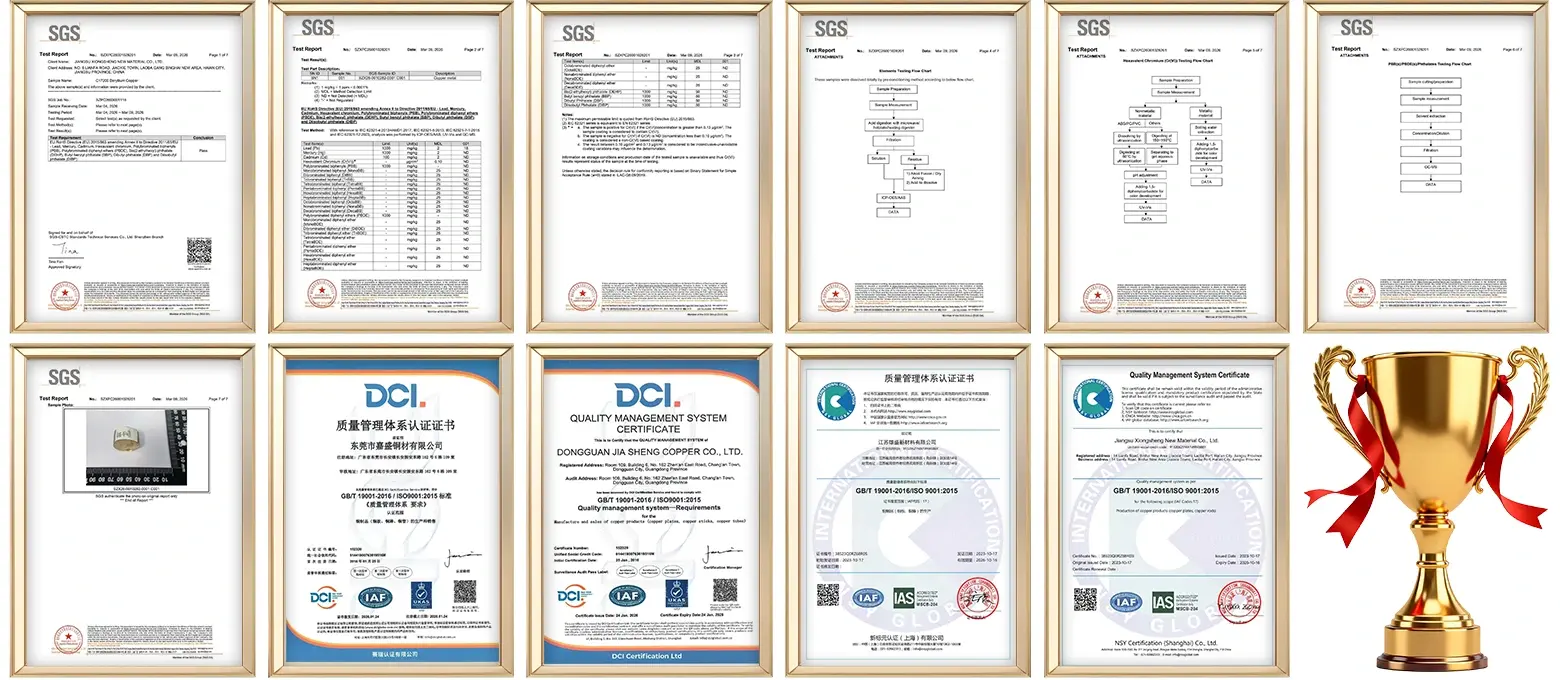
Each delivery is accompanied by a Mill Test Certificate (MTC) according to EN 10204 3.1 confirming the chemical composition, conductivity and the results of mechanical tests. Traceability of the whole material is maintained from the raw material batch to the completed product.
Certificate
Custom and Supply Options
CW106C plates may be ordered in various sizes to fit your application needs. The manufacturing team can meet customised hardness and conductivity criteria, and precise machining is available for final parts.
- Within 24 hours after receiving your quote
- Stock goods dispatched in 3-5 days
- Logistics support: Sea freight, Air freight, and complete customs paperwork
- Materials are RoHS and REACH compliant
Frequently Asked Questions
Q1: What temperature is CW106C when it begins to soften?
A1: CW106C has good mechanical characteristics up to ~500°C. 200°C is about where standard ETP copper starts to soften.
Q2: What is the difference between CW106C and C18150?
A2: European (EN) designation is CW106C. Equivalent North American (UNS) designation is C18150. Both are CuCr1Zr alloy and are largely interchangeable for most industrial standards.
Q3: Can I get plates in bespoke thicknesses and sizes?
A3: Yes. Custom dimensions, hardness standards and precision machined components are available. Please send the team your sketch or requirements for a bespoke estimate.
Q4: Is CW106C hard to machine?
A4: It has good machinability at around 20–30% of free-cutting brass. Use high-grade carbide tooling to ensure tight tolerances on all cutting operations.
Q5: What should I ask for in terms of certificates when buying?
A5: Order a Mill Test Certificate (MTC) as per EN 10204 3.1 including chemical composition, electrical conductivity and mechanical test data such as hardness values.
Contact Us
Need a quote or technical consultation for Cw106c Copper Plate? Email js01@jstongcai.com.cn — response within 24 hours.