Sep 5, 2026
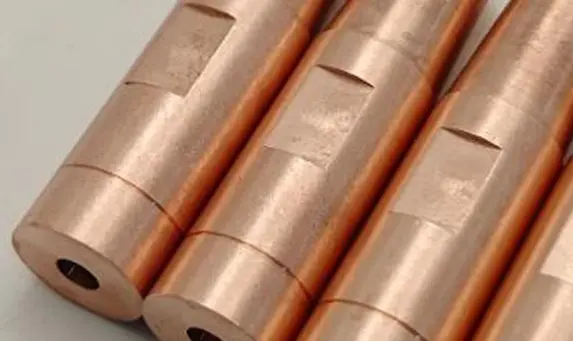
Mass Delivery of C18150 Chromium Zirconium Copper Electrodes for New Energy Vehicle Battery Welding
Client: A new energy power battery manufacturer
Application: Resistance spot welding electrodes for aluminum terminals and nickel busbars in power battery modules, requiring 50,000 consecutive welds without dressing
Client's Pain Points:
The client previously used C18200 chromium copper electrodes (zirconium-free). After 8,000 welds, pitting deformation appeared on the end face, and the weld tensile shear force dropped from 850N to 520N, falling below the 600N acceptance line, with a rework rate of 12% due to cold welds. Severe aluminum sticking required machine stoppage for dressing every 3,000 points, resulting in an OEE of only 68%. The C18150 bars previously purchased had composition segregation (Cr content fluctuated irregularly within 0.5–1.2% without consistent batch-to-batch control), hardness variation, and poor dimensional consistency.
Solution:
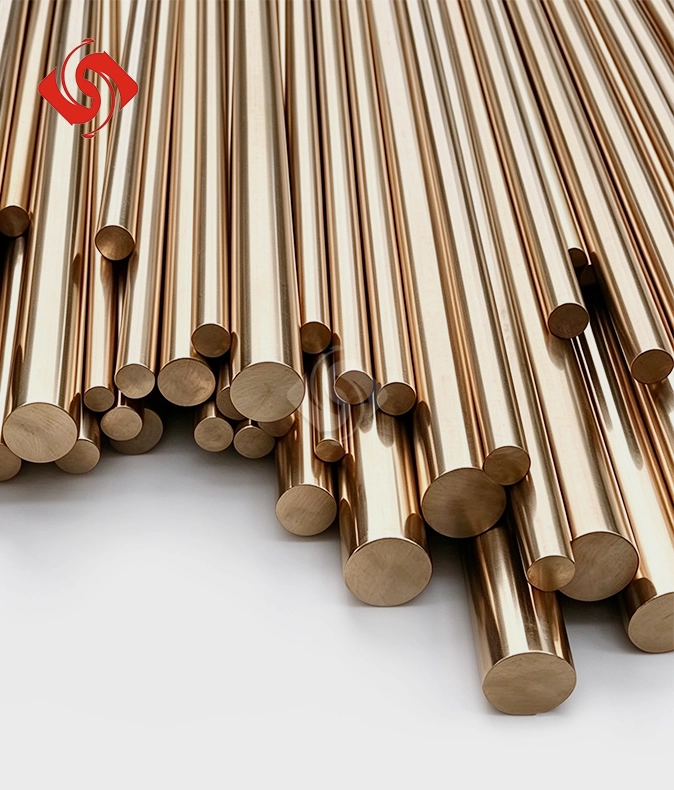
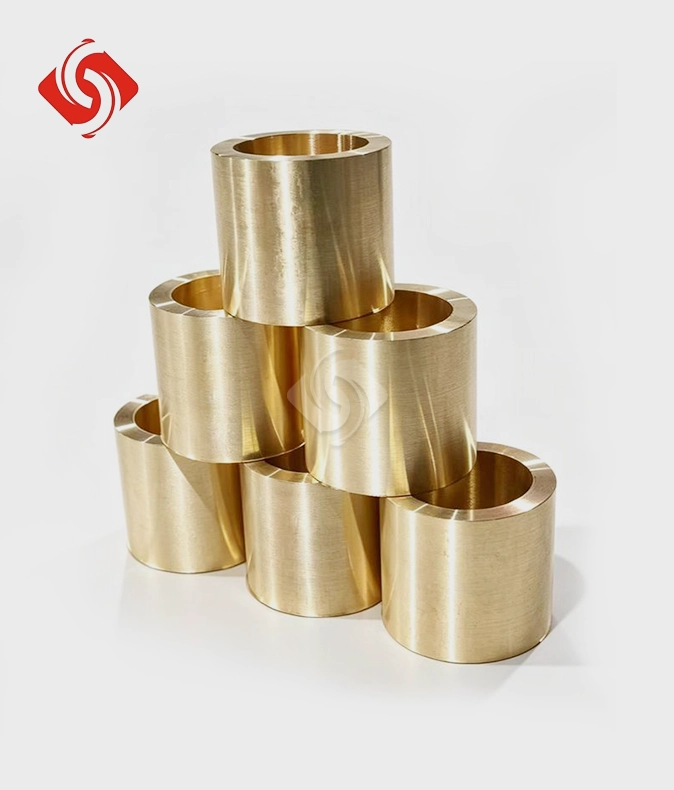
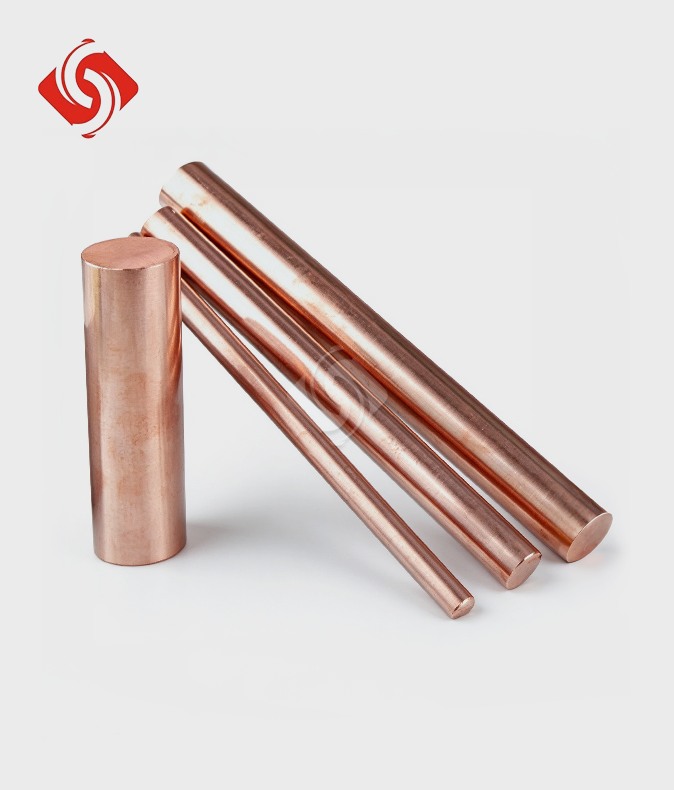
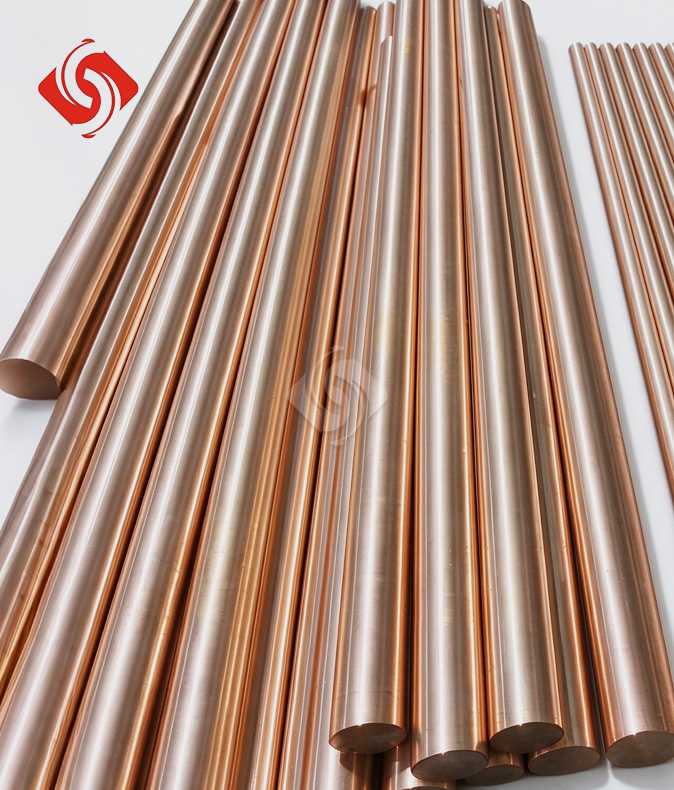
Our team supplied C18150 chromium zirconium copper forged bars (Cr 0.5–1.2%, Zr 0.05–0.25%). The process involved 800kg vacuum melting to ensure uniform Cr and Zr composition, 5-ton pneumatic hammer upsetting and forging, solution treatment at 950°C × 1h → precision turning → aging at 475°C × 4h → end face precision grinding. Hardness was stable at HRB 75–83, conductivity ≥ 75% IACS, and softening temperature above 480°C. Each batch was delivered with full inspection reports covering composition, hardness, and conductivity. Finished electrodes with internal cooling holes can be supplied per client drawings.
Results:
- Electrodes achieved 50,000 consecutive welds without dressing, end face wear ≤ 0.05mm
- Weld tensile shear force stable above 800N, rework rate reduced from 12% to 1.5%
- OEE improved from 68% to 89%
- Monthly stable delivery: 500 finished electrodes, repeat orders for 4 consecutive batches
Online Message