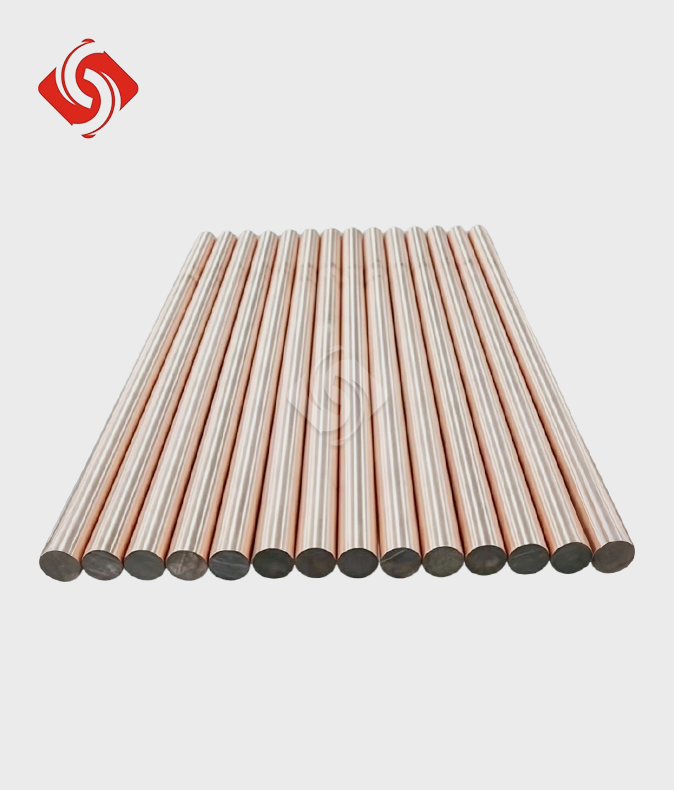
C18150 Copper Rod Resistance Welding
Grade: UNS C18200 / CuCr1 / DIN 2.1291 / RWMA Class 2
Application Focus: Resistance Welding Electrodes, Spot Welding Tips, & Seam Wheels
Standards: ASTM B249, RWMA Class 2, ISO 5182
Size Range: Diameter 5mm - 200mm, Custom Lengths and Cut-to-Size Available
Temper Condition: Solution Treated & Age-Hardened (TF00), or Cold-Worked & Aged (TH04)
Core Purpose: High Electrical Conductivity (80-85% IACS) and Softening Resistance for Automated Welding
Quality Assurance: ISO9001:2015, RoHS Compliant, MTC 3.1 Certified
Description
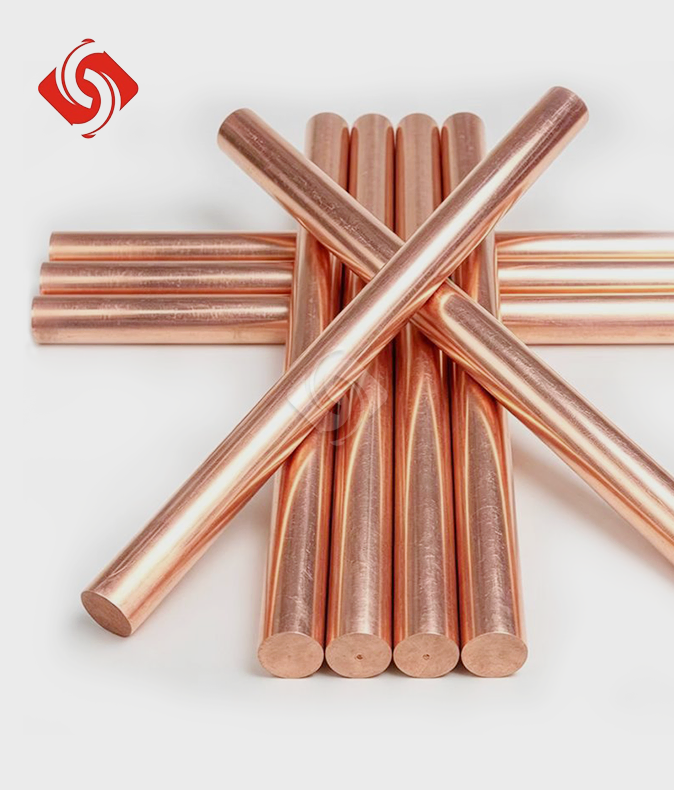
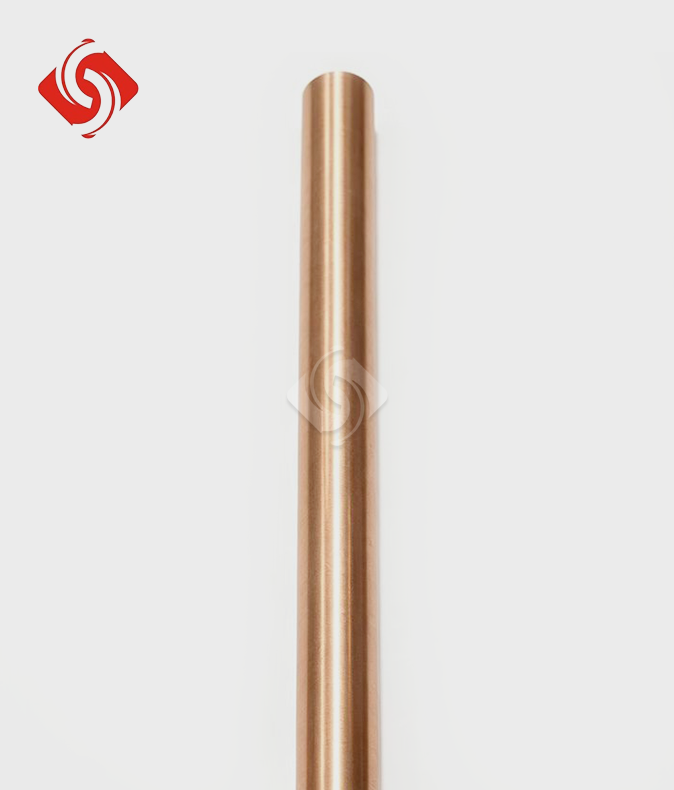
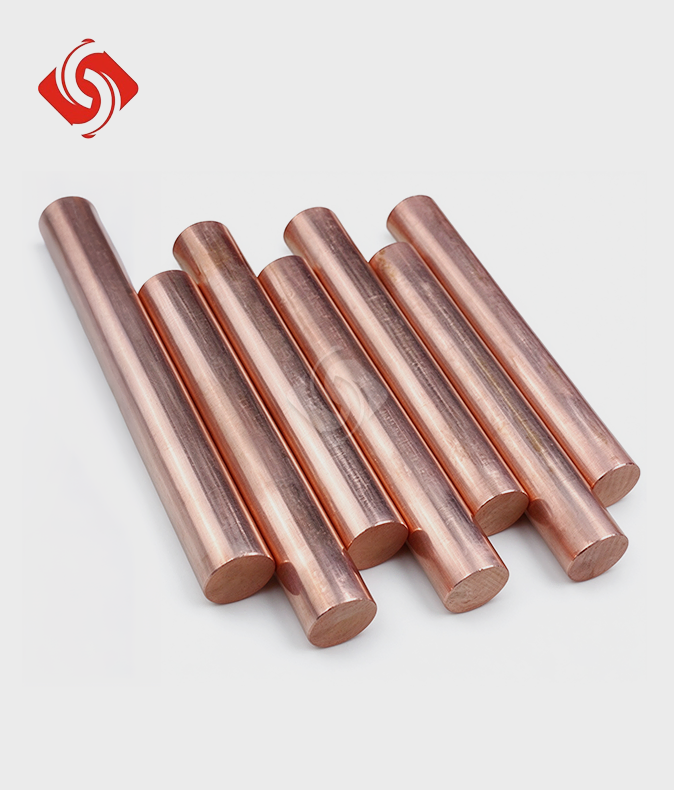
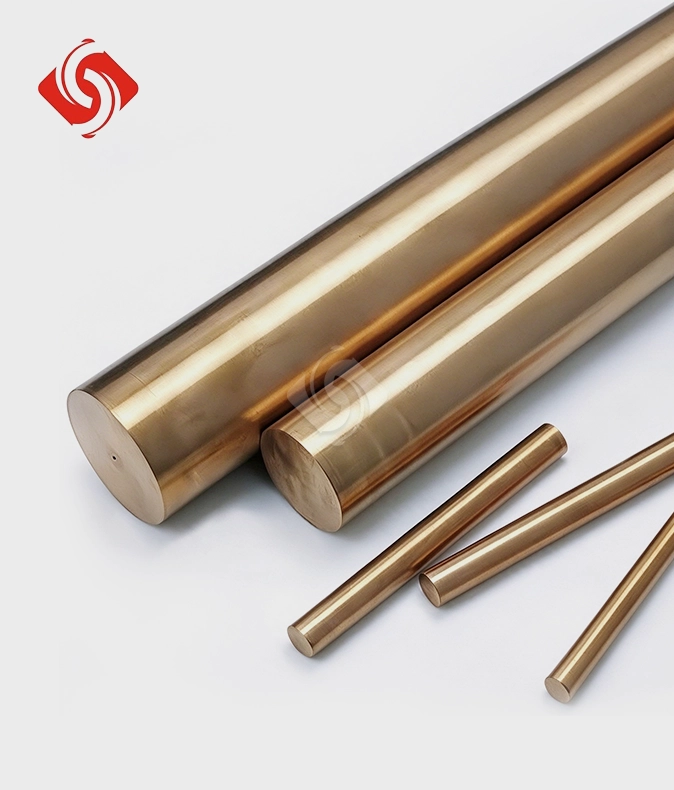
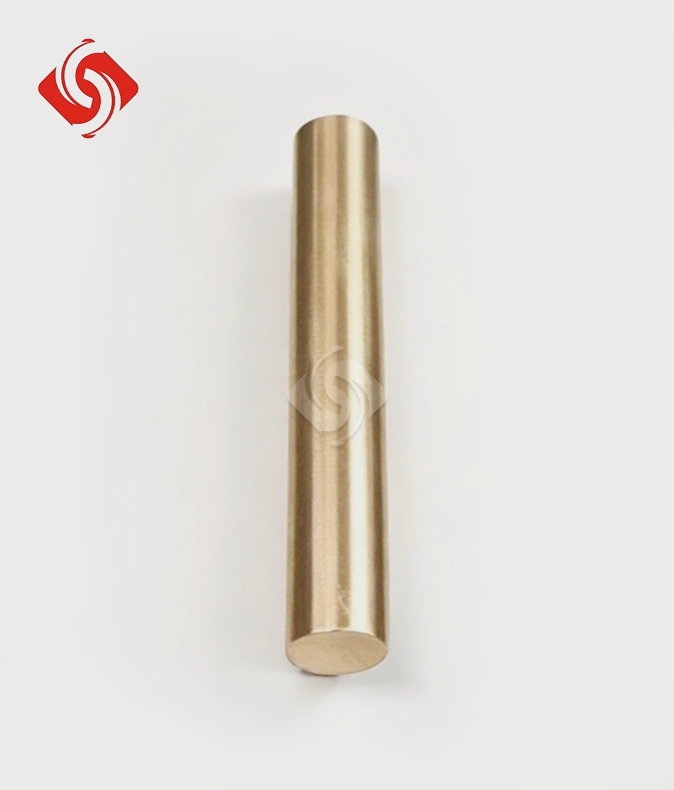
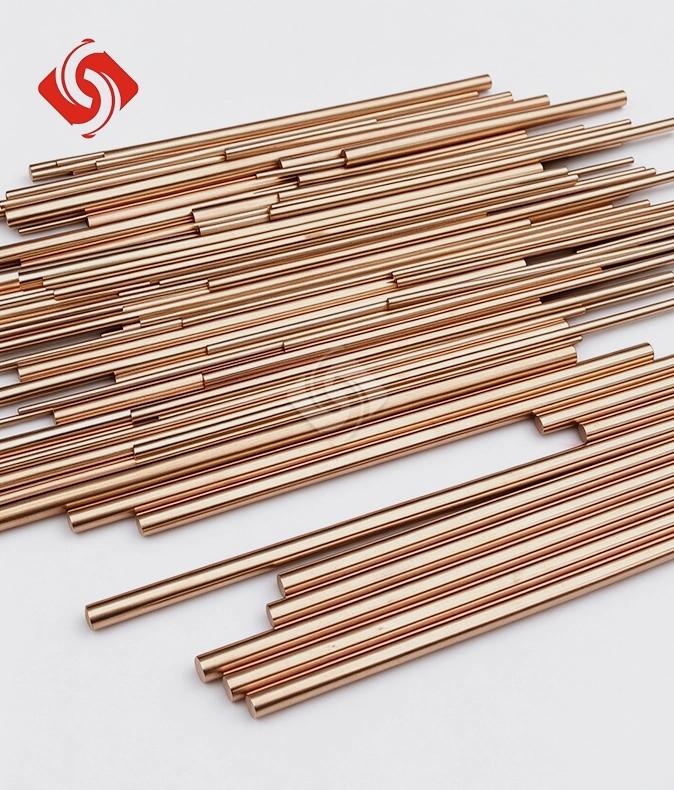
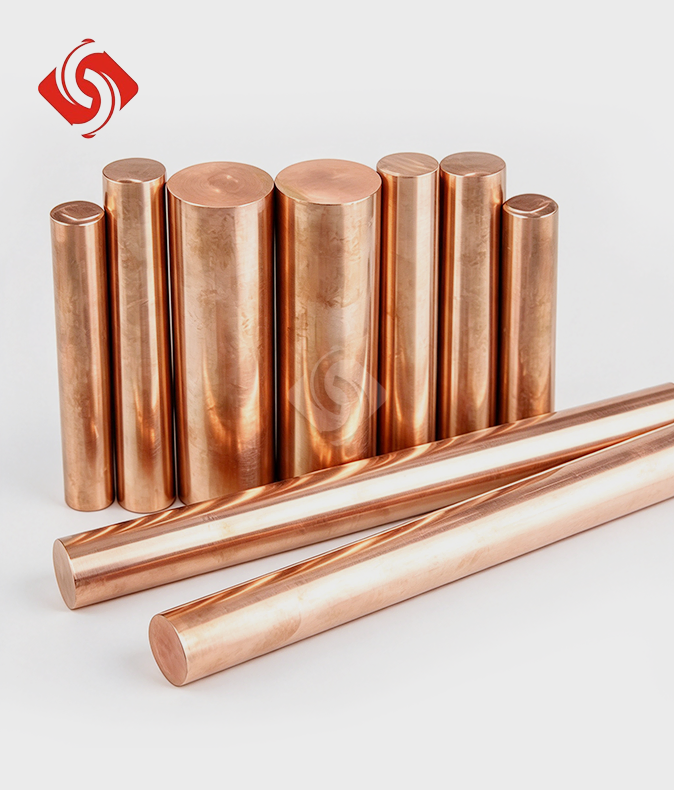
C18150 Copper Rod Resistance Welding — Chromium Zirconium Copper for High-Performance Electrode Applications
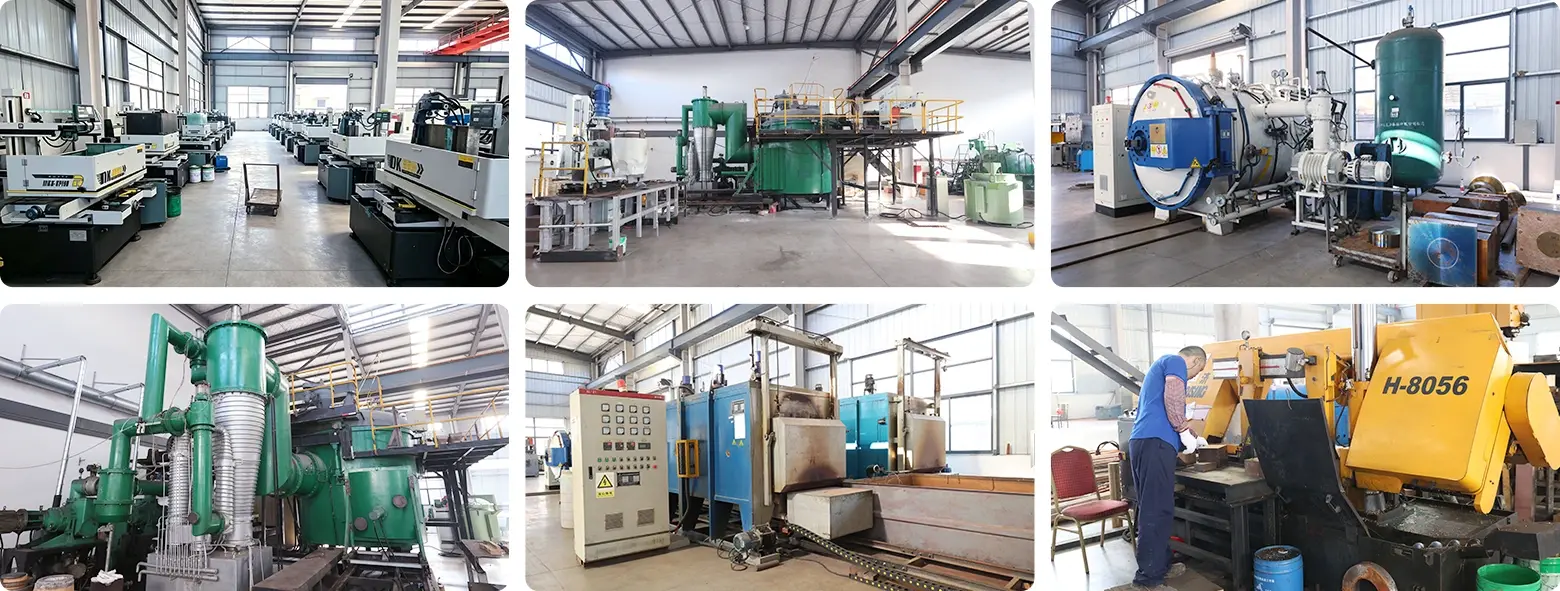
C18150 Copper Rod Resistance Welding is a very popular RWMA Class 2 electrode material, produced from CuCr1Zr alloy. Material has 0.6 - 1.2% of chromium and 0.03 - 0.3% of zirconium, conductivity of ≥80% of IACS and tensile strength over 450 MPa. Dongguan Jiaye Dingsheng was founded in 1997, which is a manufacturer of rods made by vacuum melting and ageing hardening according to the ASTM B929 standard.
The product is suitable for automobile welding, wire mesh processing and EV battery assembly situations, available in diameters from 5–200 mm and bespoke lengths.
What Is C18150 Chromium Zirconium Copper Rod?
C18150 Copper Rod Resistance Welding is a low alloy chromium zirconium copper material. Chromium creates stable precipitates after ageing to enhance the hardness to 75-83 HRB. Zirconium raises the temperature at which the material softens to 500°C and prevents zinc from adhering during galvanised steel welding. It has steady performance in high-speed and long-cycle welding production compared with single-component C18200 copper alloy.
Technical Specifications
| Parameter | Value |
|---|---|
| Grade | UNS C18150 / CuCrZr / RWMA Class 2 |
| Chromium Content | 0.6 – 1.2% |
| Zirconium Content | 0.03 – 0.3% |
| Copper | Balance |
| Electrical Conductivity | ≥80% IACS |
| Thermal Conductivity | 320 – 340 W/m·K |
| Hardness | 75 – 83 HRB / 135 – 160 HV |
| Tensile Strength | ≥450 MPa |
| Yield Strength | 400 – 550 MPa |
| Softening Temperature | Up to 500°C |
| Temper Condition | TF00 (Solution Treated & Age-Hardened) / TH04 (Cold-Worked & Aged) |
| Diameter Range | 5 mm – 200 mm |
| Standards | ASTM B929, RWMA Class 2, ISO 5182 |
| Quality Documentation | EN 10204 3.1 Mill Test Certificate (MTC) |
Key Performance Advantages
High temperature deformation resistance: Stable grain structure eliminates electrode mushrooming during continuous high-pressure welding, which reduces equipment maintenance downtime.
Stable current transmission: Conductivity of more than 80% IACS reduces the buildup of heat in welding, stabilises the uniformity of welding spots and facilitates cyclic production with high efficiency.
Anti-sticking property: Zirconium element separates zinc alloying on the galvanised steel surface, increasing electrode life in automobile welding lines.
steady machining performance: Uniform microstructure enables steady cutting, turning and threading effects for electrode finishing processes.
Application Scenarios
This alloy is widely used in automotive body robotic spot welding for galvanized steel connection. It adapts to high-cycle wire mesh cross welding to keep dimensional stability. It also applies to EV battery tab precision welding for fast heat dissipation, and can be processed into conductive contact parts for high-voltage switchgear equipment.

Quality Control Process
We implement three-stage full-process quality control. Raw materials pass OES spectral analysis to verify alloy content. Production parameters and grain structure are monitored in real time. Finished products undergo conductivity testing, cross-section hardness inspection, ultrasonic flaw detection and dimensional calibration. All batches are delivered with complete traceable test certificates.
Supply and Customization
We provide 5–200mm diameter rods with custom cutting service, supporting TF00 and TH04 two temper states. In-stock goods ship within 3–5 days, with 24-hour quick quotation for custom orders. We support full export logistics and document services, and can customize hardness, conductivity and finished electrode blanks per customer requirements.
Frequently Asked Questions
Q1: What is the difference between C18150 and C18200?
A1: C18150 contains zirconium for higher temperature resistance and anti-sticking performance, suitable for galvanized steel welding. C18200 has cost advantages for ordinary welding scenarios.
Q2: What cooling method is required for C18150 electrodes?
A2: Internal water cooling is required to avoid over-temperature softening and electrode deformation during continuous welding.
Q3: What quality documents can be provided?
A3: EN 10204 3.1 MTC reports including composition, hardness, conductivity and ultrasonic testing data are available.
Q4: Is it applicable for aluminum welding?
A4: Yes, matched electrode shapes and regular maintenance are required to avoid alloy adhesion affecting welding quality.
Q5: What standards do the products comply with?
A5: They meet ASTM B929 and RWMA Class 2 standards, with ISO 9001, RoHS and REACH certification.
Contact Us
Submit your technical parameters and quotation demands forC18150 Copper Rod Resistance Welding via js01@jstongcai.com.cn, and our team will reply and provide professional solutions within 24 hours.
Online Message