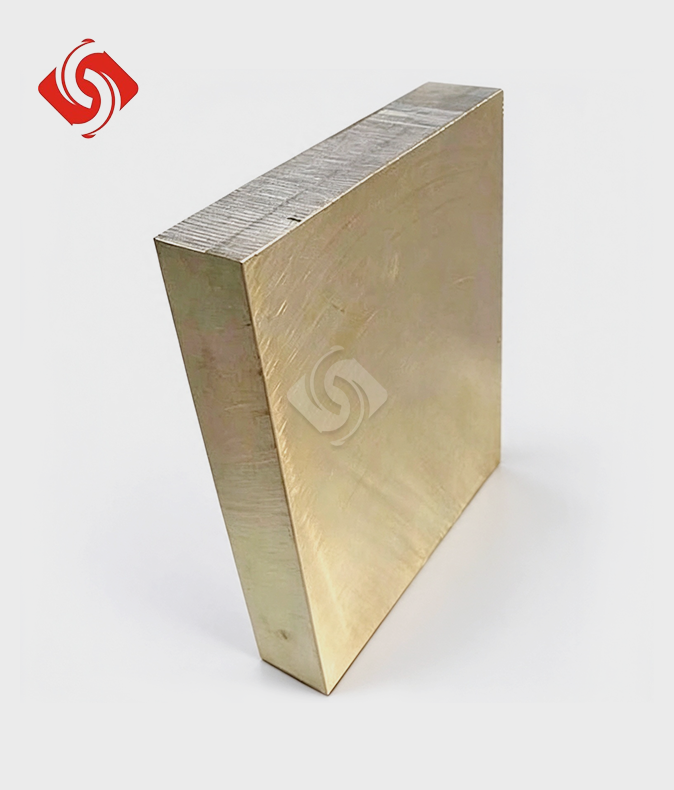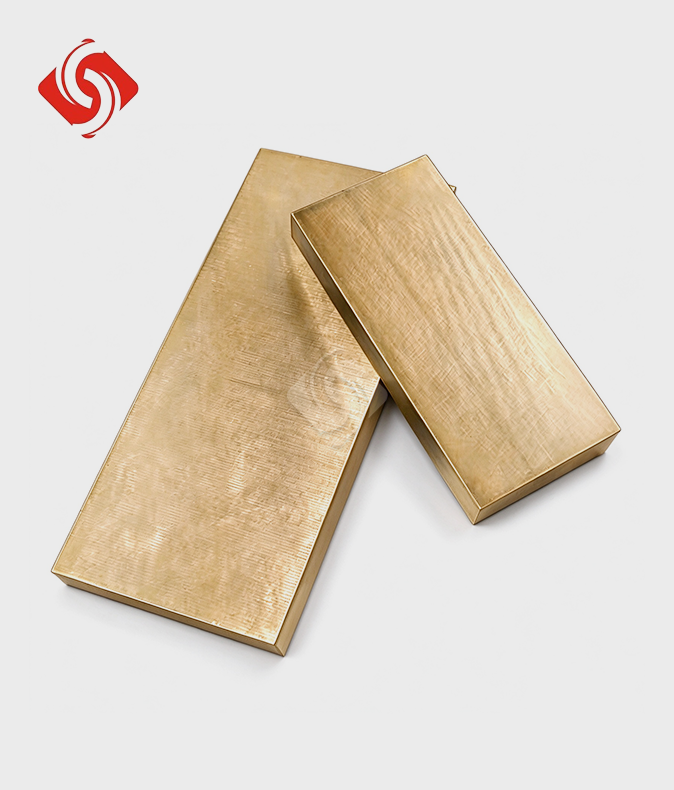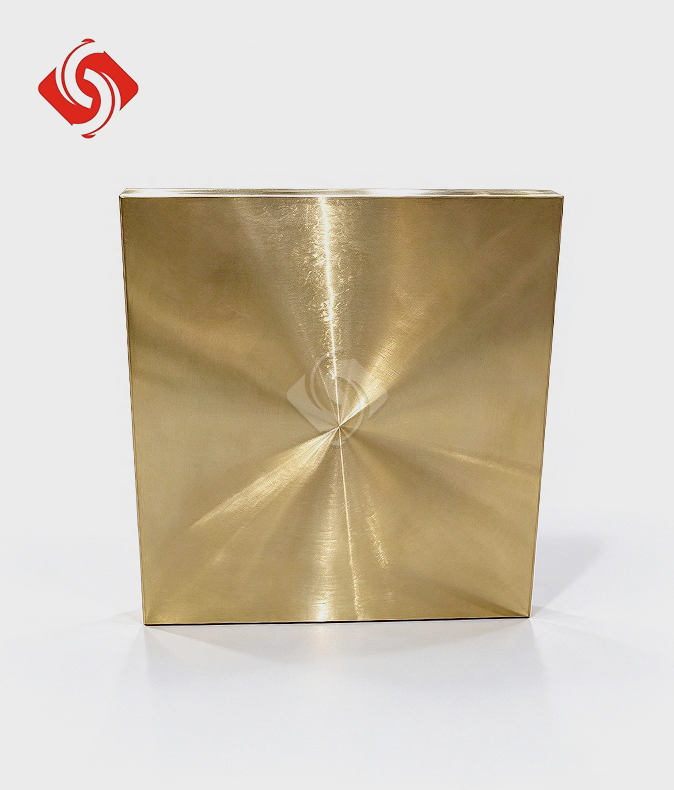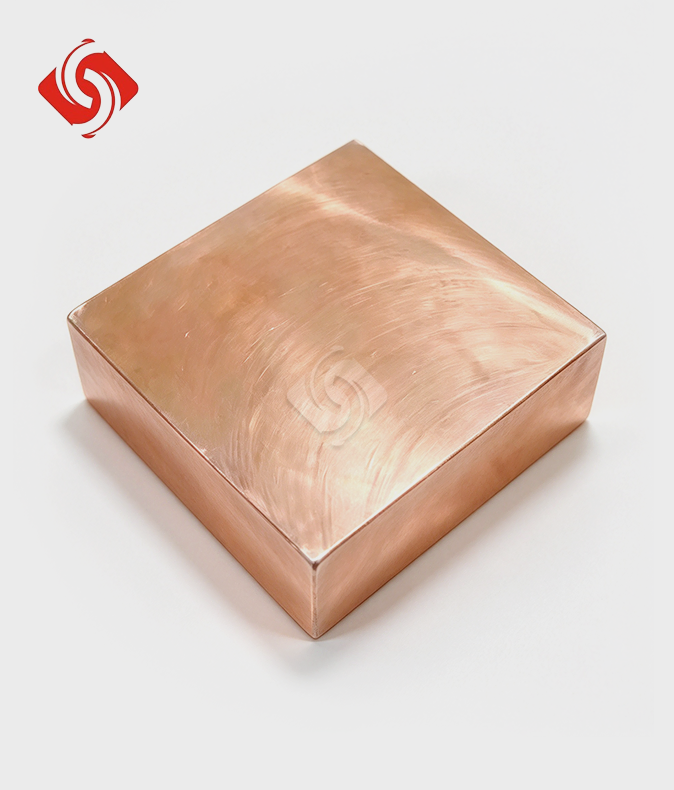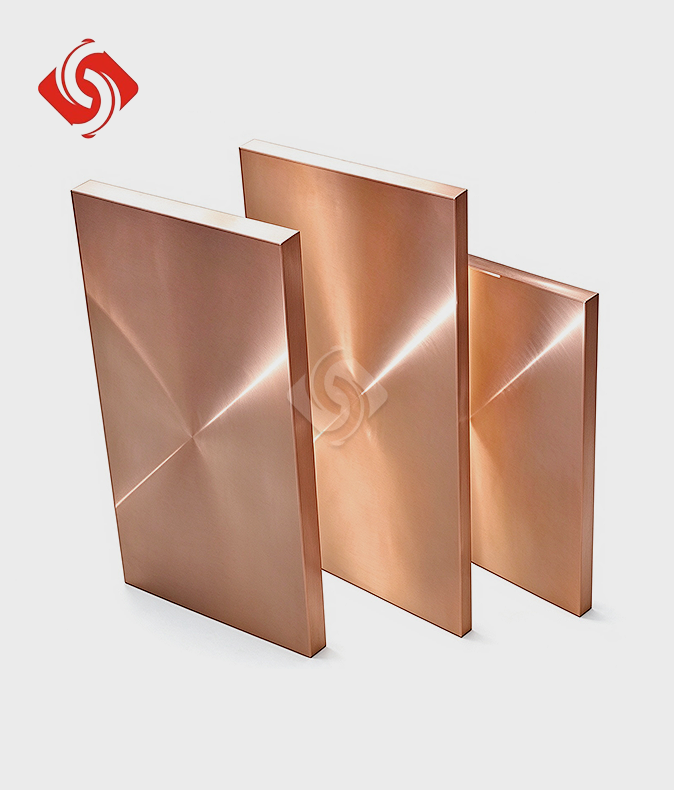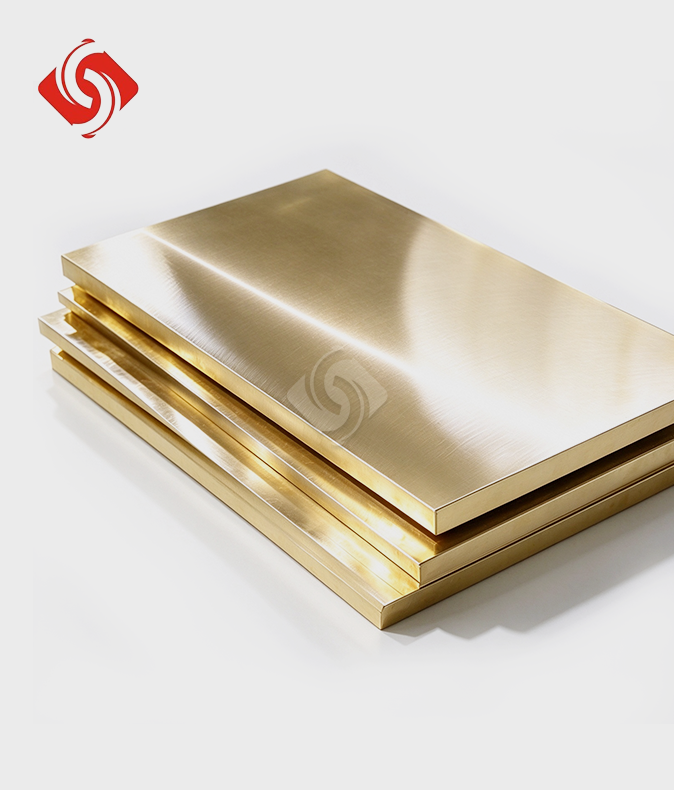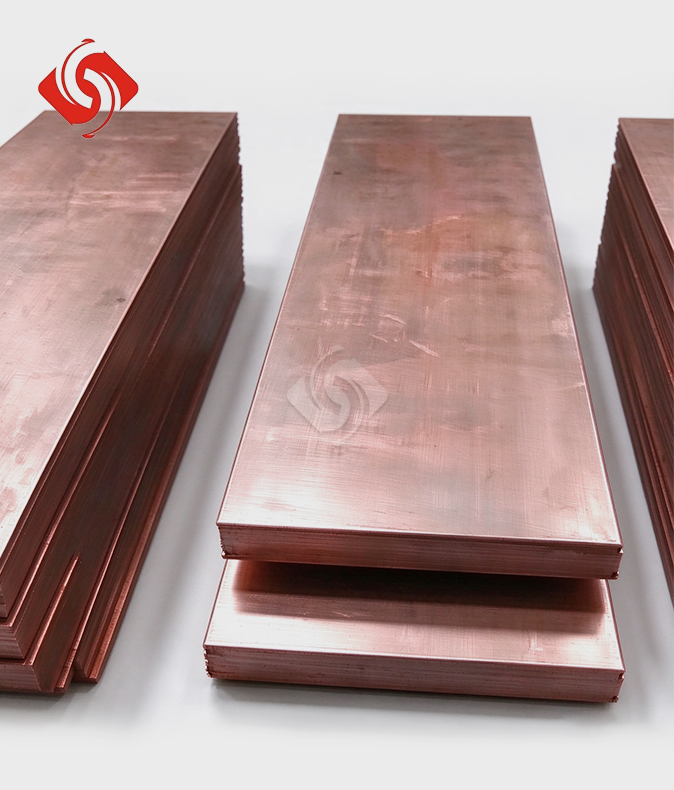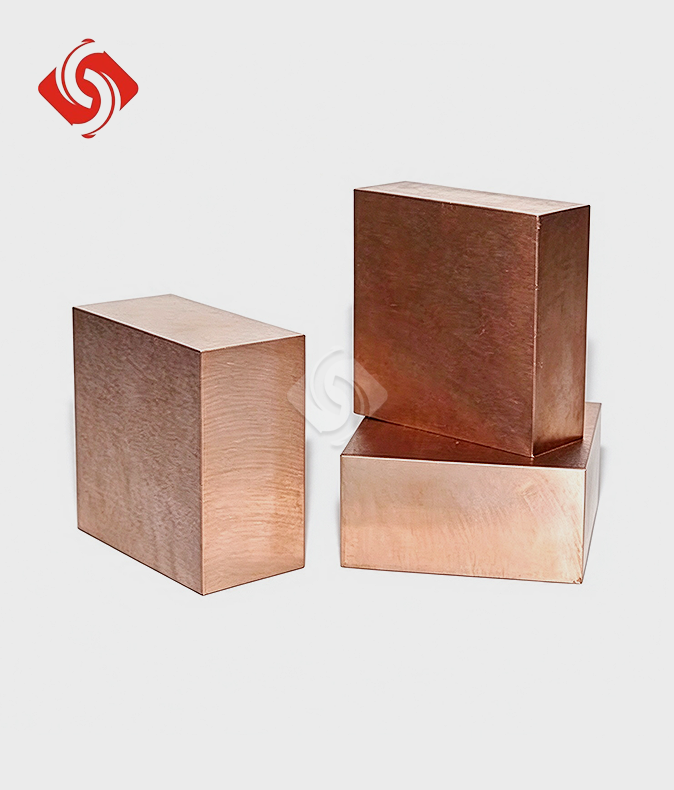
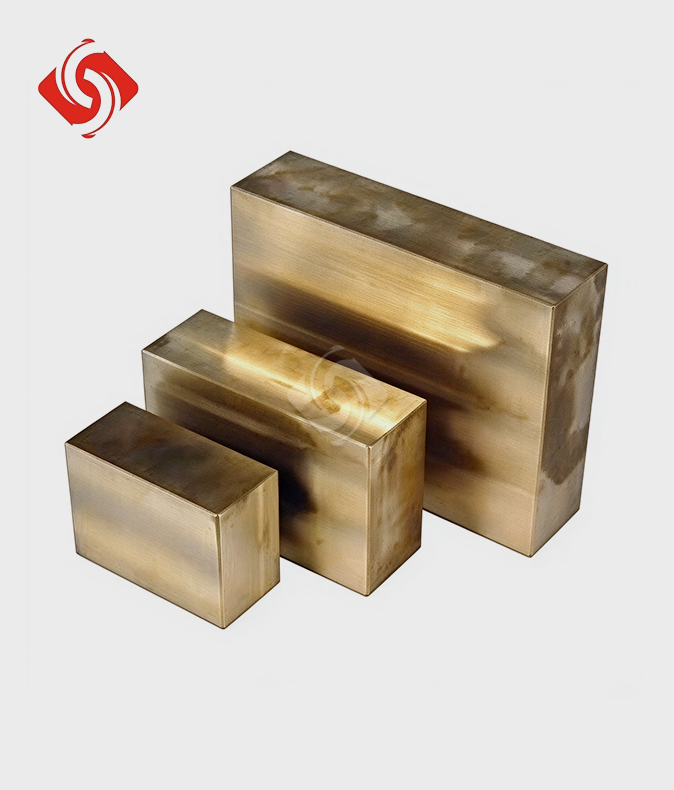
Nickel Aluminum Bronze Plate
Grade Equivalents: UNS C17200 / CuBe2 / Alloy 25 / RWMA Class 4 / EN CW103C
Application Focus: Heavy-Duty Spring Plates, Diaphragms, Retaining Rings, Shims, & Mold Components
Executive Standards: ASTM B194, ISO 5182 Specifications
Size Range: Precision Thickness 5.0mm (Tolerance ±0.15mm), Custom Width & Length Cut-to-Size
Temper Condition: Solution Heat-Treated & Age-Hardened (TF00 / AT) or Cold-Rolled Tempers
Core Purpose: Ultimate Mechanical Strength, High Fatigue Endurance, and Structural Stability at 5.0mm Thickness
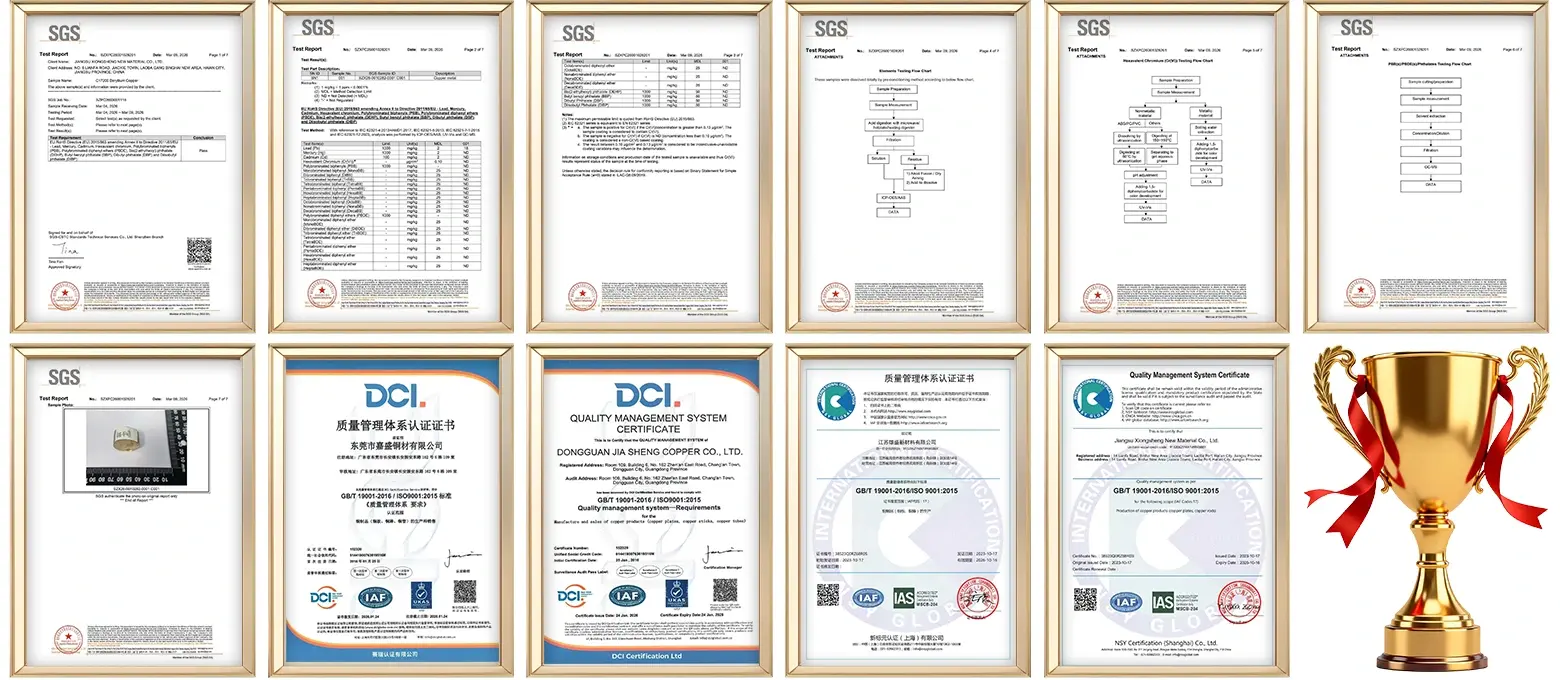
Quality Assurance: ISO9001:2015, RoHS Compliant, MTC 3.1 Certified
Description
Nickel Aluminum Bronze Plate for Marine & Industrial Applications
A robust copper-based alloy, Nickel Aluminum Bronze Plate is intended for prolonged usage in high-load, corrosive conditions. It satisfies ASTM B171 and C95800 standards with 150–200 HB hardness and 600–750 MPa tensile strength. 9–12% aluminium, 4–6% nickel, 4–5% iron, and manganese make up its composition.
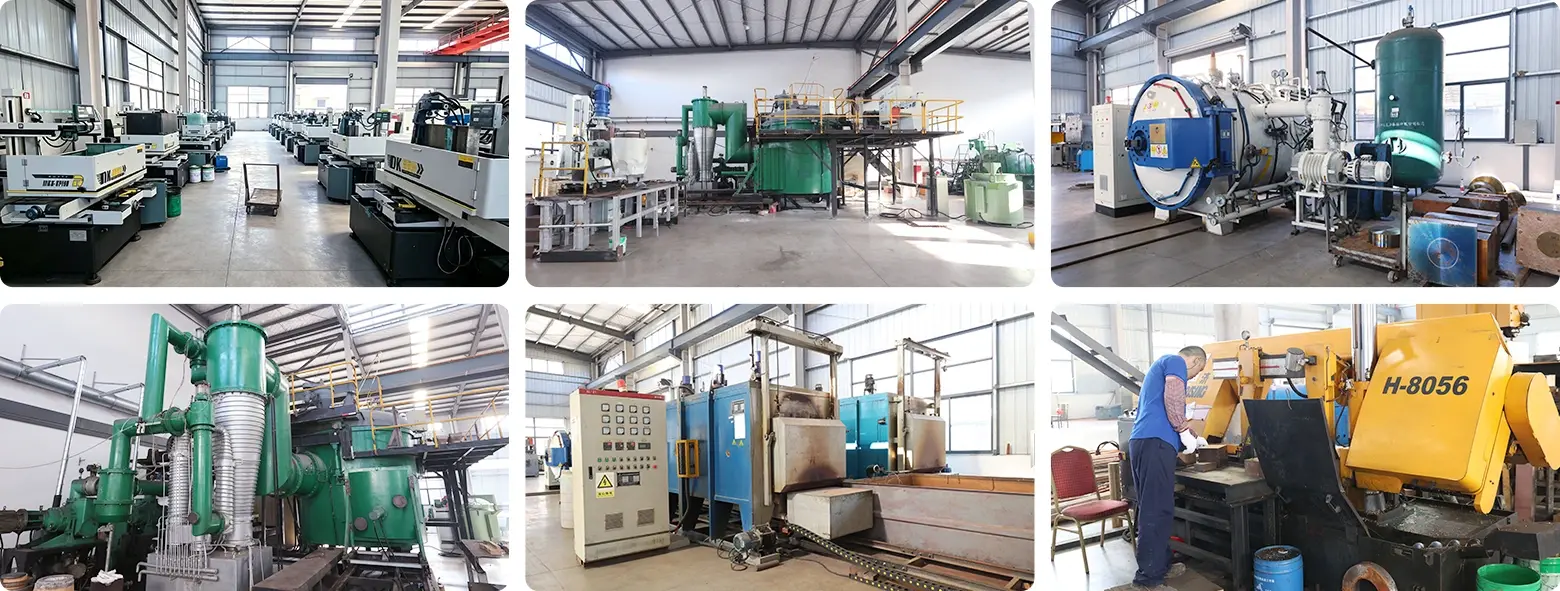
Dongguan Jiaye Dingsheng Precision Casting & Forging Co., Ltd. has been producing copper alloys for over 25 years. From vacuum melting to the final OES inspection, we maintain total metallurgical control. For full batch traceability, EN 10204 3.1 mill test certificates are included with every shipment.
What Is a Nickel Aluminum Bronze Plate?
It performs better than conventional bronze alloys. The alloy's nickel and aluminium combine to create a thick, self-healing layer of aluminium oxide on the surface. In saltwater and chemical environments, regular bronze and 316L stainless steel are vulnerable to cavitation erosion, marine biofouling, and chloride pitting. By offering long-term corrosion resistance and mechanical strength similar to steel for structural applications, this protective layer averts such failures.
Technical Specifications
| Parameter | Value / Range |
|---|---|
| Applicable Standards | ASTM B171, ASME SB171 |
| Common Alloy Designations | C95800, C95500 |
| Aluminum (Al) Content | 9 – 12% |
| Nickel (Ni) Content | 4 – 6% |
| Iron (Fe) Content | 4 – 5% |
| Manganese (Mn) | Present (balance control) |
| Tensile Strength | 600 – 750 MPa |
| Yield Strength | ~300 MPa |
| Hardness | 150 – 200 HB |
| Max. Service Temperature | ~300°C |
| Magnetic Permeability | Low (non-magnetic behavior) |
| Thermal Conductivity | Excellent |
Key Material Properties
Nickel Aluminum Bronze Plate has constant mechanical performance, which is different from typical structural material. It does not gall when compressed and rubbed. The maximum tensile strength is 750 MPa and hardness is 200 HB. Even in poor lubrication conditions. The 300 MPa yield strength guarantees a stable elastic behaviour under cyclic load.Low magnetic permeability fits the application requirements of naval precision equipment. The internal microstructure of the kappa-phase impedes dealuminification, therefore minimising the chances of material failure in the long run.
Where This Plate Is Used
It is used commonly in maritime and offshore applications for desalination and seawater heat exchanger tube sheets, because of its resistance to saltwater corrosion at high speed. Used for naval defence applications, structural panels and non-magnetic underwater valve parts without additional coating treatment.Used in aerospace and heavy equipment for wear plates, bushings and pump impellers that must accommodate long-cycle compression and cavitation service.
Quality Control Process
All finished plates undergo five standard inspection procedures, including OES chemical composition verification, ASTM A388 ultrasonic internal defect detection, microstructure analysis, mechanical performance testing and surface crack dye penetrant inspection. Each batch is attached with complete test reports and realizes full production batch traceability.
Customization & Supply Capabilities
We provide size customization and surface treatment services according to customer drawings. Standard products are in stock for 3–5 day delivery, and custom orders support 24-hour quotation. We provide complete customs documents for sea and air freight. CNC machining service is available for customized blanks like flanges and valve bodies.
Why Choose Our Nickel Aluminum Bronze Plate
Consistent grain structure, stable composition, and exact dimensional tolerance are guarantyd by our whole in-house production process, which includes vacuum melting, rolling, heat treatment, and final inspection. Our ISO 9001 certification, RoHS, and REACH compliance allow us to meet the criteria of traditional procurement audits.
FAQ
Q1: Why is this plate more suitable for seawater use than 316L stainless steel?
A1: 316L stainless steel is prone to pitting and crevice corrosion in seawater, while this alloy forms a self-repairing oxide layer and restricts marine biofouling.
Q2: Is welding available for this alloy plate?
A2: Yes. GMAW and GTAW welding with ERCuNiAl filler metal is applicable. Preheating is recommended for plates over 25mm to prevent cracking.
Q3: What is the maximum continuous working temperature?
A3: The material keeps stable mechanical properties under long-term working temperature up to 300°C.
Q4: Does the material resist cavitation erosion?
A4: Yes. Its hardness and surface oxide structure deliver stable cavitation resistance for fluid handling components.
Q5: What certification documents are provided for each order?
A5: Each shipment is supplied with EN 10204 3.1 MTC reports, including composition and mechanical data with complete batch traceability.
Contact Us
If you have purchasing and customization demands forNickel Aluminum Bronze Plate, please send your detailed drawings and technical specifications to js01@jstongcai.com.cn.