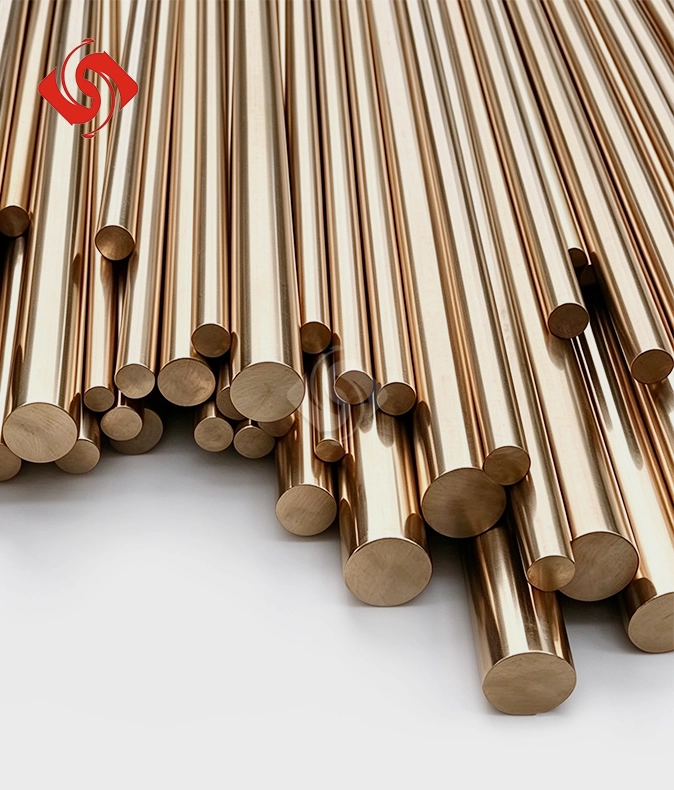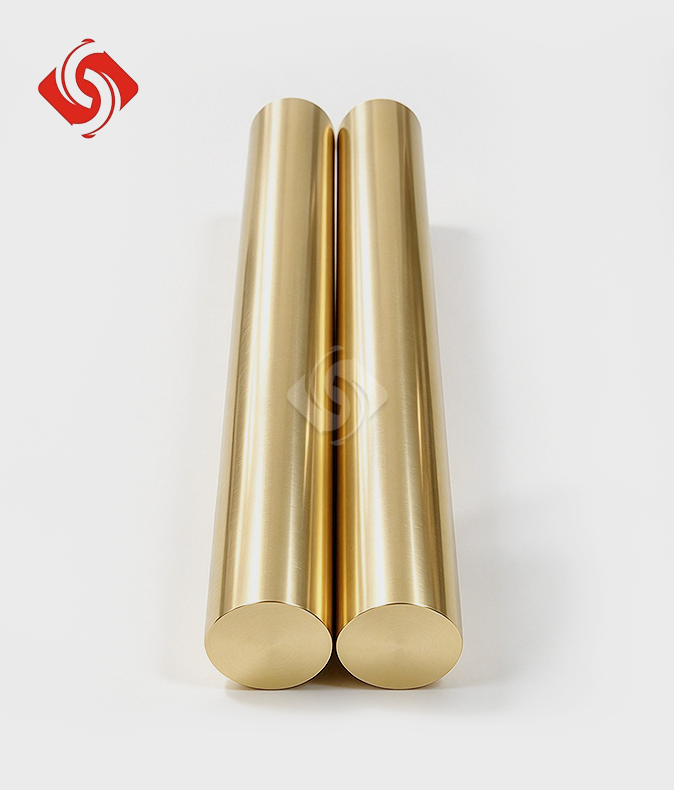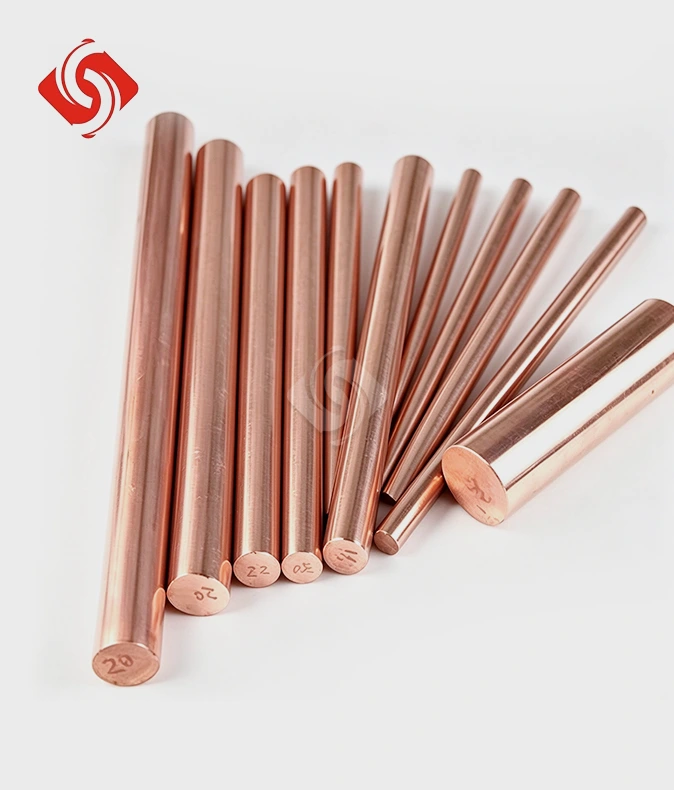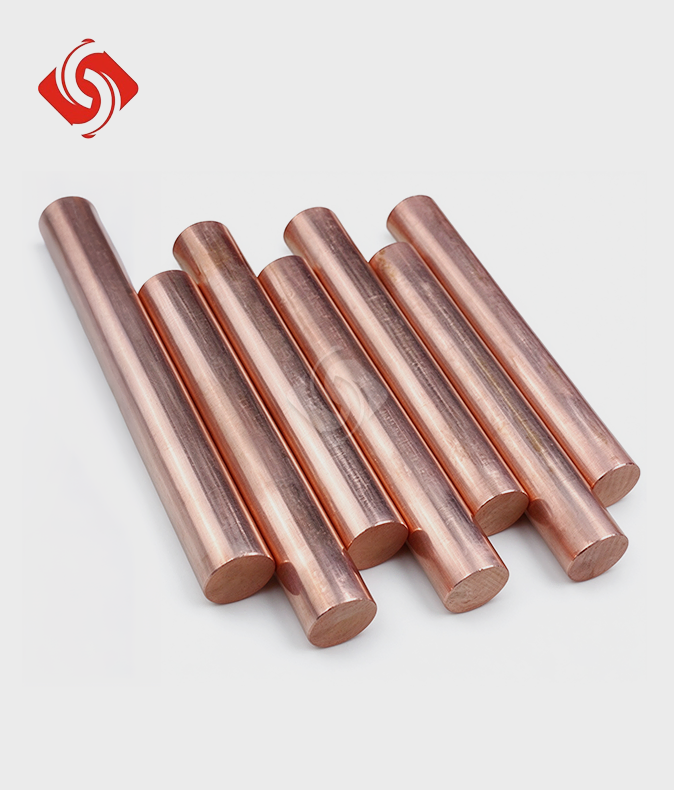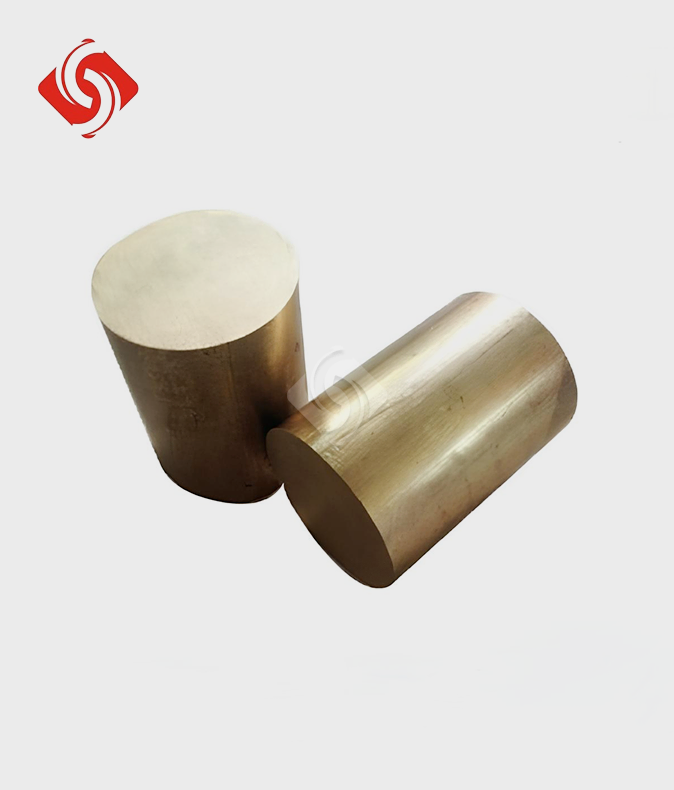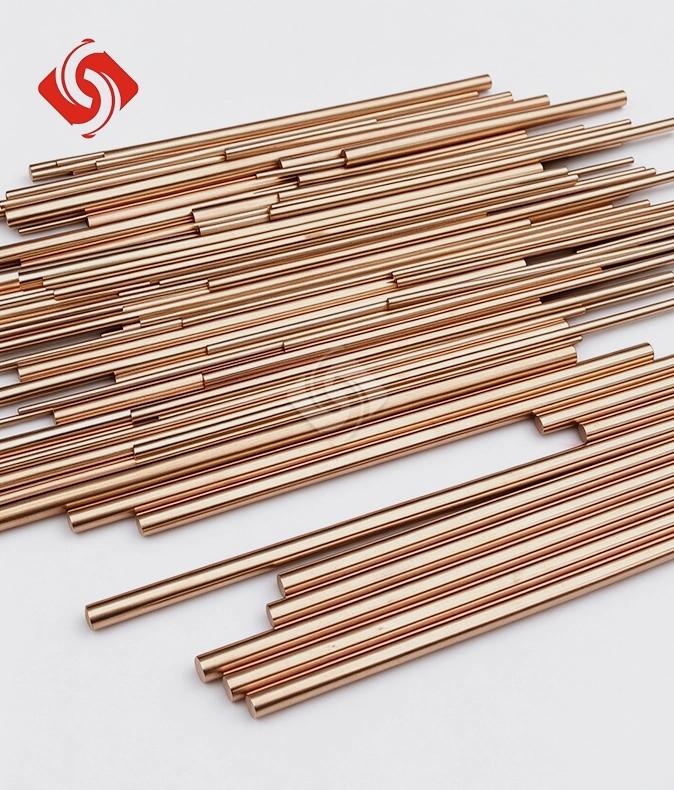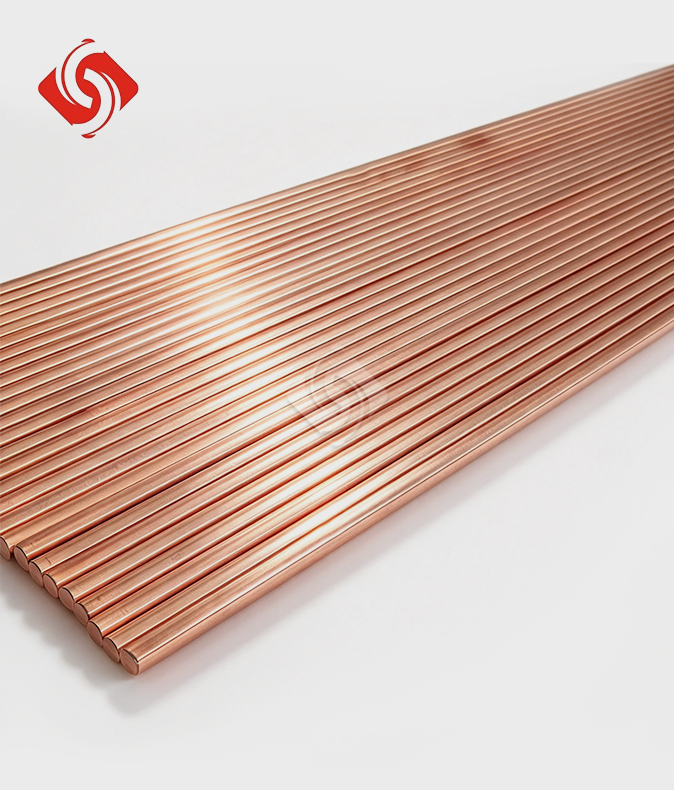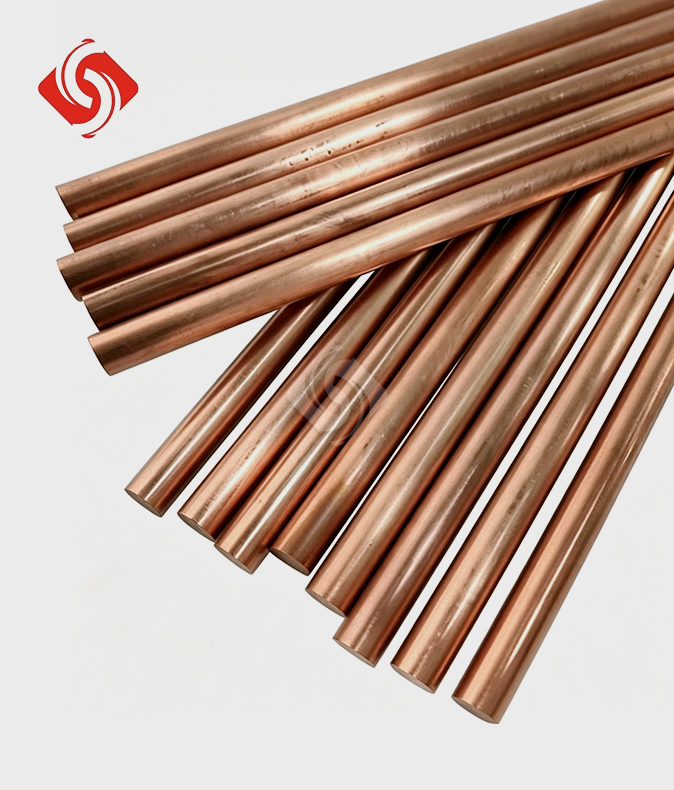
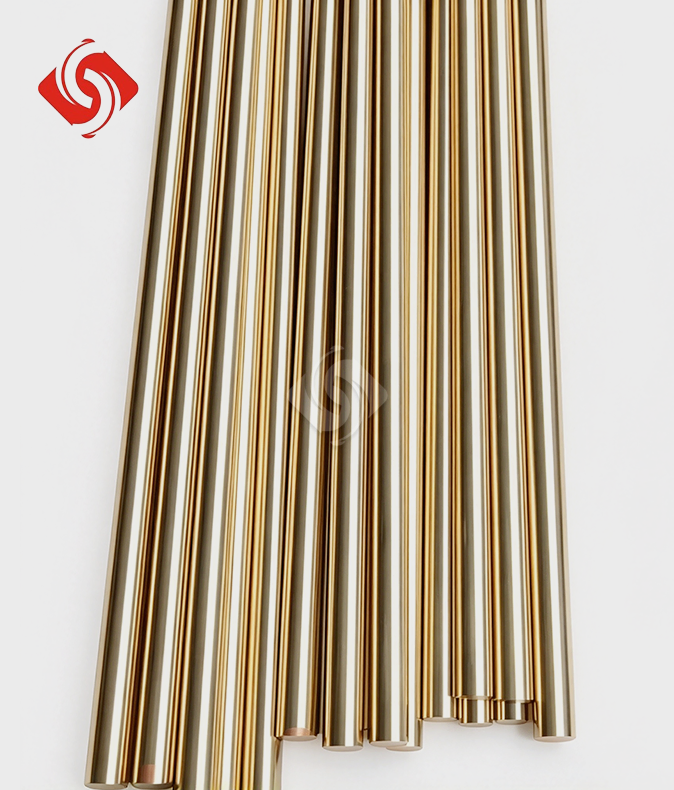
Aluminum Bronze Welding Rod
Grade: UNS C17200 / CuBe2 / EN CW103C / DIN 2.1210 / RWMA Class 4
Product Standard: ASTM B196, with applicable EN/DIN specifications
Size Range: Diameter 2 mm - 200 mm, Custom Lengths and Precision Cutting Available
Supply Condition: Solution Heat-Treated or Age-Hardened, Depending on Application Requirements
Core Applications: High-Strength Springs, Electrical Contacts, Mold Inserts, Welding Components, and Precision Hardware
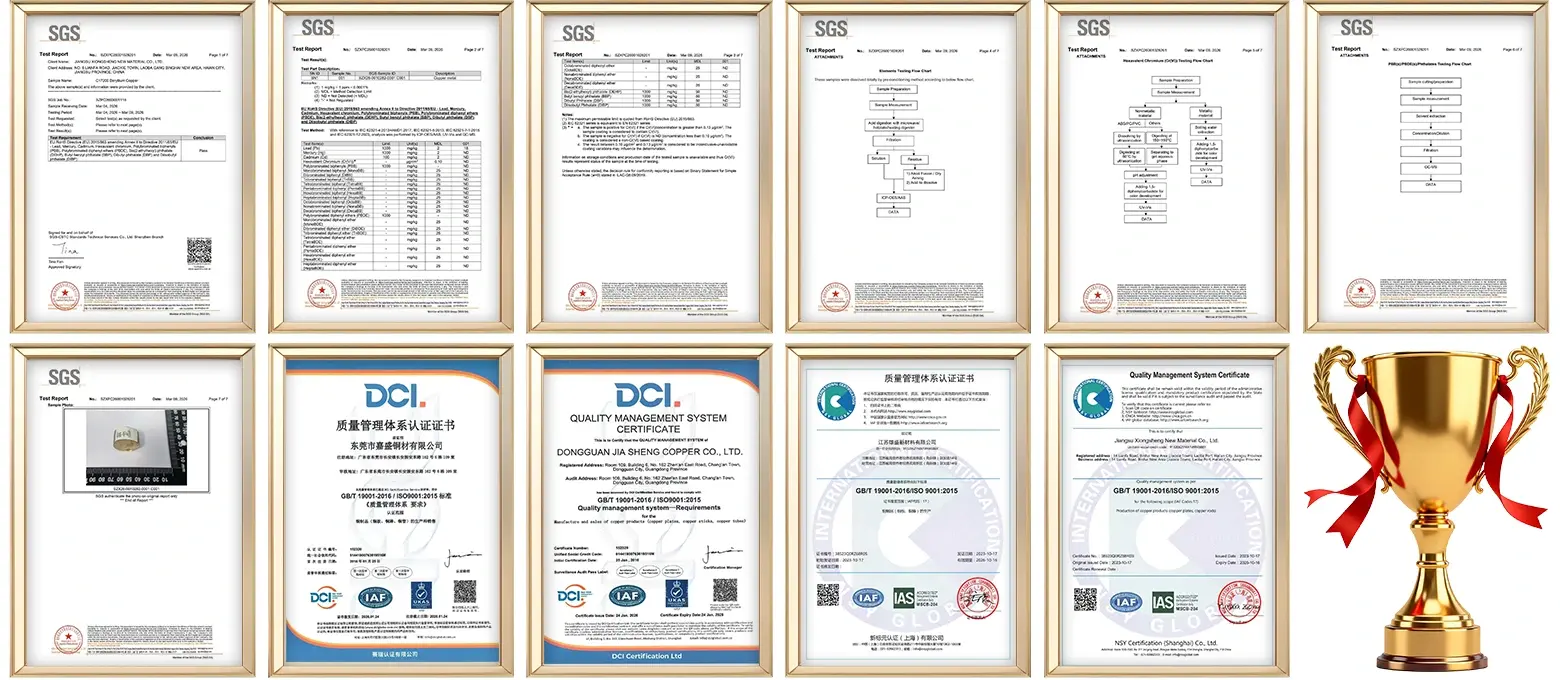
Quality Assurance: ISO 9001:2015, RoHS Compliant, EN 10204 3.1 MTC Available Upon Request
Description
Aluminum Bronze Welding Rod for Marine, Industrial & Dissimilar Metal Joining Applications
Aluminum Bronze Welding Rod is a Copper Based Welding Filler Metal used for Industrial Welding, Surfacing and Component Repair. This alloy containing 5-11% aluminium with trace of iron, nickel and manganese, has tensile strength of 550-750 MPa and hardness of 120-200 HB . The aluminium part generates a regenerating oxide layer to prevent oxidation and salt spray corrosion.
This material complies with AWS A5.7 and EN ISO 24373. Applications Marine equipment Hydraulic parts Valve seats Dissimilar metal welding.
What Is an Aluminum Bronze Welding Rod?
Aluminum Bronze Welding Rod is the copper aluminium alloy series and may be TIG & MIG welding. It overcomes typical building challenges that normal steel and stainless steel filler metals are unable to such as galvanic corrosion in marine settings, surface abrasive wear of industrial components and joining incompatible metals such as steel to cast iron and copper to steel.
Welded layers have low coefficient of friction and anti-galling qualities, are commonly used for processing of hydraulic components.
Technical Specifications
| Parameter | Value |
|---|---|
| Standard Compliance | AWS A5.7 (ERCuAl-A1 / ERCuAl-A2), EN ISO 24373 |
| Aluminum Content | 5% – 11% (typical) |
| Alloying Elements | Iron (Fe), Nickel (Ni), Manganese (Mn) |
| Tensile Strength | 550 – 750 MPa |
| Hardness | 120 – 200 HB |
| Melting Range | Approximately 1030°C – 1050°C |
| Welding Process | TIG (GTAW), MIG (GMAW) |
| Shielding Gas (TIG) | Pure Argon |
| Shielding Gas (MIG) | Argon / Helium mix (thicker sections) |
| Preheat Requirement | Not required for thin sections; 150–200°C for thick copper sections |
ERCuAl-A1 vs. ERCuAl-A2
The two grades vary in application and in the iron concentration. ERCuAl-A1 has low iron content and is used for surface cladding and overlay anti-corrosion welding against corrosion. ERCuAl-A2 has a larger percentage of iron with better tensile strength appropriate for structural welding, dissimilar metal connection and high load component repair. Both grades produce a protective coating of aluminium oxide to accommodate acidic and saline working situations.
Core Performance Advantages
Cavitation & erosion resistance: Self regenerating oxide film reacts to high speed fluid scouring, great for pump casing and propeller repair.
Resistance to wear & galling Hardness stability results in lower friction and metal seize of stamping dies and guide rails under cyclic pressure.
Adaptability to dissimilar metals: Serves as a buffer layer to manage carbon migration, creating a stable bond between various metal combinations.
Fatigue resistance: It can stand the cyclic load pressure applied in desalination and chemical equipment to prevent cracking and surface damage.
Key Application Areas
Rods are used in propellers, seawater pipelines and pump casings to withstand salt corrosion and cavitation damage in marine and offshore industries. It is used for automotive tooling wear-resistant overlay on stamping parts. It is used in chemical, desalination industries (valve components, heat exchangers, etc) to adapt to corrosive and high flow operating conditions.
Quality Control Standards
All welding rods are subjected to thorough batch inspection comprising OES chemical composition analysis, NDT internal defect testing and mechanical testing for tensile and elongation. Surface and size tolerance tests provide a clean surface and steady wire feeding. Each batch is furnished with EN 10204 3.1 test certifications providing complete traceability of data.
Frequently Asked Questions
Q1: Do I need to warm the base metal?
A1: Preheating is not required for thin materials. Thick copper base metals need to be preheated to 150–200°C to prevent quick heat loss, which will damage the welding result.
Q2: What are the shielding gases for various welding processes?
A2: TIG welding uses pure argon. MIG welding uses argon-helium mixed gas for thick sections to improve penetration.
Q3: Can it weld steel and copper as dissimilar metals?
A3: Yes, ERCuAl-A2 may be used to stabilize welding joints and control carbon migration.
Q4: How to prevent welding porosity?
A4: Clean the base metal to eliminate any surface oxides and keep the welding arc short to avoid contamination by air.
Q5: How does the A1 grade differ from the A2 grade?
A5: A1 is for anti-corrosion cladding. A2 is for structural and dissimilar metal welding with increased strength.
Contact Us
Send your product specifications and order demands for Aluminum Bronze Welding Rod to js01@jstongcai.com.cn, and we will provide professional replies and quotations within 24 hours.