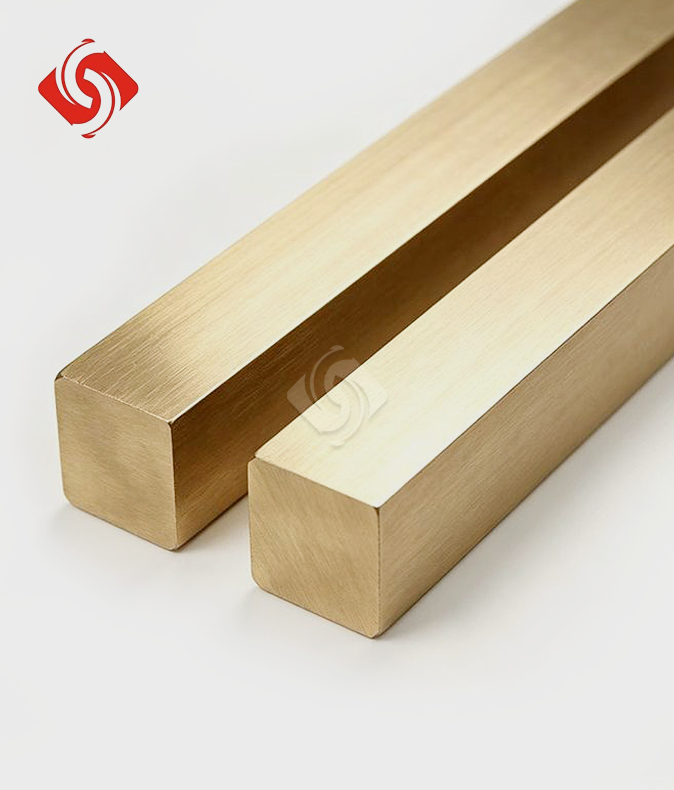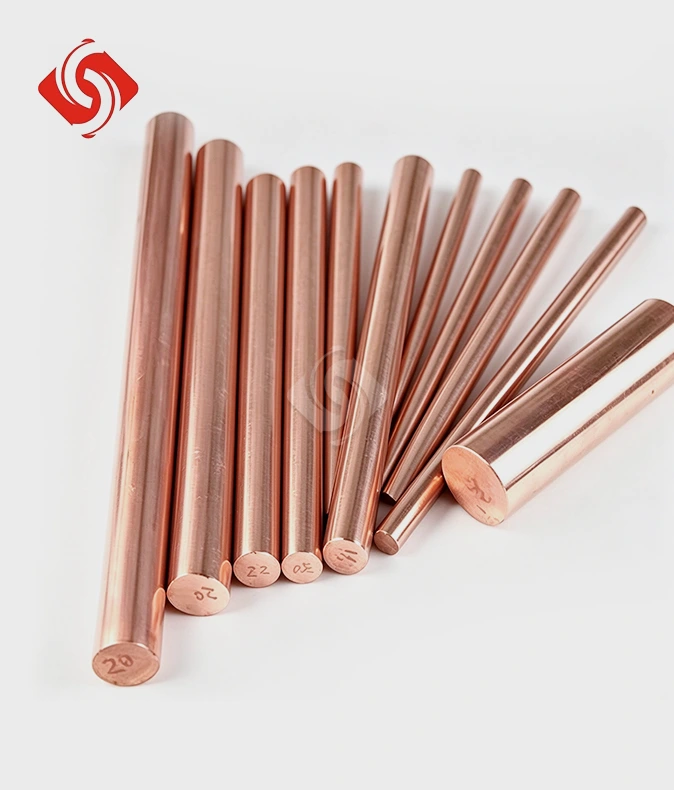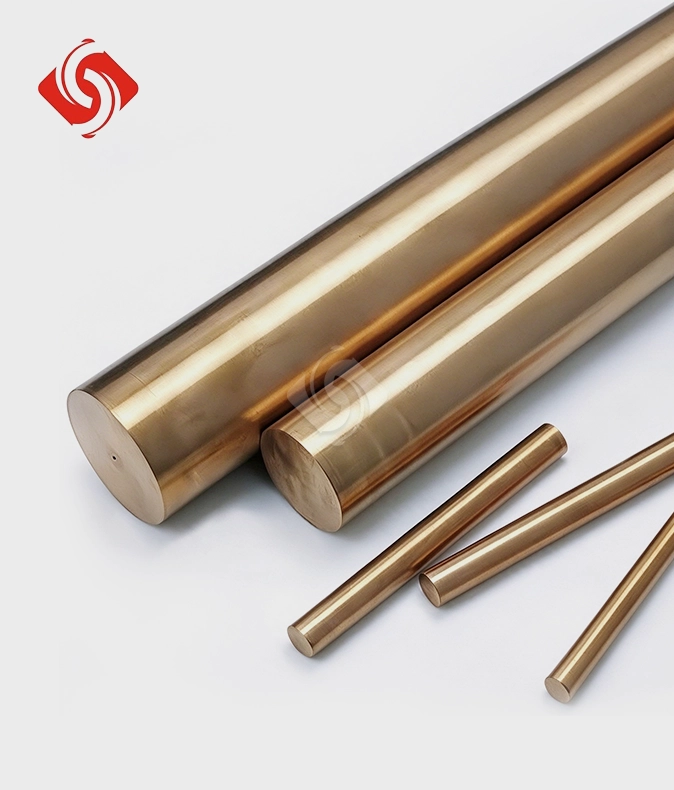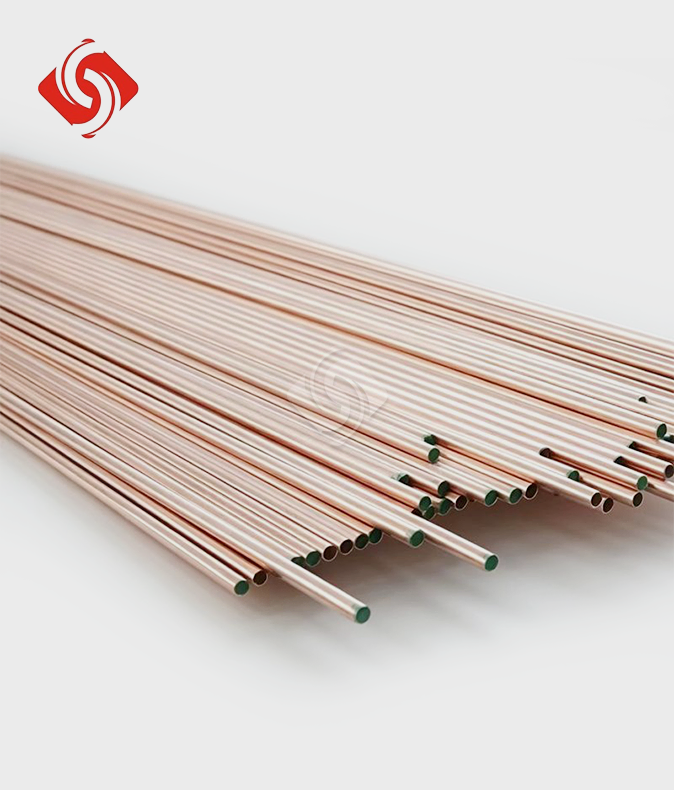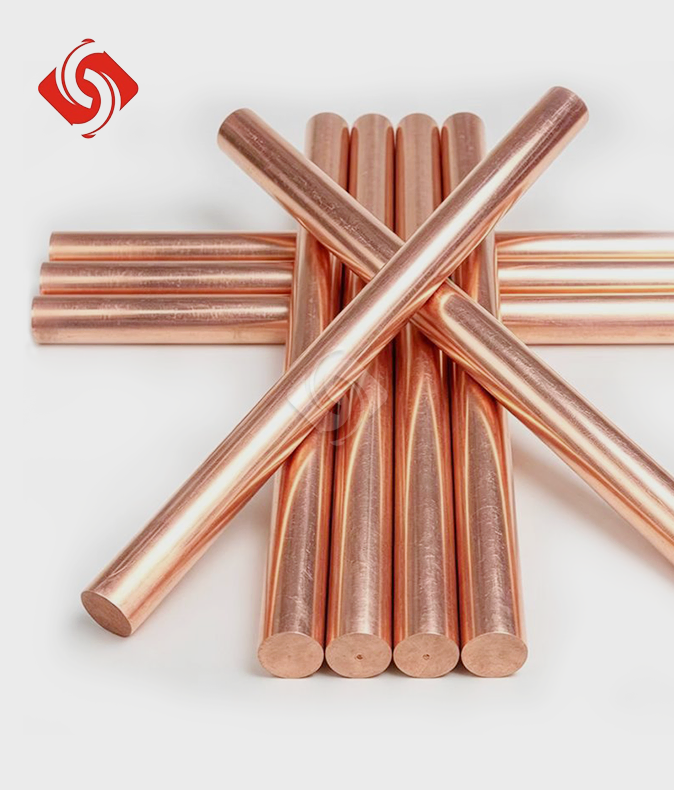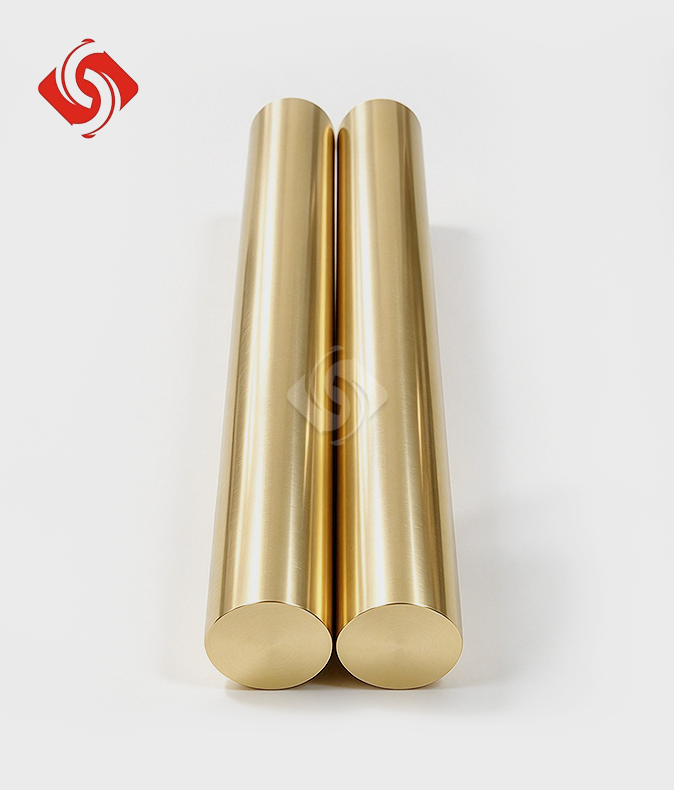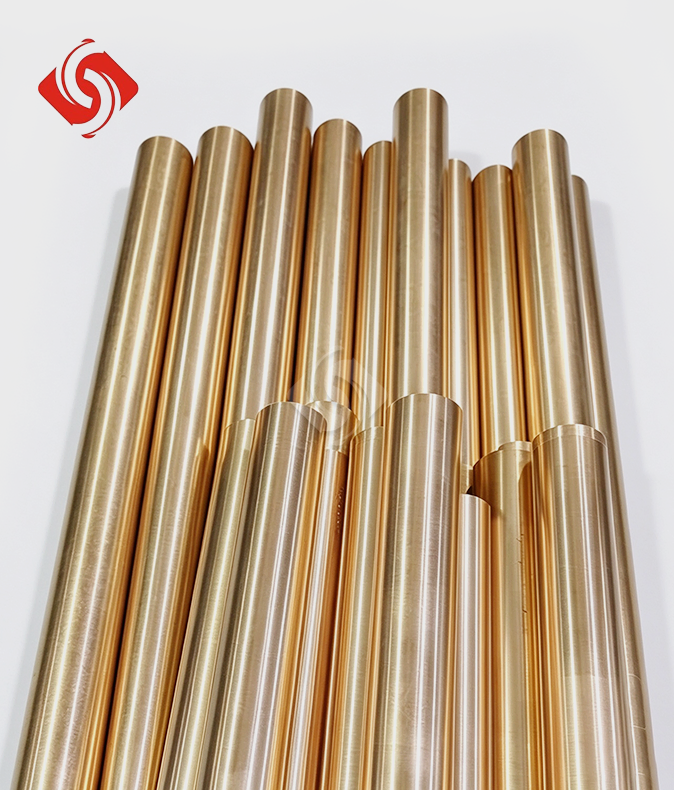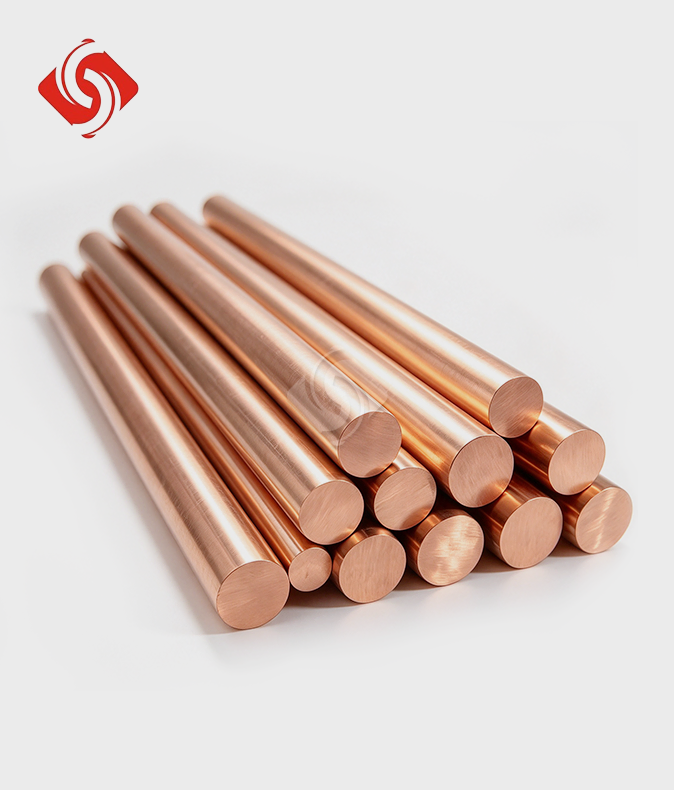
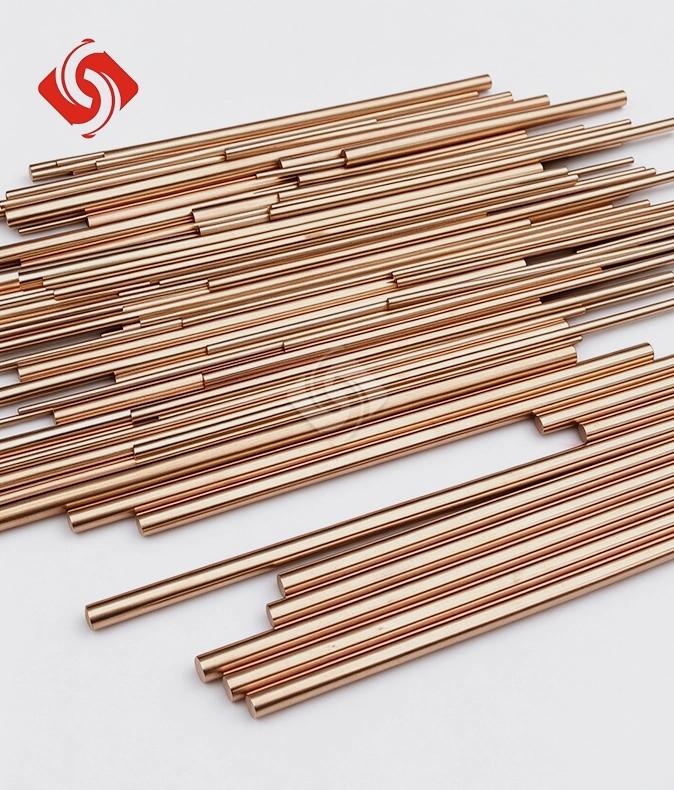
C17200 Beryllium Copper Electrode Rod
Grade: UNS C17300 / CuBe2Pb / Alloy M25 / EN CW102C
Standards: Manufactured strictly per ASTM B196
Size Range: Diameter 2mm - 200mm, Custom Lengths and Precision Cut Available
Temper Condition: Solution Annealed (TB00) or Age-Hardened (TF00 / TH04)
Core Feature: Enhanced with Lead (Pb) Dispersion for Superior Machinability (20% of free-cutting brass)
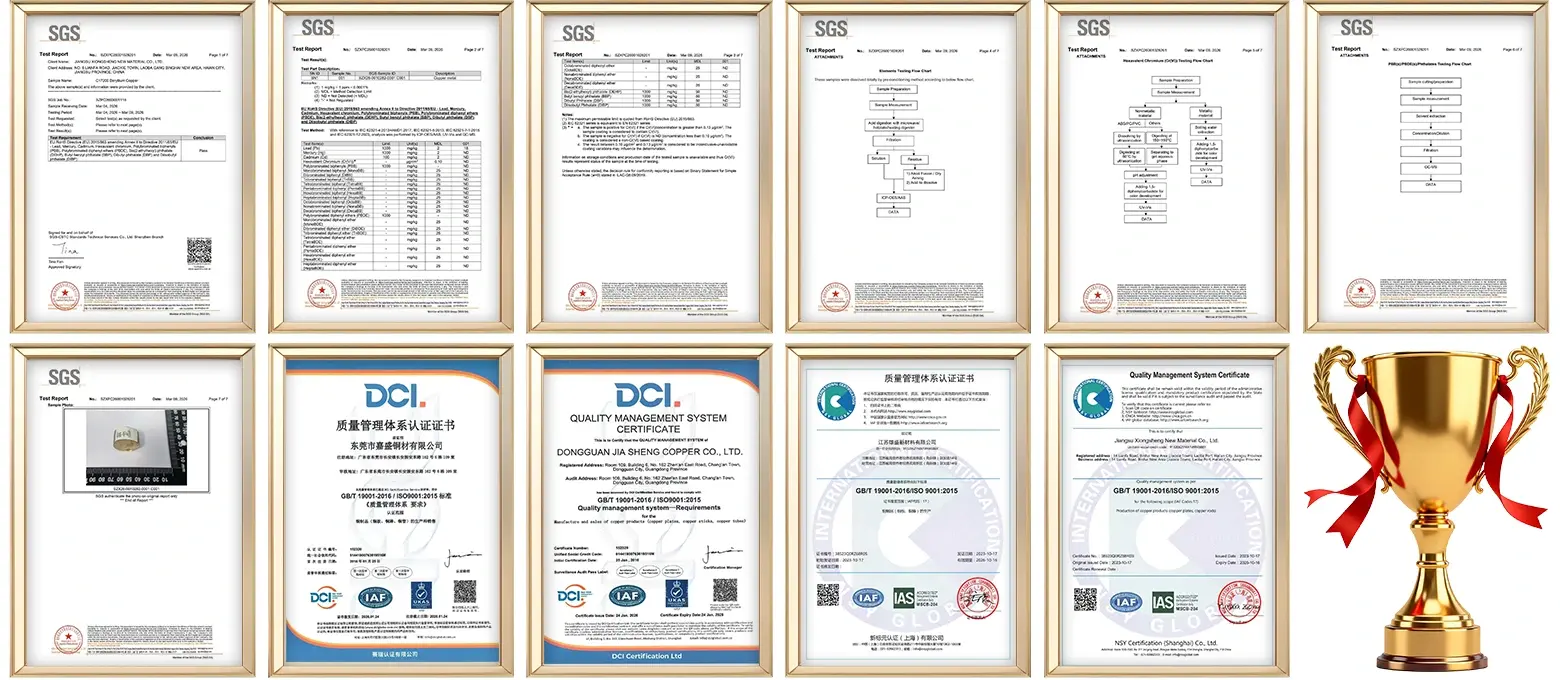
Quality Assurance: ISO9001:2015, RoHS Compliant (Pb within copper alloy exemption), MTC 3.1 Certified
Description
C17200 Beryllium Copper Electrode Rod — High-Strength Alloy for Precision Welding & EDM Applications
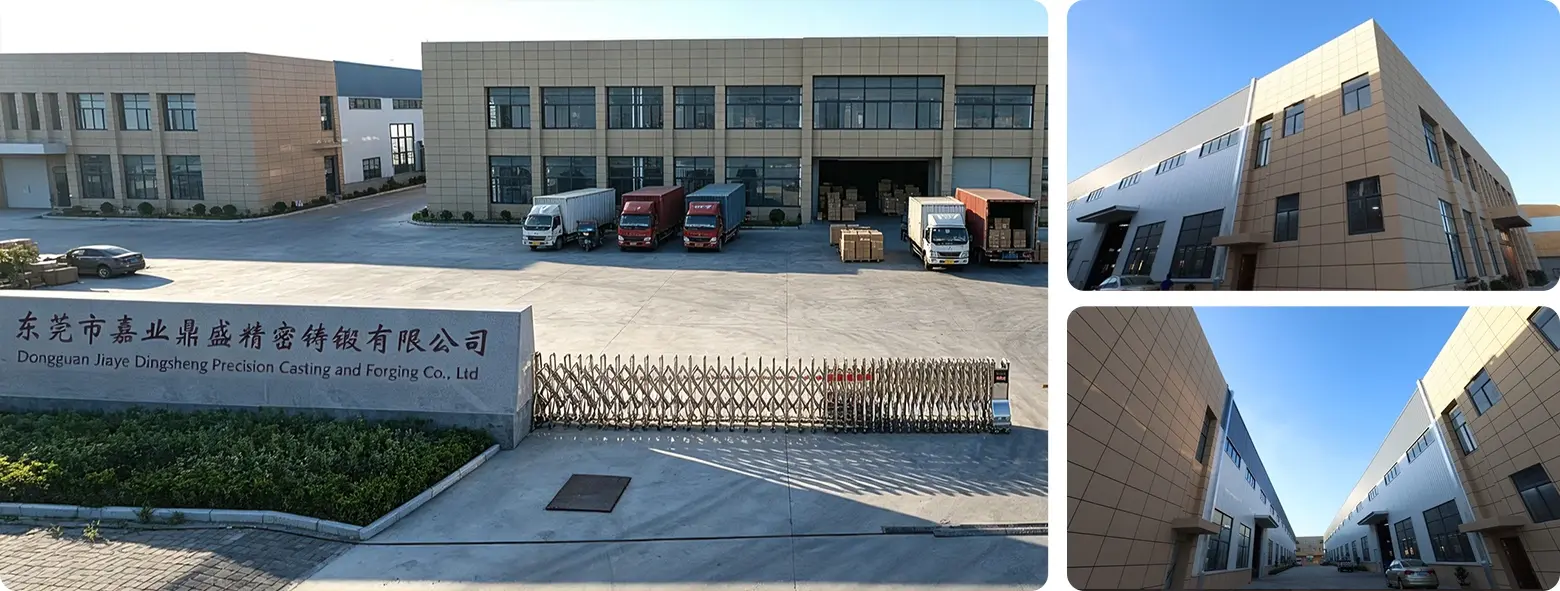
C17200 Beryllium Copper Electrode Rod is also known as Alloy 25. It contains 1.8-2.0% beryllium and is the toughest and strongest of any copper based alloy after age hardening. The rod is manufactured by Dongguan Jiaye Dingsheng Precision Casting & Forging Co., Ltd. Founded in 1997, the firm has more than 25 years of expertise in processing copper alloys. The rod is made via vacuum melting, precision rolling and controlled heat treatment. Tensile strength is 1100-1300 MPa, hardness is 36-42 HRC and electrical conductivity is 22-25% IACS. A good material for resistance welding, EDM tooling and precision mould components.
What’s Special About C17200 Beryllium Copper Compared to Standard Copper?
The standard electrolytic copper is not hard enough for high pressure welding or abrasive mould applications. Tool steels, in contrast, are poor conductors of heat and electricity.
Grade C17200 Beryllium Copper Electrode Rod fills that niche. It gets to 45 HRC after age hardening at 315°C (600°F) for 2–3 hours, with 22–25% IACS conductivity, which no conventional copper or steel can equal.
This makes it especially ideal for situations where the electrode tips are exposed to regular mechanical stress, heat cycling or chemical exposure.
Product Specifications
| Property | Value |
|---|---|
| Grade / UNS | C17200 (Alloy 25) |
| Beryllium Content | 1.8% – 2.0% |
| Co + Ni (min) | 0.20% |
| Cu | Balance |
| Hardness (Aged) | 36–42 HRC / 350–420 HV |
| Tensile Strength | 1100–1300 MPa |
| Yield Strength | 950–1100 MPa |
| Electrical Conductivity | 22–25% IACS |
| Thermal Conductivity | 105 W/m·K |
| Diameter Range | 2mm – 200mm |
| Temper Condition | TB00 (Solution Annealed) / TF00 / TH04 (Age-Hardened) |
| Tolerance Grade | Precision Cold Drawn & Ground h8–h11 |
| Standard | ASTM B196 |
| Compliance | ISO 9001, RoHS, REACH |
| Documentation | Mill Test Certificate (MTC) 3.1 |
Key Performance Advantages
Thermal stability: 350°C softening temperature stabilises the shape of the electrode throughout a number of welding cycles.
Particular Physical Properties: Non-sparking, non-magnetic, applicable in oil, gas and aviation operating situations.
Wear and galling resistance: Lowers frictional losses of sliding components and extends service life over conventional copper.
Stable EDM processing effect: It can keep the sharp edges and fine structures full with high precision processing during electric discharge machining.
Application Scenarios
This material is widely used for automotive and aerospace stainless steel welding electrodes to avoid tip deformation and reduce replacement frequency. It serves mold core pins and inserts to shorten molding cycles and resist abrasion of filled materials. It adapts to high-pressure and high-temperature downhole oil and gas equipment, and is also commonly used for high-precision EDM electrode processing.
Quality Control Process
All products pass multi-stage strict inspection, including OES component calibration, hardness and tensile testing, conductivity verification, ultrasonic internal flaw detection and dimensional tolerance inspection. Each batch is delivered with complete test data to realize full production traceability.
Ordering & Customization
We provide 2–200mm standard in-stock rods with 3–5 days delivery. Custom cutting, size adjustment and targeted heat treatment are supported. We offer 24-hour quotation service and complete export logistics and document support.
Certificate
Frequently Asked Questions
Q1: What is the difference between C17200 and C17500 electrodes?
A1: C17200 has higher hardness for heavy-duty welding, while C17500 features higher conductivity for conventional electrical contact parts.
Q2: Is the material safe for machining?
A2: Solid rods are safe to handle. Professional ventilation and dust filtration equipment are required during grinding and welding.
Q3: Is C17200 applicable for EDM processing?
A3: Yes, it maintains stable precision and fine structural integrity, suitable for high-precision EDM machining scenarios.
Q4: How to achieve the best material performance?
A4: Complete solution annealing first, then aging treatment at 315°C for 2–3 hours to stabilize comprehensive properties.
Q5: What causes electrode wear failure?
A5: Excessive aging treatment or operating temperature exceeding 350°C will accelerate wear; stable cooling is required during use.
Q6: Are test certificates available?
A6: Each order is equipped with EN 10204 3.1 MTC reports covering composition, hardness, conductivity and dimensional data.
Contact Us
Submit your size specifications and technical demands of C17200 Beryllium Copper Electrode Rod to js01@jstongcai.com.cn, and our team will send professional quotations and technical replies within 24 hours.