Sep 28, 2026
Exploring the Advantages and Applications of Aluminum Bronze Rods
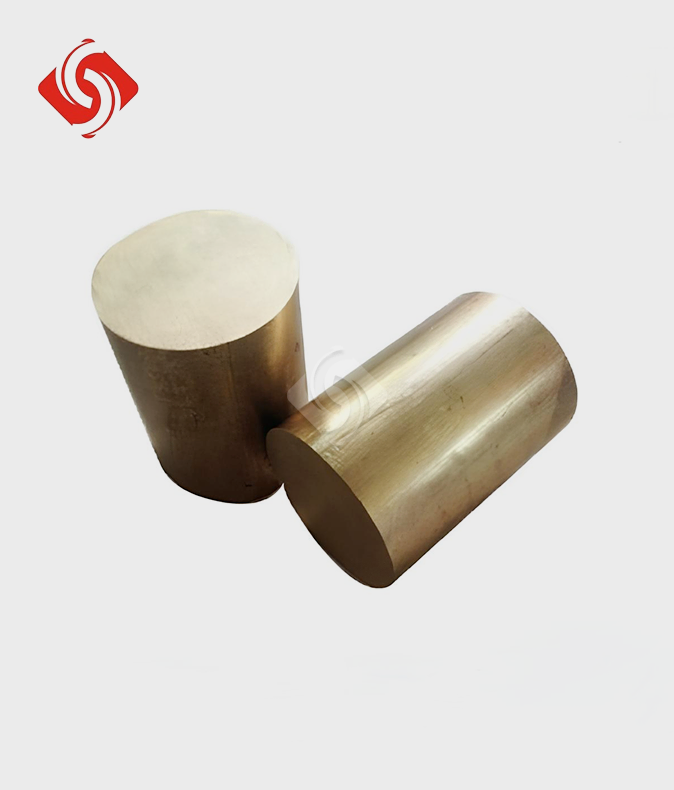
If you source specialty metals for industrial clients, you already know that material selection can make or break a project. The aluminum bronze rod is one of those materials that quietly handles the jobs other alloys fail at—high-load marine shafts, precision valve stems, wear-resistant bearing bushings—without demanding constant replacement or special coatings. This article walks through what makes these copper-aluminum alloy bars worth specifying, where they perform best, and how to procure them without the usual headaches around documentation and delivery.
Understanding Aluminum Bronze Rods: Composition and Key Properties
Chemical Composition That Drives Performance
A copper-based alloy that has been wrought into an aluminum bronze rod is made with aluminum (8.5–11.0%) as the main strengthening element. Iron (2–5%), nickel (4–5.5%), and manganese (0.5–1.5%) make up the rest, with copper making up the last bit. This four-element chemistry makes a fine duplex lattice that is both strong and flexible at the same time, which is something that a metal made of only one element can't do.
Grade Differences Matter: C63000, C63200, and C61400
Not all aluminum bronze rods are made of the same metal. The goal for UNS C63000 (CuAl10Fe5Ni5 / DIN 2.0966 / CW307G) is a tensile strength of at least 620 MPa. For better dezincification protection, C63200 adds tighter manganese control (Mn ≥1.2%). The C61400 offers ≥515 MPa with a lower alloy load, making it good for general-purpose shafting. If you mix up these grades in an MTC, any serious service center will fail the incoming inspection right away, so per-grade chemical declarations are a must.
Mechanical Properties and Operating Range
Wrought aluminum bronze rod meets the standards set by ASTM B150, ASME SB150, and EN 12163 and EN 12164. The metal is 150–220 HV (≥80 HRB) hard, can stretch 15–20%, and can be used continuously at 400°C or for short periods of time at 500°C. Density is between 7.5 and 7.8 g/cm³; keep in mind that C61400 is a little higher at about 7.89 g/cm³. 10 to 15% IACS is the electrical conductivity, and 40 to 50 W/m³K is the heat conductivity. These numbers come from a batch and are not just guesses from a catalog.
Advantages of Aluminum Bronze Rods: Why Choose Them?
Self-Healing Corrosion Protection
A bronze rod made of aluminum and oxygen reacts with oxygen or saltwater right away, making a thin but dense film of aluminum oxide on the surface. This film can be fixed if it gets scratched, but iron oxide (rust) can't. Independent tests by ASTM and NACE showed that corrosion rates for C63000 rod in moving seawater were less than 0.025 mm/year. This is a level of corrosion that stainless steel grades like 316L can't regularly match in high-velocity, chloride-rich flow conditions.
Wear, Fatigue, and Thermal Stability
For tough jobs, aluminum bronze rod is better than brass, phosphor bronze, and regular copper rod because of the following technical benefits:
- High tensile strength (≥620 MPa for C63000/C63200): Supports heavy rotating and reciprocating loads in pump shafts and worm gear blanks without deformation.
- Anti-galling surface behavior: The alloy's hardness and surface film prevent adhesive wear against steel mating surfaces, extending component life in valve stems and slide rails.
- Thermal stability to 400°C continuous: Unlike leaded bronzes that soften at lower temperatures, aluminum bronze rod retains its hardness at elevated process temperatures.
- Fatigue strength for cyclic loading: Propeller shafts and rudder stocks endure millions of load reversals; aluminum bronze rod handles this without the progressive cracking that plagues softer alloys.
The high tensile strength (≥620 MPa for C63000/C63200) means that it can hold big loads that move back and forth in pump shafts and worm gear flats without deforming.
Cost Position vs. European and Japanese Mill Supply
A factory-direct aluminum bronze rod from China is usually 25–40% cheaper than the same material from mills in Germany or Japan, and it still meets ASTM B150 standards and has all the necessary MTC 3.1 paperwork. For a regional metal distributor that buys 80–400 tons per year, that spread allows the distributor to grow its margins without taking on any extra risk.
Common Applications of Aluminum Bronze Rods in B2B Industries
Marine and Offshore Hardware
It is the standard material for propeller shafts, rudder stocks, stern tube liners, and pump rods in saltwater service because its oxide film heals itself and it doesn't cavitate. Classification societies like DNV, Lloyd's Register, and Bureau Veritas regularly accept C63000 and C63200 rod for these uses. This makes the approval process easier for both OEM makers and wholesalers.
Industrial Bearings, Bushings, and Valve Components
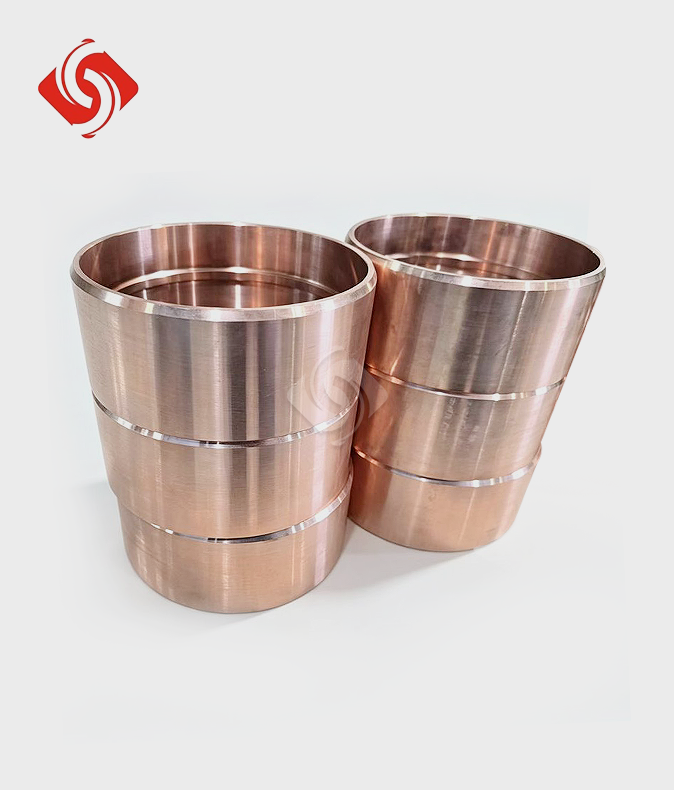
Wear data from copper industry expert groups shows that bearing bushings, worm gear blanks, valve stems, and wear rings made from aluminum bronze rod last three to five times longer than leaded bronze in harsh or high-load conditions. The shape of the rod lets CNC turning, threading, and grooving finish the surface to Ra 0.8–3.2 μm right from the bar stock. This speeds up the machining process for large production runs.
Oil, Gas, and Non-Sparking Applications
Under EN 13463 and similar ATEX rules, aluminum bronze rod is a material that doesn't spark in dangerous environments. This property is important for drill bit bushings, non-sparking tool handles, and fasteners that go underwater. For oil field procurement teams in Turkey and the Gulf, combining the non-sparking material claim with official MTC paperwork and a test report from a third party fills in the compliance gap that would otherwise stop project clearance.
How to Procure Aluminum Bronze Rods Efficiently
Specify Grades and Cut Lengths Before Quoting
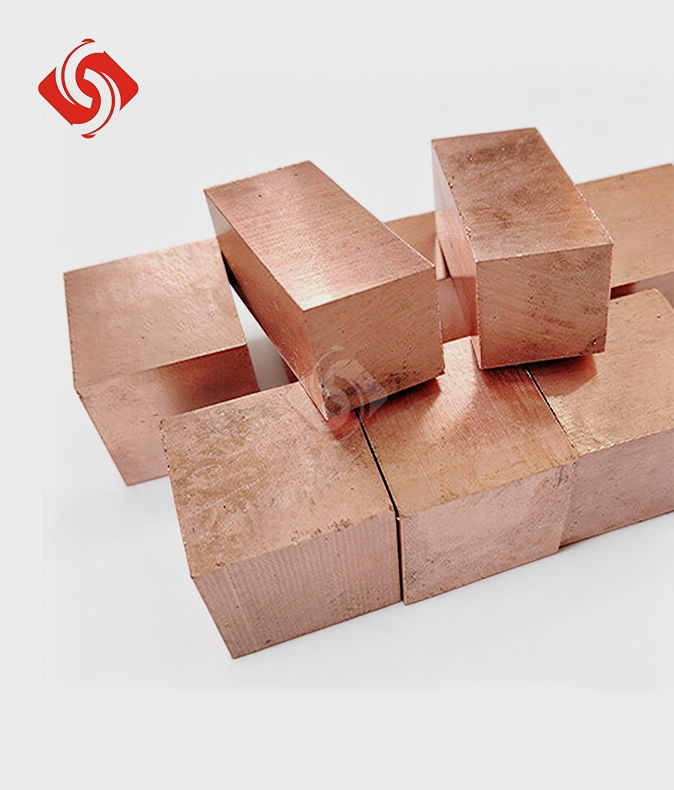
Requests for "aluminum bronze rod" in general lead to quotes that are not comparable. Choose the UNS grade (C63000, C63200, or C61400), the diameter (Ø5–300 mm), the length (1,000–3,000 mm or custom cut), the tolerance class (h8, h9, or h10 per ASTM B249 / EN 12163), and the shape (round, triangular, as well as square). Giving this matrix up front cuts down on revision cycles and lets the seller confirm stock depth, which is important for distributors who need a 3–5 day delivery promise before giving their customers a quote.
Evaluate Certification Speed and Document Format
The chemical makeup of an EN 10204 3.1 Mill Test Certificate must be listed against the exact UNS grade range, not a range that includes more than one metal. Before you place a trial order, ask for an example MTC. Documentation that is formatted incorrectly or takes too long to send causes incoming inspection failures and could lead to full-batch recalls. Suppliers who are ISO 9001:2015 certified and have their own vacuum induction melting facilities can quickly and accurately issue MTCs for each batch.
Logistics Flexibility for Small and Mixed Orders
Mixed-profile orders (round, hex, and square in different diameters) that are less than one metric ton can be fulfilled if the seller can combine them into a single export carton with anti-rust and moisture-proof packing that is made for export. With FOB, CIF, and DDP options, along with sea, air, or express courier routing, distributors can choose the best shipping method for margin and urgency without having to keep a separate freight account.
Aluminum Bronze Rods vs Alternatives: Making the Right Decision
Comparing Against Brass and Phosphor Bronze
Brass rod (CuZn alloys) costs less per kilogram but dezincifies in seawater and softens under sustained mechanical load. Phosphor bronze (CuSn alloys) offers good fatigue resistance but falls short of aluminum bronze in tensile strength by 150–200 MPa and lacks the thermal tolerance needed above 200°C. For applications where the service environment combines saltwater, high load, and moderate heat, aluminum bronze rod is the more cost-effective choice when full lifecycle cost—not just purchase price—is calculated.
Comparing Against Stainless Steel
Stainless steel rod (304, 316L) matches or exceeds the tensile strength of aluminum bronze in static loading but galls badly against steel mating surfaces without lubrication, and its density (~7.93 g/cm³) adds weight in marine structures. Aluminum bronze rod, at 7.5–7.8 g/cm³, is slightly lighter and provides substantially better anti-galling behavior for rotating shafts and valve internals. For non-sparking requirements, stainless steel is outright disqualified.
Total Lifecycle Cost Is the Deciding Factor
A bearing bushing machined from C63000 aluminum bronze rod and installed in a seawater pump may cost 30% more than a brass alternative at purchase. However, documented field data from copper alloy technical literature consistently shows two-to-three-times longer service intervals, which reverses the cost comparison decisively over a two-year operating period.
Conclusion
Aluminum bronze rod meets strict industry standards because it solves real problems, like corrosion in saltwater, wear from adhesives, the need to avoid sparks, and high heat loads, at a price that stainless steel and European mill supply can't match. The material works well for oil-field tools, industry valve and bearing uses, and marine power. Purchasing managers who choose the right UNS grade, agree on documented tolerances, and work with a supplier that provides quick, grade-specific MTCs protect both their own profits and the production schedules of their customers further down the line.
FAQ
1.What tolerance and surface finish does an aluminum bronze rod support?
ASTM B249 and EN 12163 say that the standard accuracy classes are h8, h9, and h10. A centerless-ground aluminum bronze rod has a surface finish of Ra 0.8–1.6 μm, which means it can be used for bearing and shaft fits without any extra grinding. Controls for straightness and ovality are part of the h8 standard.
2.Can I order mixed grades and profiles in a single shipment?
Yes, aluminum bronze rod profiles in the C63000, C63200, and C61400 grades can all be grouped together into one shipment. These profiles come in round, hexagonal, and square shapes. Export-standard packaging keeps profiles and grades separate so that they can be checked more easily when they arrive at your office.
3.How quickly can an EN 10204 3.1 MTC be issued?
An MTC is sent out for in-stock items within 24 hours of the order being confirmed. There is no pooled data range on the certificate; instead, it gives chemical analysis and mechanical test results for each grade that can be linked to a particular cast number.
4.Is the aluminum bronze rod genuinely wrought, not cast?
Astm B150 only lists hot-extruded or rolled iron bar as stock. Casting is its own type of product (C95400 cast alloy). Wrought origin is proven by the MTC process route field and can be checked by a third-party inspection lab by looking at the microstructure.
5.What is the minimum order quantity for a trial shipment?
We can take trial orders starting at 0.5 metric tons. You can get mixed-grade, mixed-profile consolidation for less than a ton, and it can be shipped by air freight or rapid courier to help with quick first-article testing rounds.
Source Your Aluminum Bronze Rod Directly from JYDS
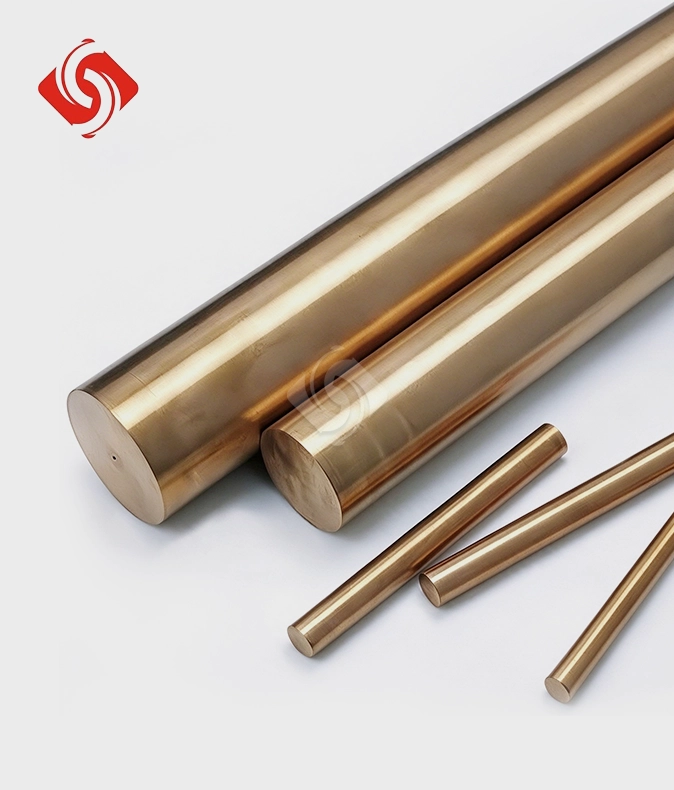
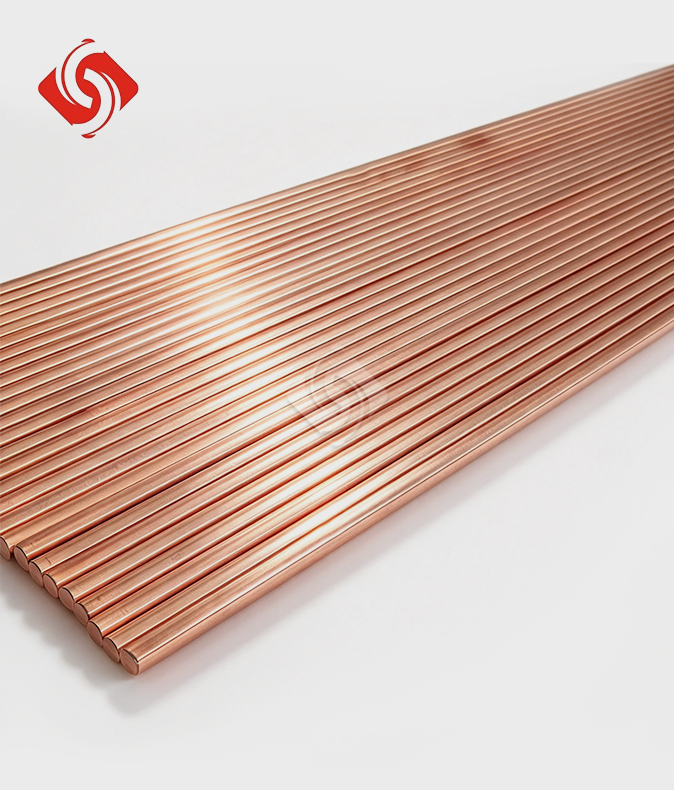
JYDS has more than 500 tons of cast aluminum bronze rod in stock. They have grades C63000, C63200, and C61400 in round, hex, and square shapes, with Ø5–300 mm diameters and lengths of 1,000–3,000 mm or can be cut to order. Each batch comes with an EN 10204 3.1 MTC that is backed by ISO 9001:2015. Items in stock are sent out in 3–5 days, and special orders take 15–20 days. We answer all questions within two hours. You can email our team at js01@jstongcai.com.cn to get a price from a reliable aluminum bronze rod source for a specific grade.
References
1. Copper Development Association — Aluminum Bronze Alloys for Industry, Copper Development Association Publication No. TN31, 2016.
2. ASM International — Properties and Selection: Nonferrous Alloys and Special-Purpose Materials, ASM Handbook Volume 2, 1990.
3. ASTM International — ASTM B150/B150M Standard Specification for Aluminum Bronze Rod, Bar, and Shapes, ASTM International, 2019.
4. European Committee for Standardization — EN 12163: Copper and Copper Alloys — Rod for General Purposes, CEN, 2016.
5. NACE International — Corrosion of Copper and Copper Alloys in Aqueous Environments, NACE Technical Committee Report, 2014.
6. Marine Technology Society Journal — Material Selection for Seawater Pump Components: A Comparative Review, Marine Technology Society, 2021.