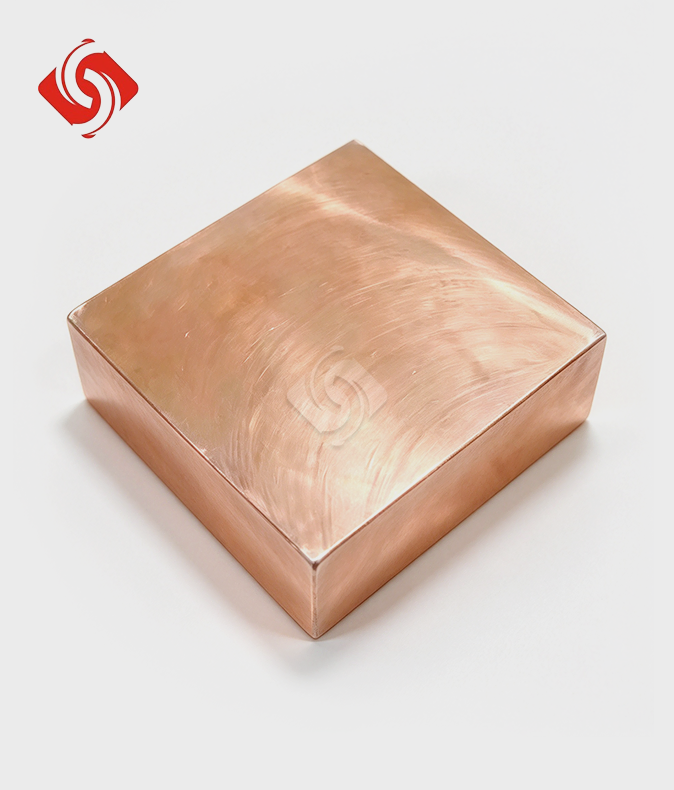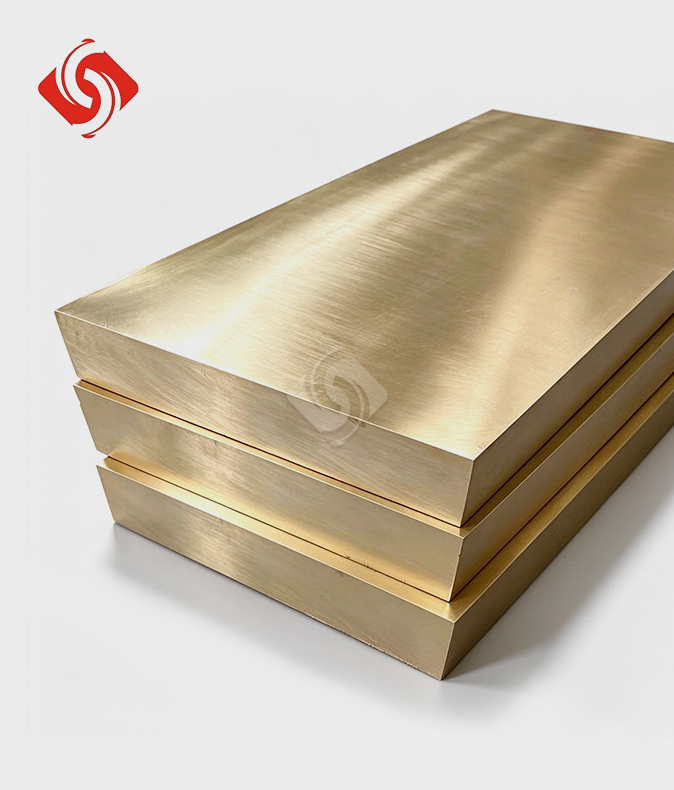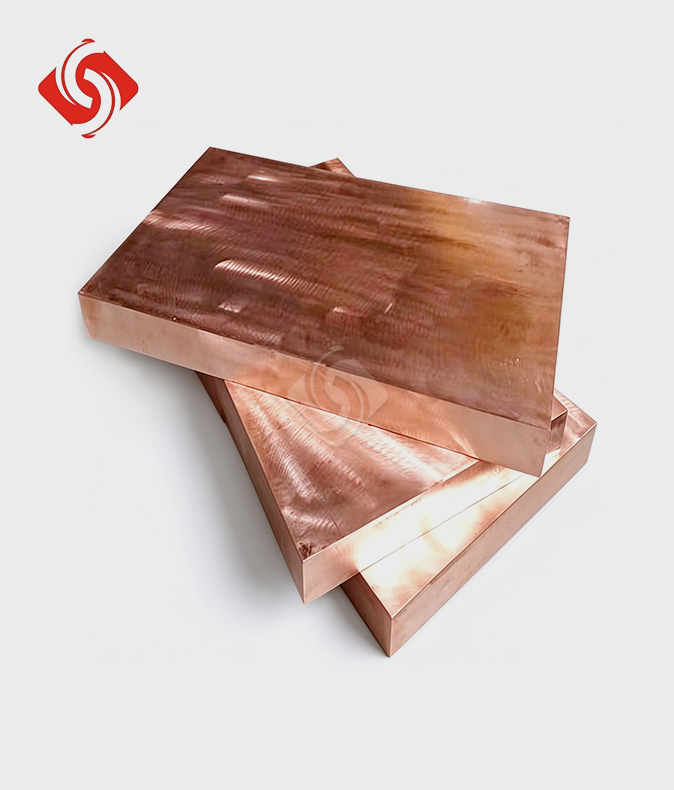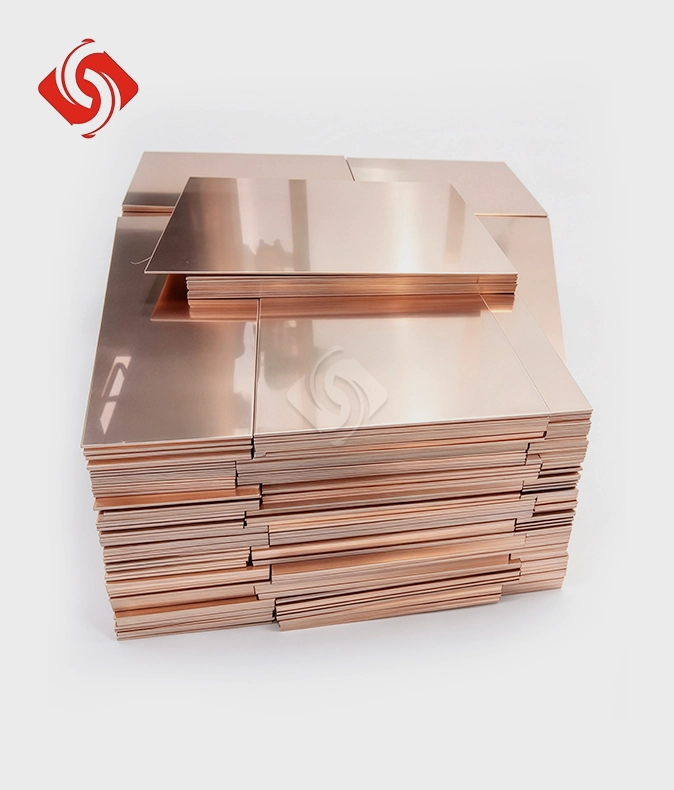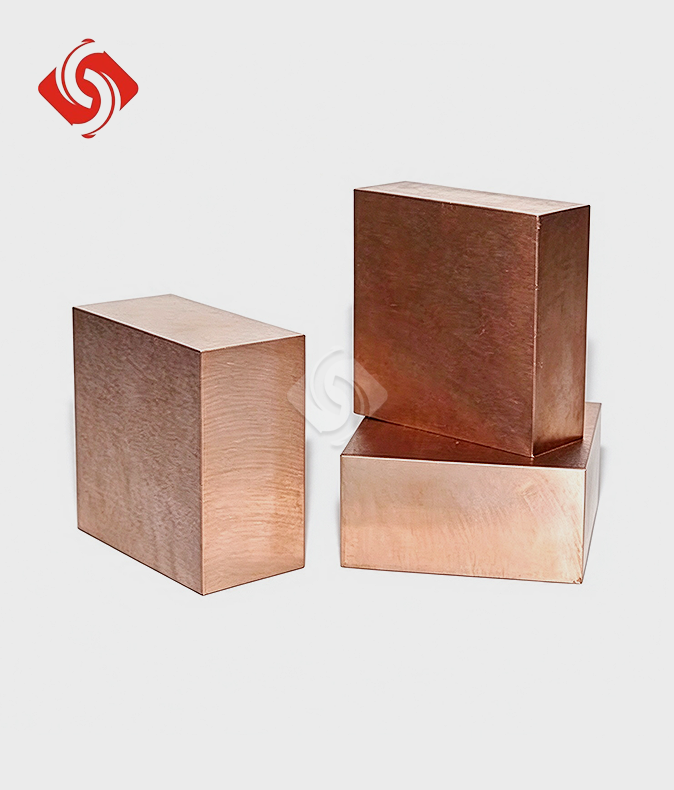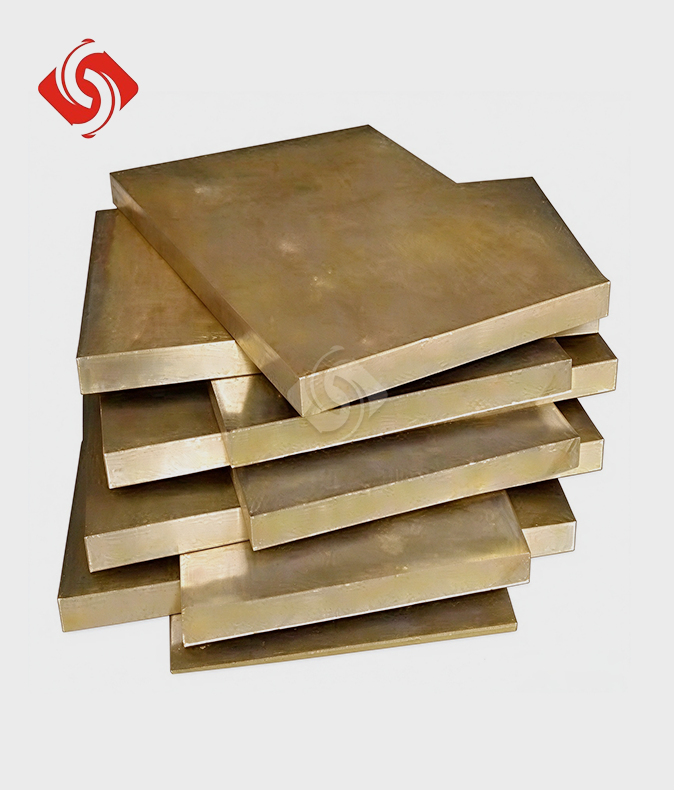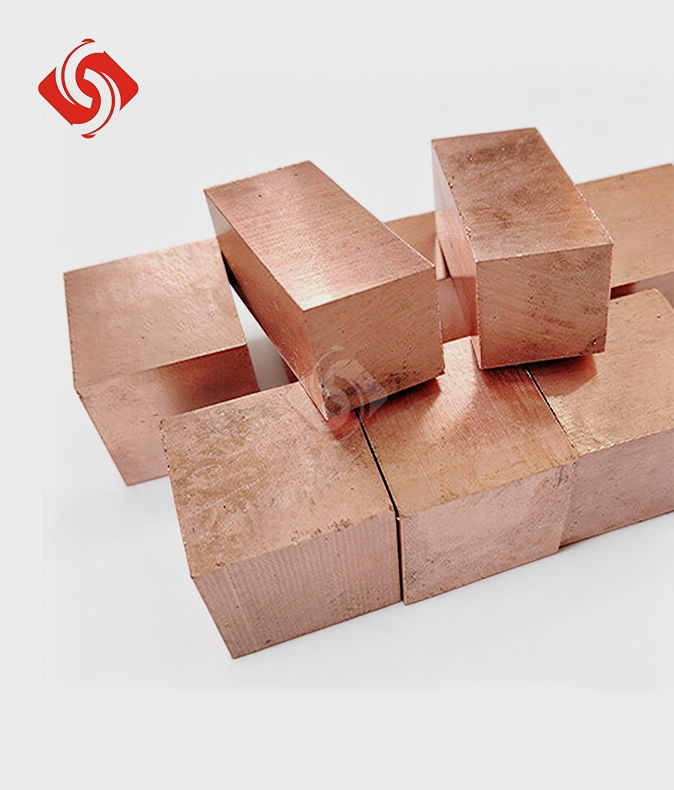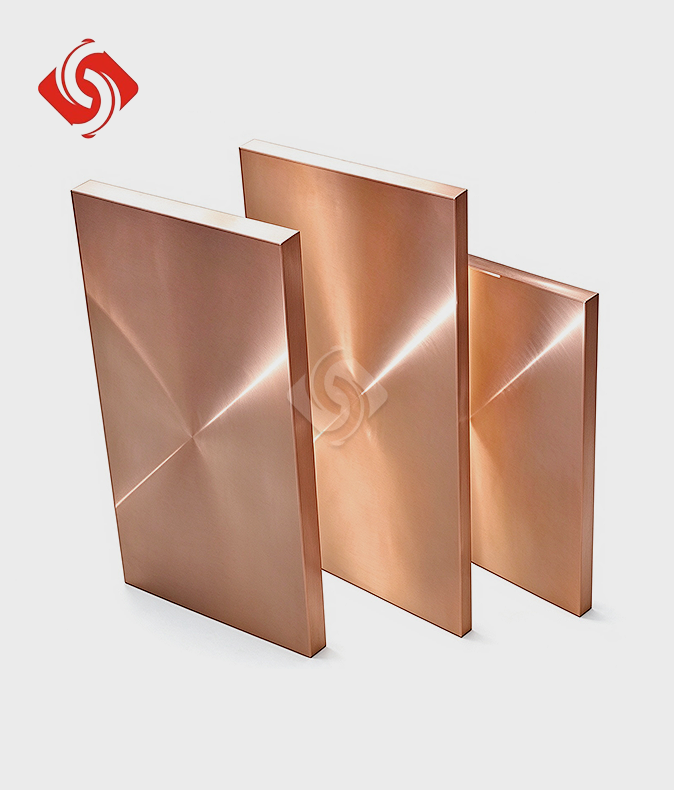
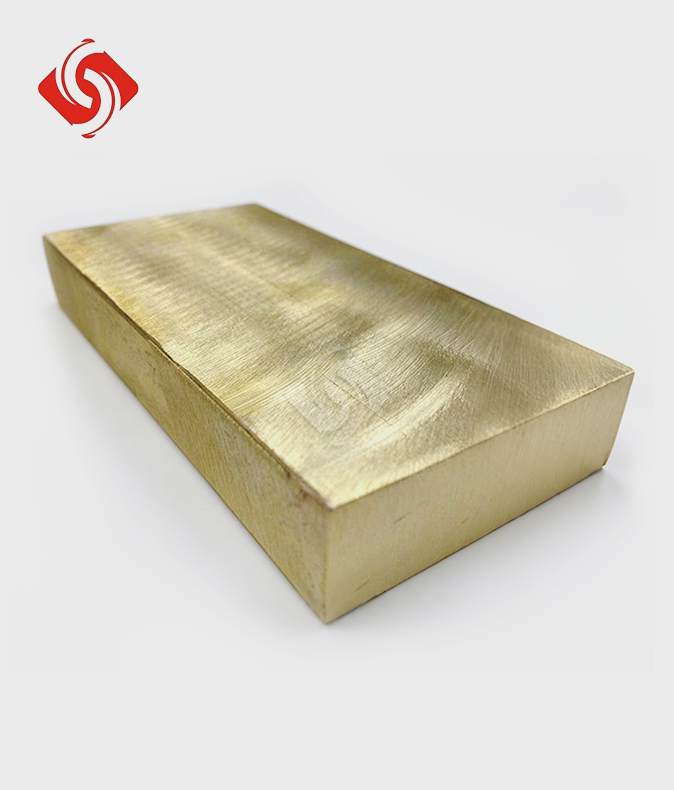
Aluminum Bronze Plate
Grade: UNS C17200 / CuBe2 / Alloy 25 / EN CW103C
Application Focus: Plastic Injection Mold Inserts, Blow Molds, Core Pins, & Fast Cooling Tooling Bases
Standards: ASTM B194
Size Range: Thickness 10mm - 150mm, Width & Length Custom Sawn / Precision Ground
Temper Condition: Solution Heat-Treated & Age-Hardened (TF00), Ready for Machining
Core Purpose: High Thermal Conductivity (105 W/m·K) and Wear Resistance for Rapid Plastic Cycle Times
Quality Assurance: ISO9001:2015, RoHS Compliant, MTC 3.1 Certified
Description
Aluminum Bronze Plate for Marine & Industrial Applications — High Strength, Corrosion-Resistant Copper Alloy Solutions
Aluminum Bronze Plate is a copper based alloy containing aluminium (5% – 12%) as the primary alloying element, along with iron, nickel and manganese. Since 1997, Dongguan Jiaye Dingsheng Precision Casting & Forging Co., Ltd. has been making copper alloys for over 25 years, supplying Bronze Plates for heavy industrial applications. It has heat conductivity up to 130 W/m.K, hardness of 190 HBW and tensile strength up to 586 MPa. These plates are manufactured to ASTM B169/B148 specifications and perform in conditions when conventional metals fail.
What is Aluminum Bronze Plate and Why Does it Matter?
Aluminum Bronze Plate overcomes the usual limits of brass and tin bronze under severe corrosion, high mechanical stress and explosive danger circumstances. The surface of the alloy is covered with a self-healing aluminium oxide layer, consisting of 5%–12% aluminium. This layer provides protection against oxidation, marine organism development, and chemical attack in seawater and acidic processing environments. Unlike stainless steel, aluminium bronze is not prone to pitting and crevice corrosion in stagnant seawater and maintains its structural integrity with little galvanic corrosion. It is also non-sparking, for use in potentially hazardous gas and explosive atmospheres.
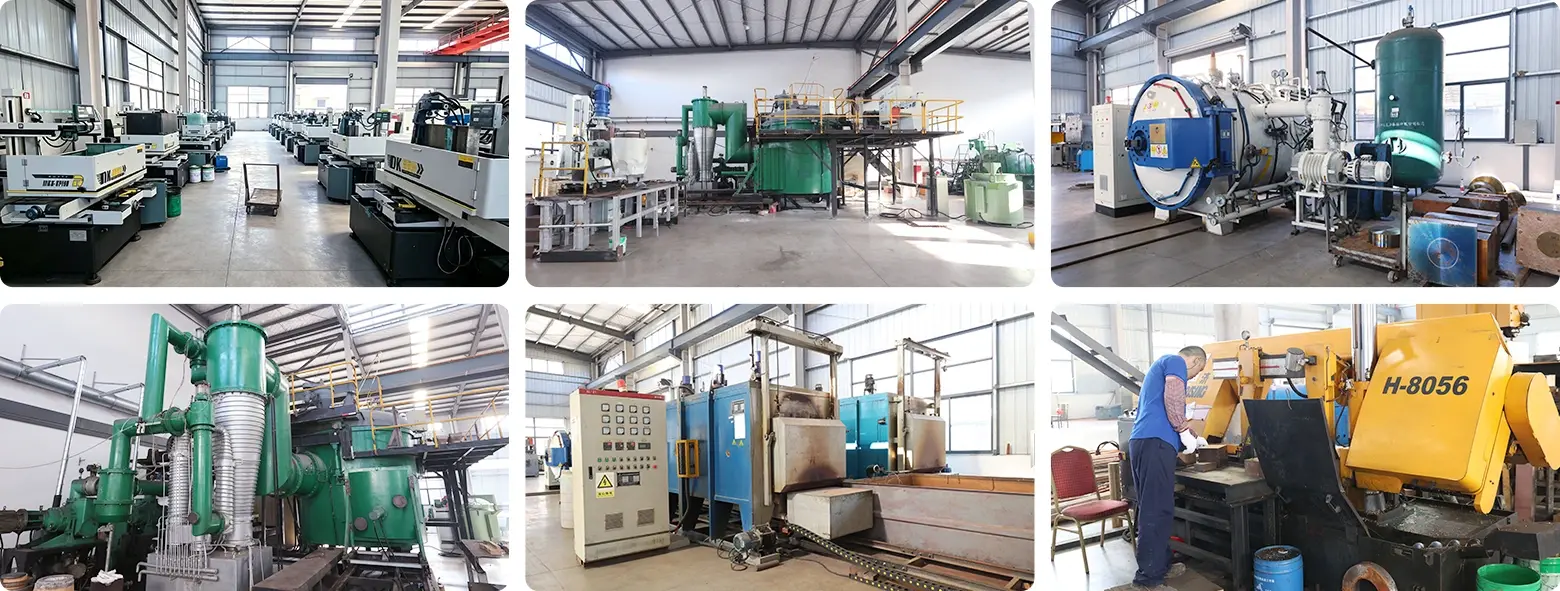
Key Grades and Chemical Composition
Different grades serve different applications. Here is a reference overview of the most common bronze plate grades:
| Grade | Al (%) | Fe (%) | Ni (%) | Standard | Tensile Strength |
|---|---|---|---|---|---|
| C61400 | 6–8 | 1.5–3.5 | — | ASTM B169 | 448–586 MPa |
| C95400 | 10–11.5 | 3–5 | — | ASTM B148/B505 | 517–586 MPa |
| C95800 | 8.5–9.5 | 3–5 | 4–5 | ASTM B148 | 620+ MPa |
C61400 offers high ductility and is excellent for chemical processing hardware. C95400 is a workhorse grade combining wear resistance with moderate cost. C95800 adds nickel to prevent de-aluminification in aggressive seawater environments.
Mechanical and Physical Properties
Here are the key technical parameters for C95400 aluminum bronze plate, one of the most widely used grades:
| Property | Value |
|---|---|
| Tensile Strength | 517–586 MPa (75–85 ksi) |
| Yield Strength | 207–241 MPa (30–35 ksi) |
| Brinell Hardness (HBW) | 170–190 |
| Thermal Conductivity | High for bronze alloys |
| Coefficient of Friction | Low |
| Magnetic | Non-magnetic |
| Density | ~7.6 g/cm³ |
Aluminium bronze is a good choice for bushings and bearing pads due to its low friction coefficient. Non-magnetic feature is suitable for sensitive electrical and defence application.
Application Scenarios:
Marine Engineering Propeller shafts, sea water pump housings, rudder bearings and flanges . No more covering is required; the top layer alone prevents the growth of marine life.
Chemical Processing: Valve bodies, pump components and pipe flanges for non-oxidizing acids, brines and salt water. C61400 resists the stress corrosion cracking that attacks brass.
Oil & Gas: Non-sparking equipment and structural plates for explosive gas zones.
Heavy Machinery & Defence Bushings, Wear Plates, Sliding Parts For wear applications in the 170-190 HBW hardness range there are several carbon steels that may be considered.
Aerospace & Precision Equipment: High strength non-magnetic plates for instrument housings and support brackets
Inspection and Quality Control Criteria
For each batch of plates we have a complete inspection routine:
Spectrographic Chemical Analysis confirming the presence of aluminium and nickel
Ultrasound Testing (UT) for internal porosity and inclusions identification per ASTM E114
Dye Penetrant Inspection (PT) for Surface Detection of Micro-Cracks
Mechanical testing: ASTM B248 Brinell Hardness, Yield, and Tensile flatness and thickness tests
All shipments will be backed by Mill Test Certificate (MTC) ISO 9001, RoHS and REACH documents are available on request.
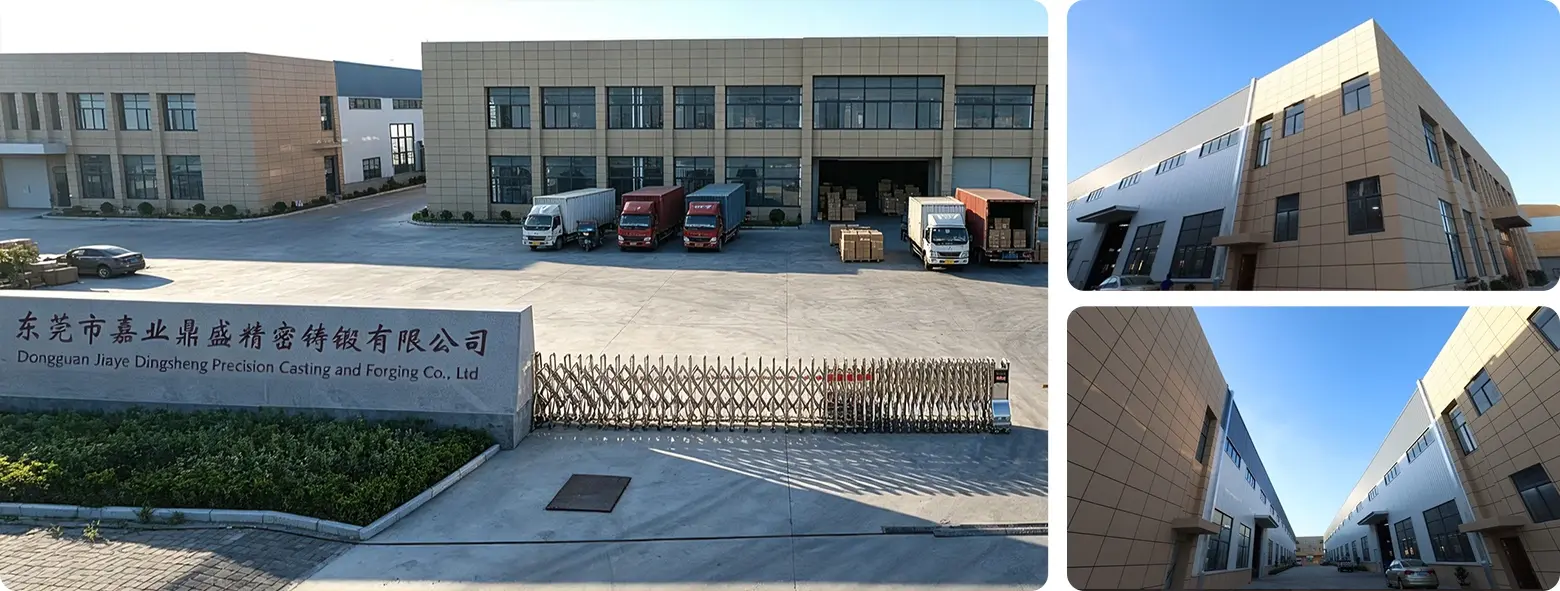
Customization and Supply Capabilities
-
Custom plate thickness, width and length, sawn or precision ground to drawings
-
Heat treatment to adjust hardness and conductivity
-
CNC machined parts processed directly from plate stock
-
24-hour quotation service; stock items ship in 3–5 days
-
Sea freight, air cargo and customs procedures – logistics support
Our metallurgical experts provide alloy selection and material analysis for maritime hardware and new tooling projects.

FAQ
Q1: Why Bronze Plate in saltwater as opposed to stainless steel?
A1: Stagnant saltwater causes pitting and crevice corrosion of stainless steels. Aluminium bronze generates a bio-static layer that reduces fouling and corrosion and increases the service life of maritime components.
Q2: Can bronze plates be welded?
A2: Yes. MIG or TIG welding with ERCuAl-A2 filler metal. Preheating and a clean surface are required to prevent weld cracking.
Q3: What is de-aluminification and how to prevent it?
A3: It is the selective leaching of aluminum from the alloy surface. Nickel addition, as used in C95800, plus proper heat treatment stops this issue under harsh conditions.
Q4: How does its hardness compare with steel?
A4: C95400 reaches 170–190 HBW, close to many carbon steels. It cannot match hardened tool steel, yet delivers better corrosion resistance and lower friction.
Q5: Is aluminum bronze magnetic?
A5: No. It stays non-magnetic, suited for minesweeping gear and electronic housings where magnetic interference needs to be controlled.
Contact Us
Need a quote or technical support for your Aluminum Bronze Plate requirements? Email us at js01@jstongcai.com.cn — response within 24 hours.