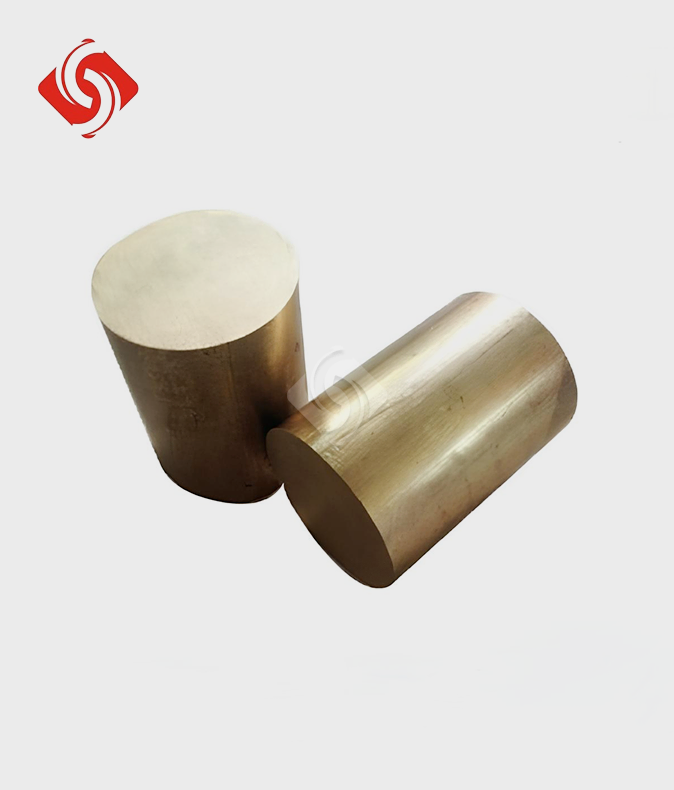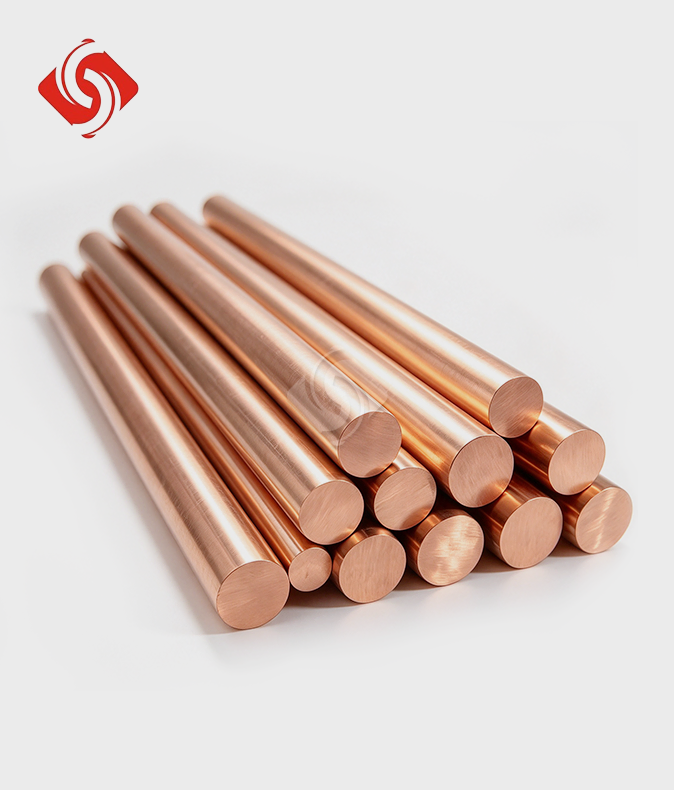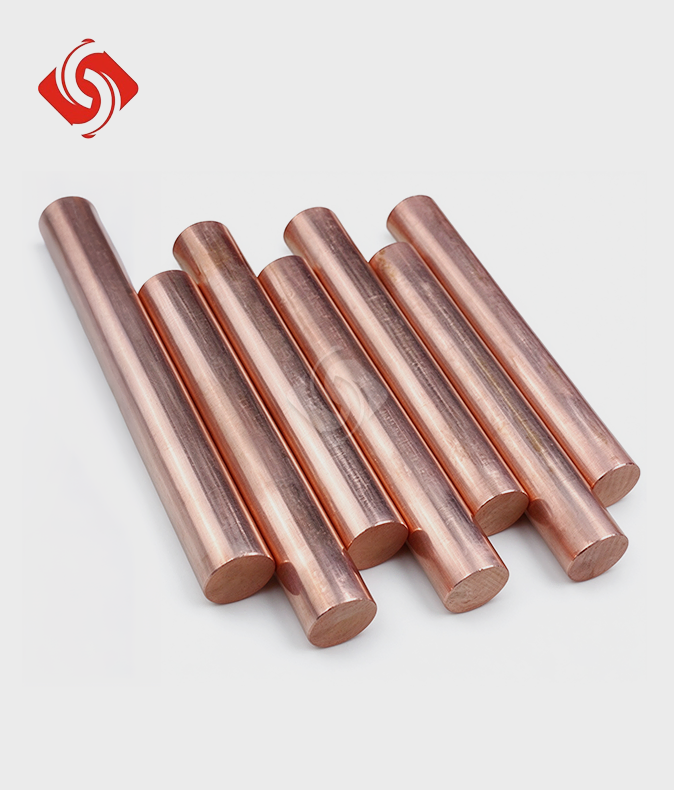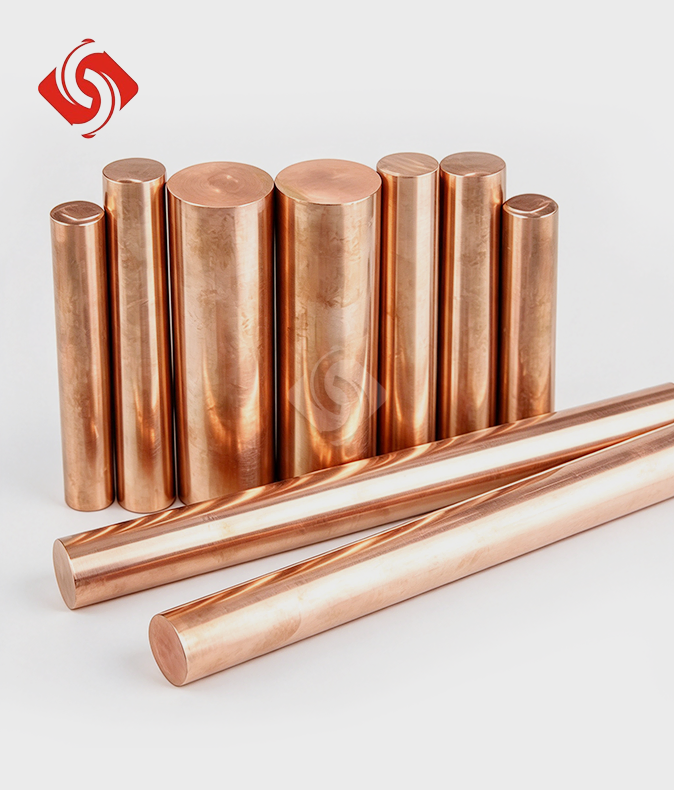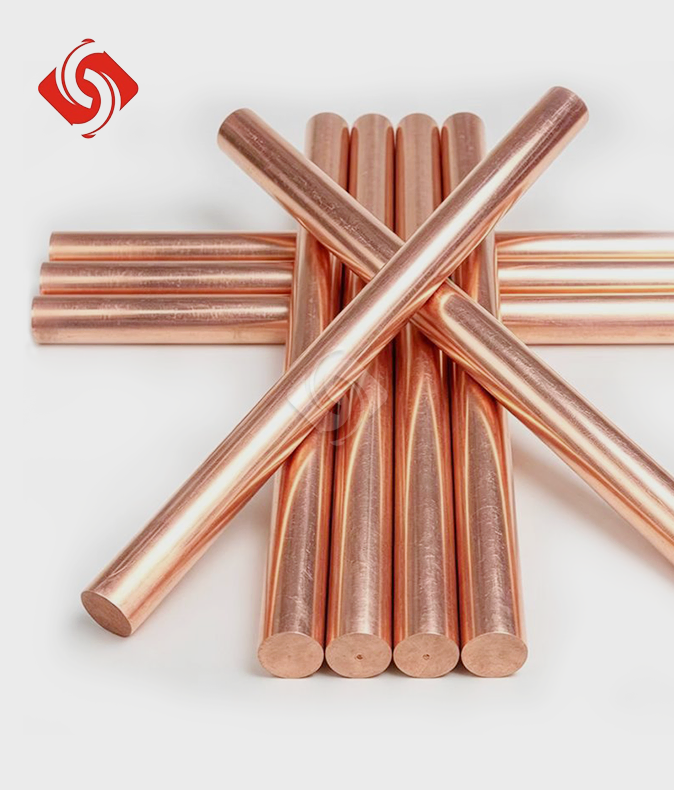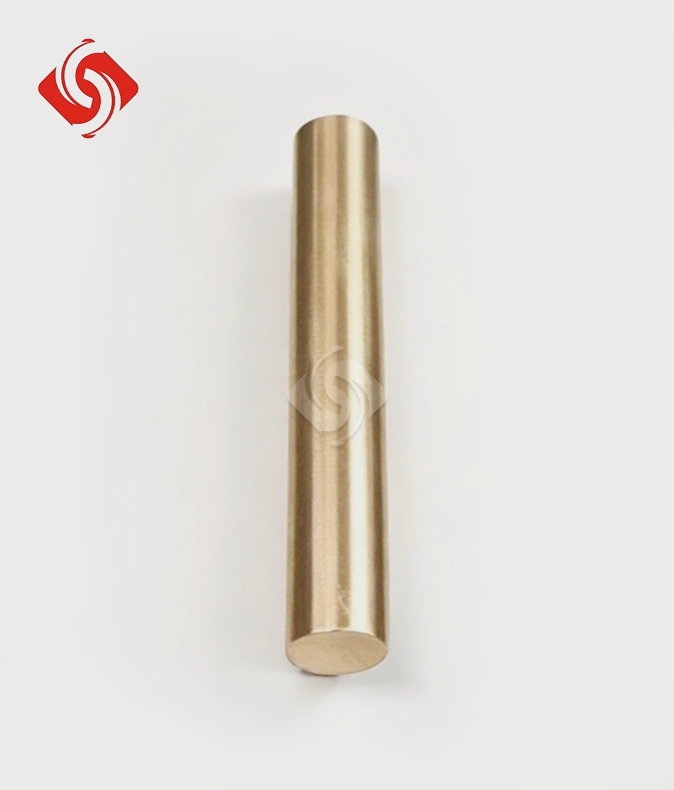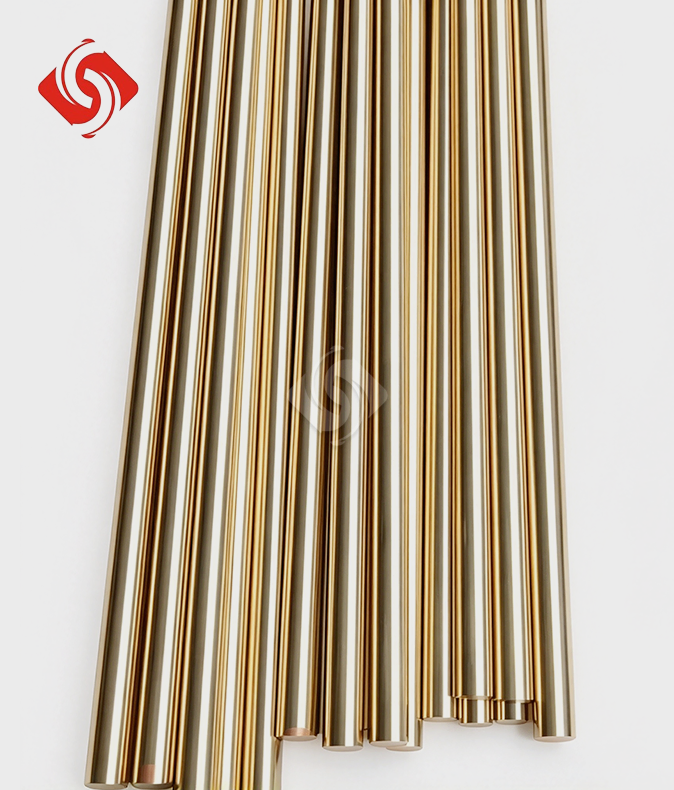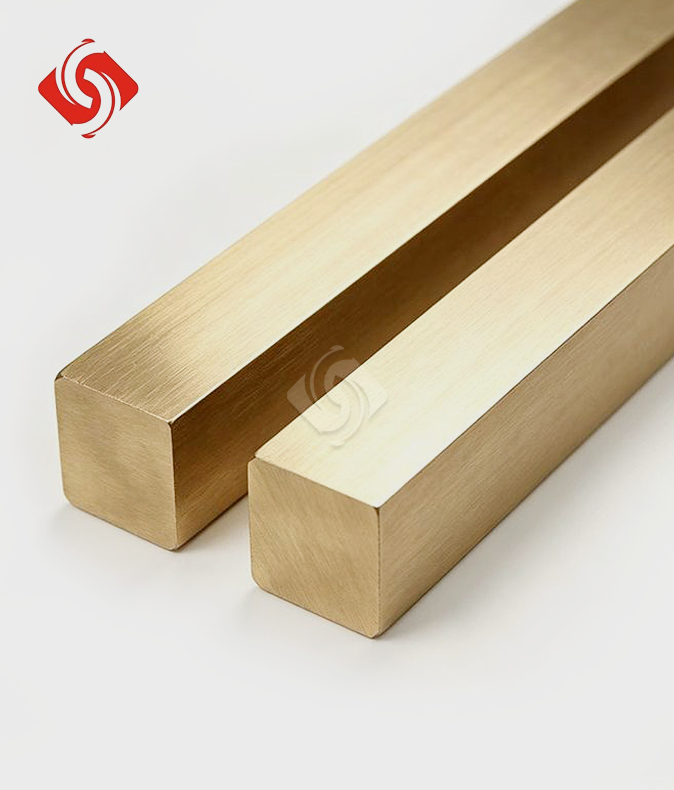
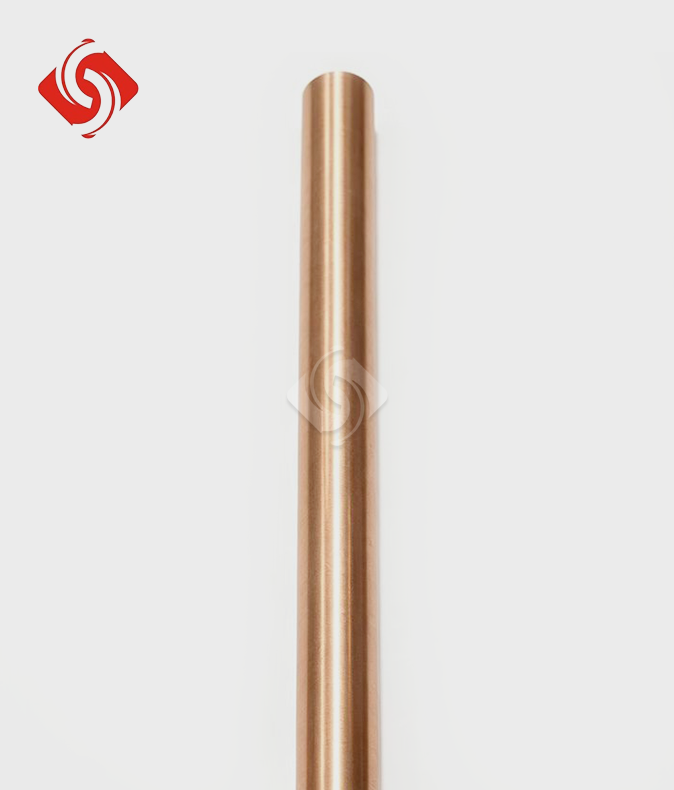
Cucr1zr Rod
Grade Equivalents: UNS C18200 / DIN 2.1291 / RWMA Class 2
Standards: ASTM B249, ISO 5182, RWMA Class 2
Size Range: Diameter 5mm - 200mm, Custom Lengths and Precision Cut Available
Temper Condition: Solution Treated & Age-Hardened (TF00), or Cold-Worked & Aged (TH04)
Core Application: Resistance Welding Electrodes, Spot Tips, Seam Welding Wheels & Current-Carrying Components
Quality Assurance: ISO9001:2015, RoHS Compliant, MTC 3.1 Certified
Description
CuCr1Zr Rod for Resistance Welding & High-Conductivity Applications — Precision-Drawn, RWMA Class 2 Certified
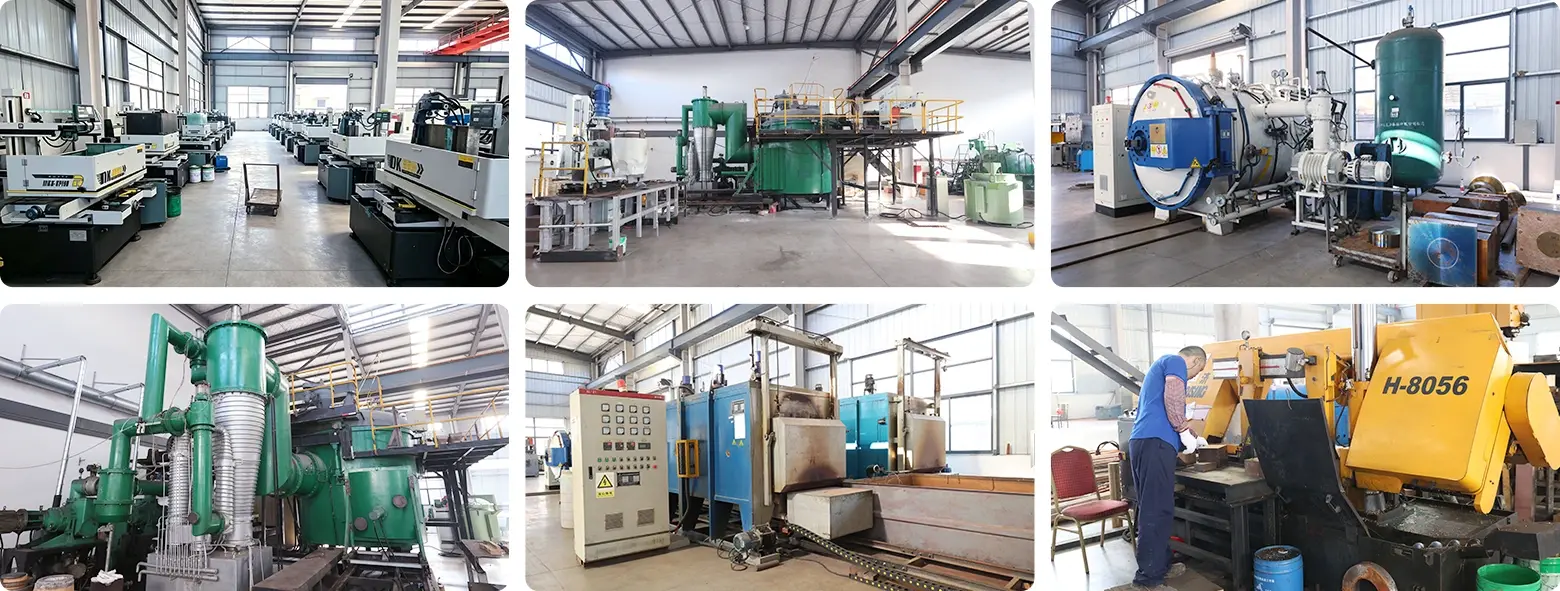
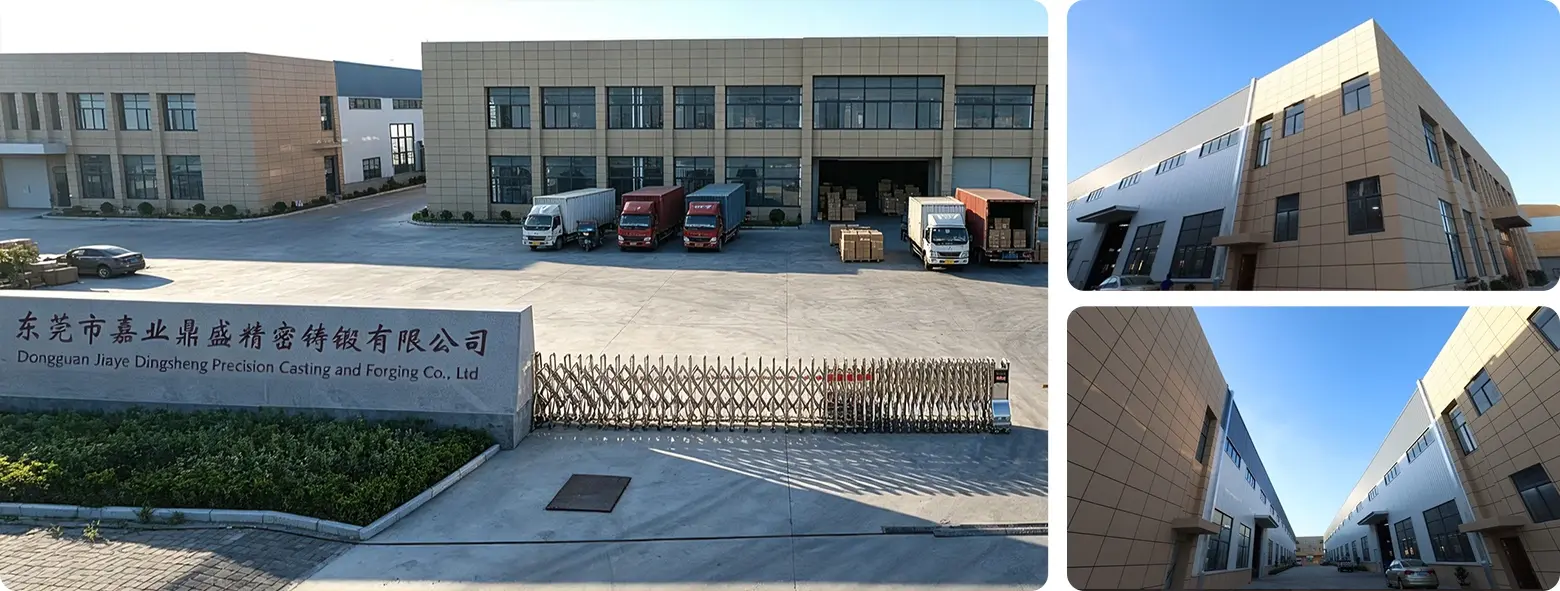
CuCr1Zr Rod (UNS C18200 / DIN 2.1291) is a mainstream precipitation-hardened chromium zirconium copper alloy supplied by Dongguan Jiaye Dingsheng. With over 25 years of copper alloy manufacturing experience, the factory adopts vacuum melting and aging hardening processes to produce rods with 80–85% IACS conductivity and 450–550 MPa tensile strength. Covering 5–200mm diameter sizes, the product complies with ASTM B249, ISO 5182 and RWMA Class 2 standards, widely supplied for automotive, aerospace and precision electronics industries.
What Is CuCr1Zr Rod?
CuCr1Zr Rod takes copper as the base material with 0.60–1.20% chromium added. It involves vacuum induction melting, solution treatment and ageing tempering to provide a stable fine-grain microstructure. Compared to typical copper materials that soften and distort at high temperature, this alloy retains its entire structural integrity in the working environment of 475°C, thereby efficiently eliminating the thermal softening problems that happen often in resistance welding and continuous casting production.
Key Technical Specifications
| Parameter | Value |
|---|---|
| Grade / Standard | UNS C18200 / DIN 2.1291 / RWMA Class 2 |
| Chromium Content | 0.60 – 1.20% |
| Base Material | Copper (Balance) |
| Temper | TF00 (Solution + Aged) / TH04 (Cold-Worked + Aged) |
| Hardness | 80 – 95 HRB / 140 – 180 HV |
| Tensile Strength | 450 – 550 MPa |
| Yield Strength | 400 – 500 MPa |
| Electrical Conductivity | 80 – 85% IACS |
| Thermal Conductivity | 300 – 340 W/m·K |
| Softening Temperature | ≥ 475 °C |
| Diameter Range | 5mm – 200mm |
| Tolerance Grade | h8 – h11 (Precision Cold Drawn & Ground) |
| Standards | ASTM B249, ISO 5182, DIN EN 12163 |
Core Performance Advantages
Stable high conductivity: 80-85% IACS conductivity, reducing resistance loss during continuous welding, stabilising welding effect for mass production.
Fast heat dissipation: 300-340W/m·K thermal conductivity, quickly releases the heat of the welding contact, reduces the frequency of electrode replacement.
High temperature stability: When welding galvanised steel for extended periods, chromium precipitates maintain grain structure to prevent electrode tip mushrooming.
Anti-stick performance: Reduces the adherence of zinc alloy to the electrode surface in processing of galvanised steel, decreasing equipment downtime.
Application Areas
This alloy is mainly used for resistance welding electrode tips and seam welding wheels, adapting to long-cycle automotive steel plate welding. It serves continuous casting and die casting equipment as mold liners and plunger tips to withstand thermal shock. It also applies to aerospace and power electronics fields for high-voltage switchgear and heat dissipation structural parts under cyclic thermal load.
Quality Control Process
All items are inspected by three batches. OES spectrum analysis confirms the chromium concentration conforms to the norm. The reliable performance of the completed product is guarantyd by Rockwell hardness and eddy current conductivity testing. Ultrasonic flaw identification and grain size analysis remove internal faults and ununiform structure.
The shipments are accompanied by EN 10204 3.1 MTC certifications which provide complete batch traceability.
Custom Dimensions and Supply Options
We support custom cutting, precision grinding and CNC processing of finished parts. Hardness and conductivity parameters can be adjusted according to actual working conditions. In-stock goods ship within 3–5 days, and custom orders support 24-hour quick quotation with complete export logistics and document services.

Frequently Asked Questions
Q1: Why choose CuCr1Zr over beryllium copper for welding electrodes?
A1: It has higher conductivity and no toxic risks during processing, making it more suitable for conventional resistance welding scenarios.
Q2: What leads to early electrode failure?
A2: Insufficient cooling causes over-aging above 475°C, resulting in reduced hardness and deformed electrode tips.
Q3: Can CuCr1Zr rods be brazed?
A3: Yes, vacuum or quick brazing is required to avoid damaging the aging hardening structure.
Q4: Is the material environmentally compliant?
A4: It contains no harmful components and meets RoHS and REACH regulatory requirements.
Q5: What test documents can be provided?
A5: Each order is attached with standard MTC certificates covering composition, hardness and conductivity data.
Contact Us
Send your product drawings and customized technical demands for CuCr1Zr Rod to js01@jstongcai.com.cn, and our team will send detailed quotations and technical replies within 24 hours.
Online Message