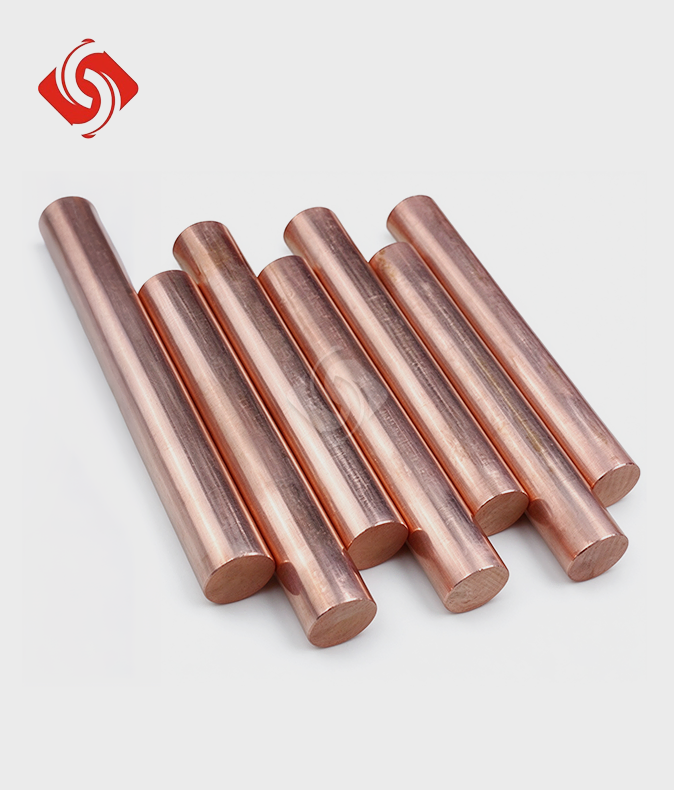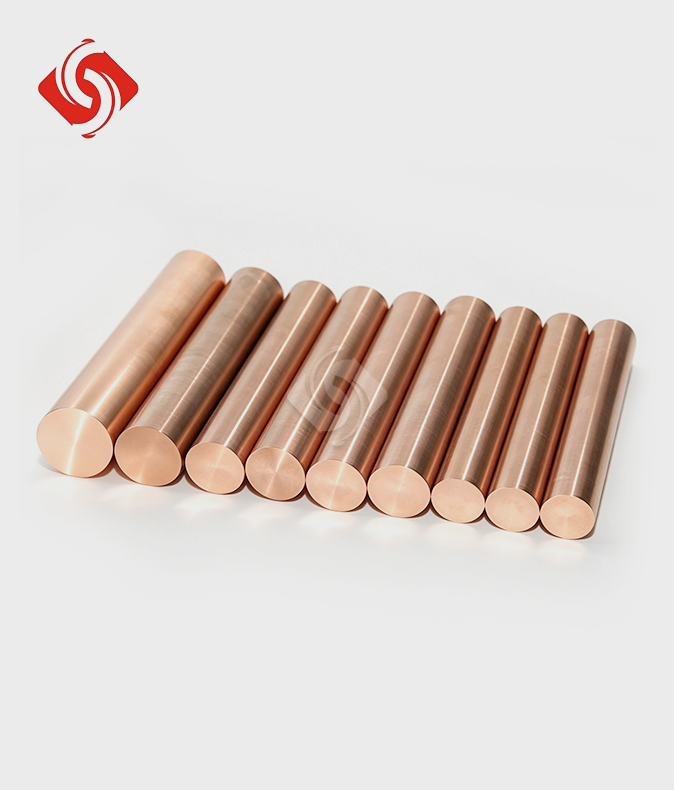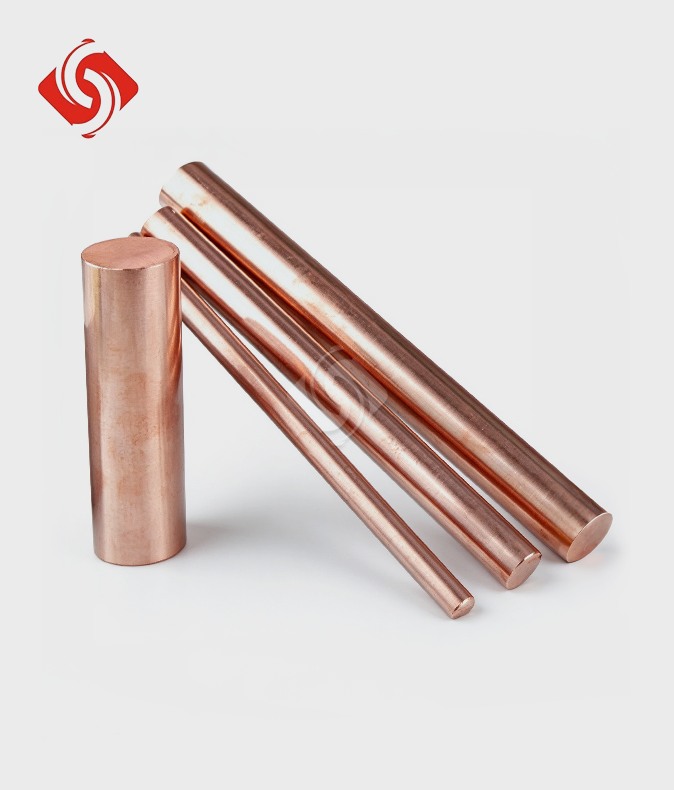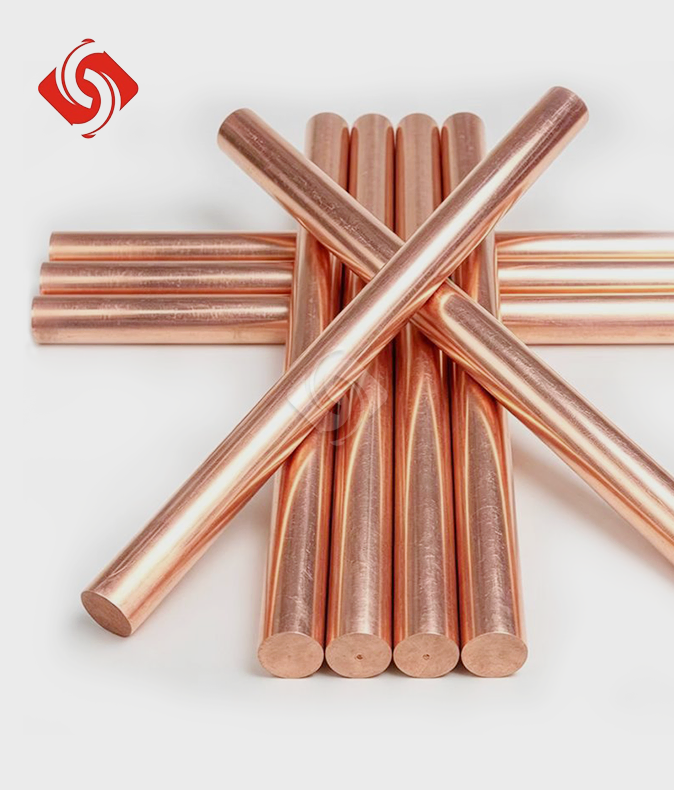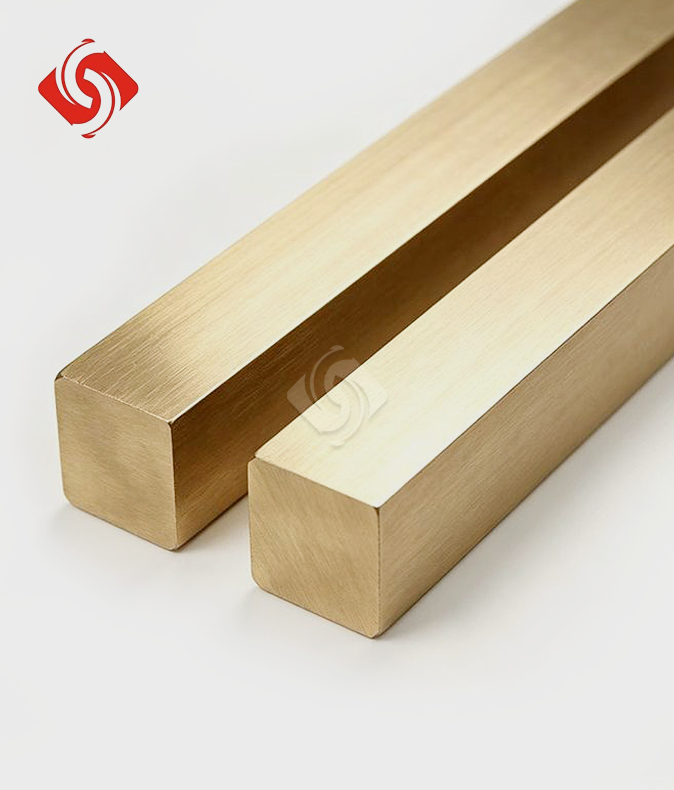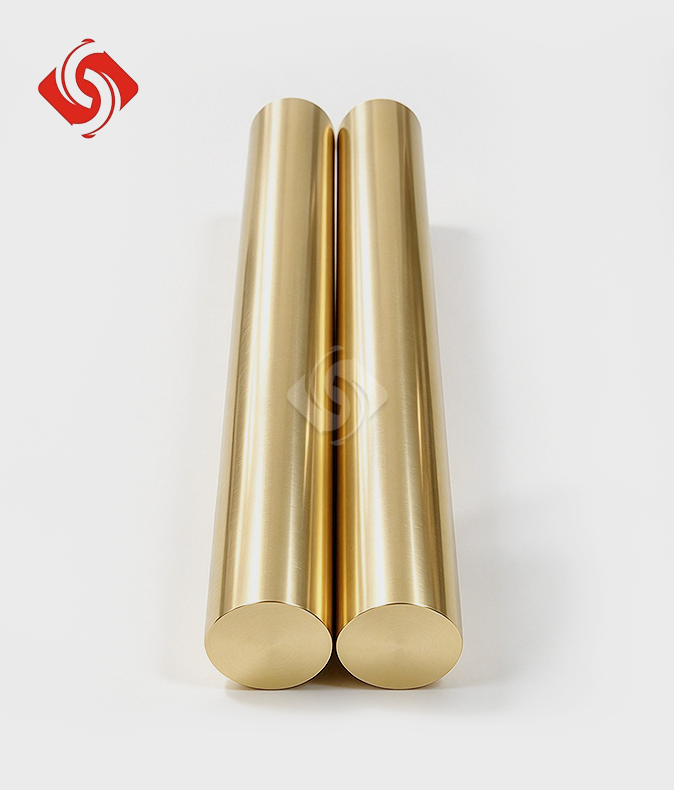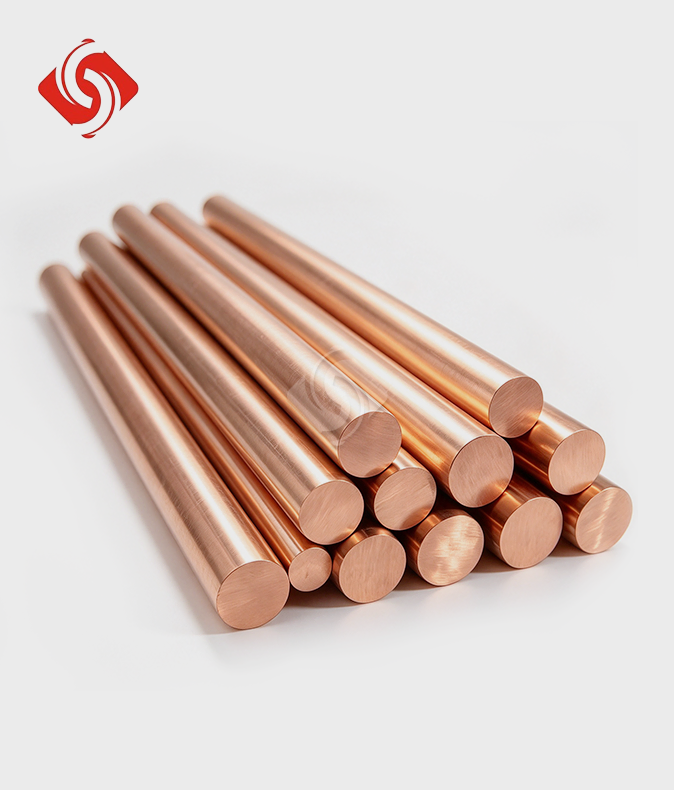
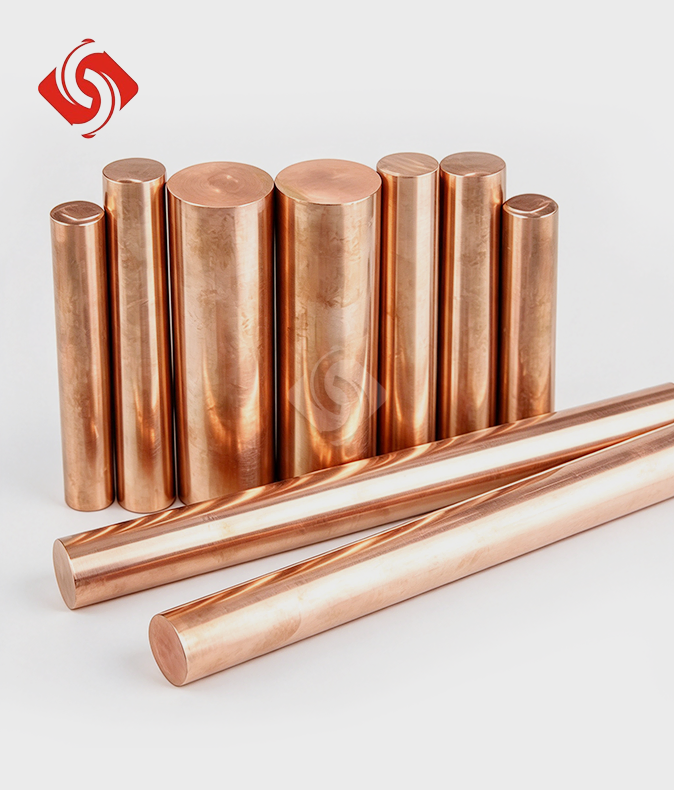
C17500 Beryllium Cobalt Copper Rod Welding
Grade Equivalents: UNS C17510 / DIN 2.0850 / EN CW110C / RWMA Class 3
Standards: ASTM B441, ISO 5182
Size Range: Diameter 5mm - 200mm, Custom Lengths and Precision Cut Available
Temper Condition: Solution Heat-Treated & Age-Hardened (TF00)
Core Application: High-Conductivity Resistance Welding Electrodes, Plungers & Mold Components
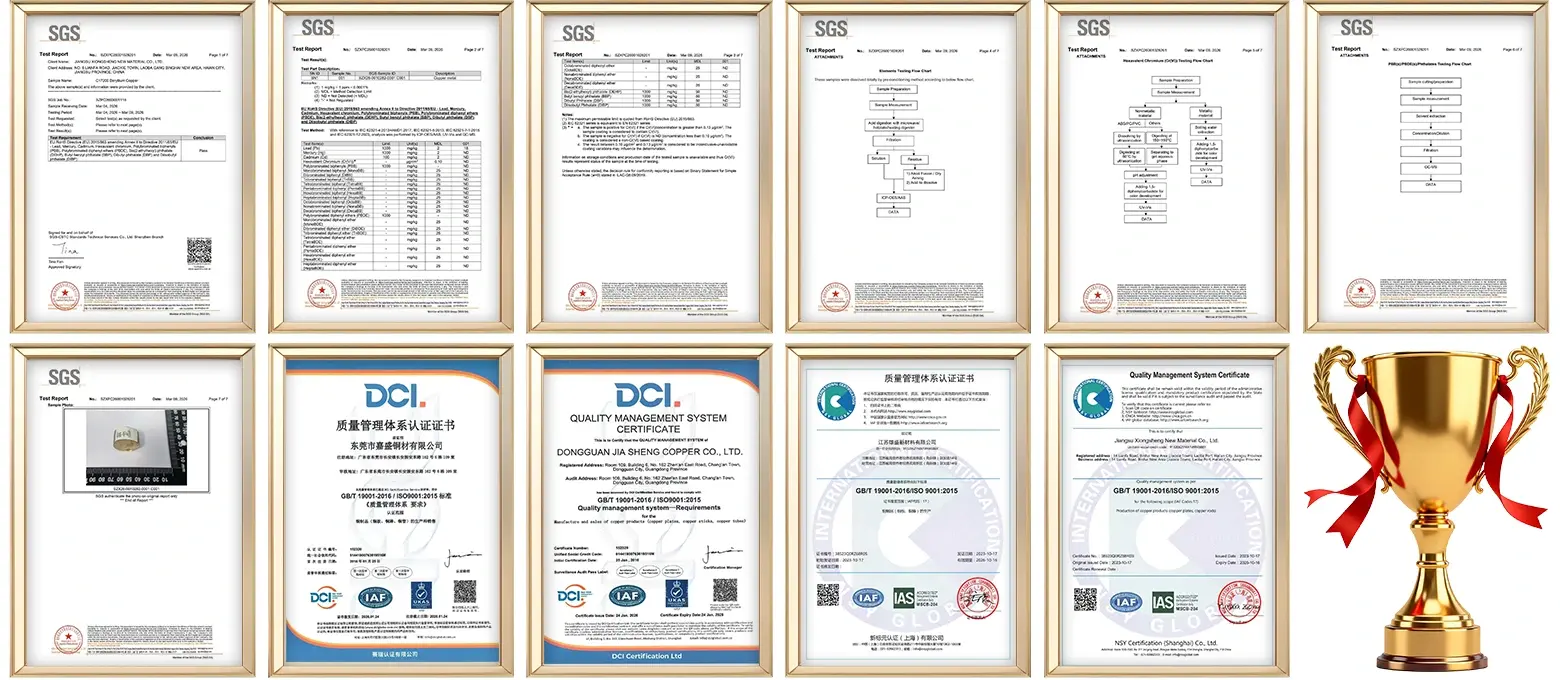
Quality Assurance: ISO9001:2015, RoHS Compliant, MTC 3.1 Certified
Description
C17500 Beryllium Cobalt Copper Rod Welding — High-Conductivity RWMA Class 3 Alloy for Resistance Welding & Precision Mold Applications
C17500 Beryllium Cobalt Copper Rod Welding has around 0.4-0.7% Beryllium and 2.4-2.7% Cobalt providing 45-60% IACS conductivity and softening temperature of up to 500°C. C17500 is a RWMA Class 3 alloy and is produced to ASTM B441 specifications, filling the gaps where typical copper alloys fail – eliminating electrode “mushrooming,” thermal fatigue and dimensional drift during cycles of repetitive high pressure, high heat cycling. Precision cold drawn tolerance H8-h11. Diameter 5mm-200mm.
What Is C17500 Beryllium Cobalt Copper Rod?
C17500 Beryllium Cobalt Copper Rod Welding is a precipitation hardened copper alloy with the principal alloying constituents of Cobalt and Beryllium. Solution heat treatment and age hardening (TF00 temper) yields a tensile strength of 700-900 MPa and hardness of 30-38 HRC.
The Co_xBe_y precipitates, with a composition of 2.4-2.7% cobalt, during ageing to prevent softening at high temperature by pinning the grain boundaries. Structurally this way the alloy is stable much beyond the capacity of Class 2 Chromium Copper.
Its thermal conductivity of 200-220 W/m·K allows heat to be moved away from the contact zone swiftly, safeguarding both the electrode and the work piece.
C17500 Rod Technical Specifications
| Parameter | Value |
|---|---|
| Grade / UNS | C17500 / RWMA Class 3 |
| Standards | ASTM B441, SAE J461, ISO 5182 |
| Beryllium (Be) | 0.40 – 0.70% |
| Cobalt (Co) | 2.40 – 2.70% |
| Copper (Cu) | Balance |
| Temper Condition | Solution Treated & Age-Hardened (TF00) |
| Hardness (Aged) | 30 – 38 HRC / 280 – 350 HV |
| Tensile Strength | 700 – 900 MPa |
| Yield Strength | 600 – 800 MPa |
| Electrical Conductivity | 45 – 60% IACS |
| Thermal Conductivity | 200 – 220 W/m·K |
| Softening Temperature | Up to 500°C |
| Diameter Range | 5mm – 200mm |
| Tolerance Grade | h8 – h11 (Precision Cold Drawn & Ground) |
| Certification | ISO 9001, RoHS, MTC 3.1 (EN 10204) |
Key Performance Advantages
High temperature stability: Can maintain full mechanical qualities at 500°C, eliminating electrode deformation in long-cycle automated welding manufacturing.
Stable electrothermal behaviour: The standard conductivity decreases resistance heat production, and effective heat dissipation lowers the rate of electrode wear.
Stress relaxation resistance: Maintains constant clamping force of contact and fastened parts during sustained high-temperature use.
Good machinability: Narrow tolerance decreases CNC machining volume and setup time for precision mould parts and electrodes.
Primary Application Scenarios
Such material is often used to produce spot and seam welding tips for stainless steel and high-nickel alloy welding to stabilise the long term welding quality. It provides injection mould core pins and inserts for faster heat dissipation, shorter moulding cycles and less product warpage. It also applies to high-current switchgear contacts and connections for frequent switching and surge current circumstances.
Quality Control Process
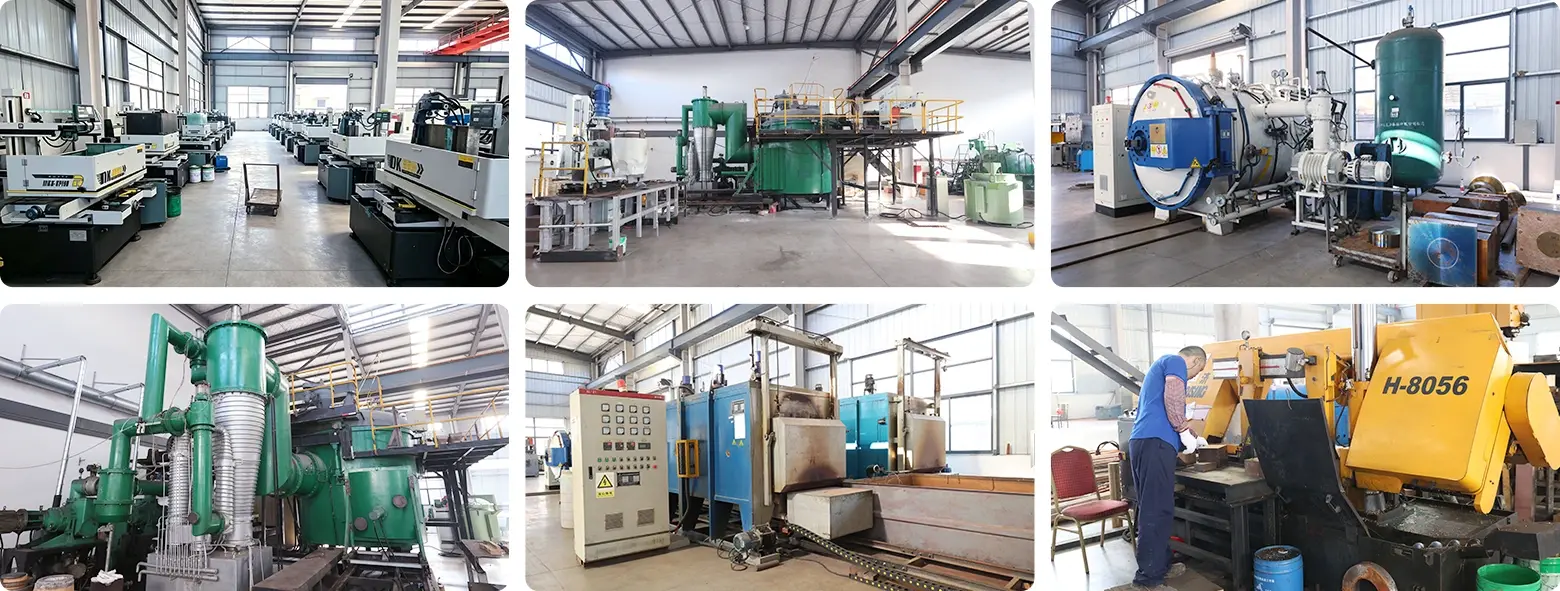
We implement three-stage full-process quality control. Raw materials pass OES spectral analysis to verify alloy composition. Production parameters are monitored in real time to ensure stable aging hardening effect. Finished products undergo hardness mapping, conductivity testing, dimensional calibration and ultrasonic flaw detection. All batches are delivered with complete traceable test documents.
Safe Handling & Post-Weld Considerations
Ventilation and dust filtration equipment are required during machining and welding. Welded parts need 450–480°C aging treatment to restore regional hardness. Sustained stable water cooling is necessary for welding electrodes to prevent premature softening failure.
Customization & Supply Options
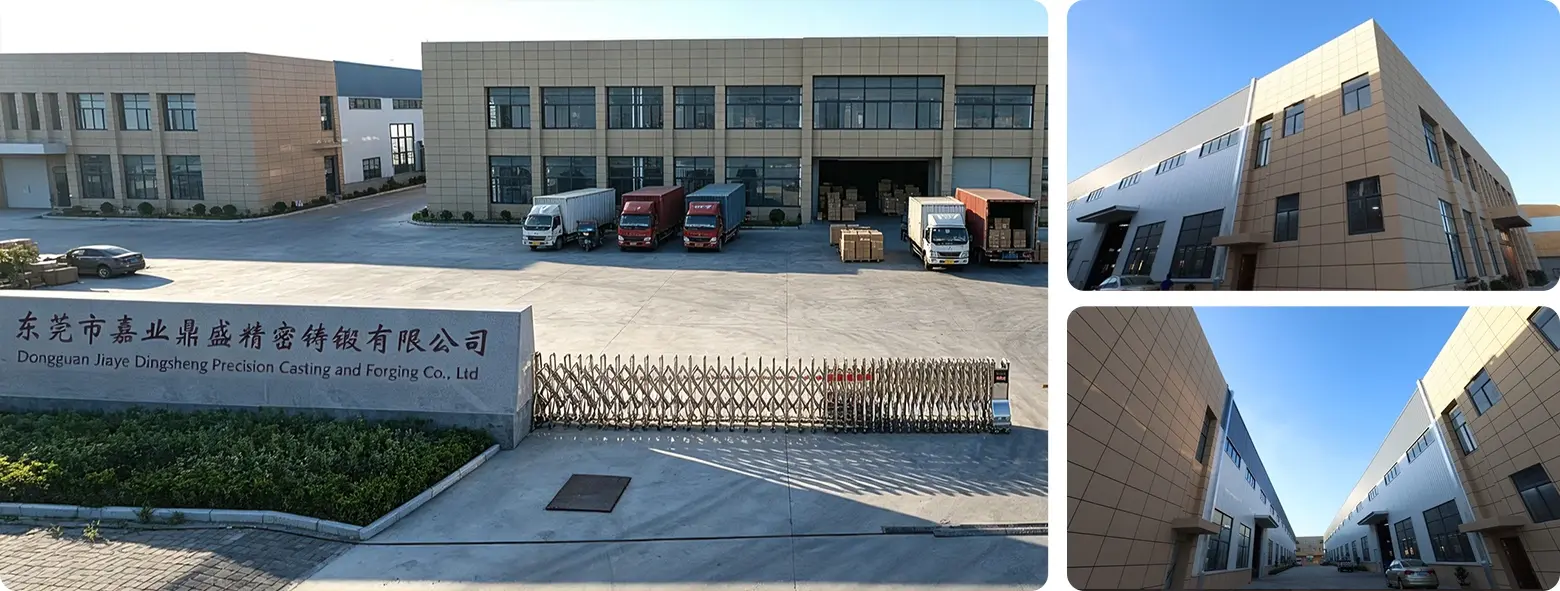
We support standard size supply and custom cutting, grinding and heat treatment parameter adjustment. In-stock products ship within 3–5 days, with 24-hour quotation service and complete export logistics and document support.
Frequently Asked Questions
Q1: What is the difference between C17500 and C17200?
A1: C17500 features higher conductivity and high-temperature stability, while C17200 has higher hardness. It can be selected according to heat dissipation and strength demands.
Q2: Is post-weld heat treatment required?
A2: Yes, targeted aging treatment is needed to restore mechanical properties of the heat-affected zone after welding.
Q3: What causes electrode premature failure?
A3: Insufficient cooling, excessive working temperature and unqualified alloy composition will lead to electrode softening and deformation.
Q4: What safety measures are required for processing?
A4: Equip professional ventilation and dust filtration equipment and follow standard beryllium alloy processing specifications.
Q5: What certification documents can be provided?
A5: EN 10204 3.1 MTC test reports are provided for each batch, with RoHS and REACH compliance documents available.
Contact Us
Send your customized processing requirements and technical parameters of C17500 Beryllium Cobalt Copper Rod Welding to js01@jstongcai.com.cn, and our team will reply with professional quotations and technical solutions within 24 hours.
Online Message