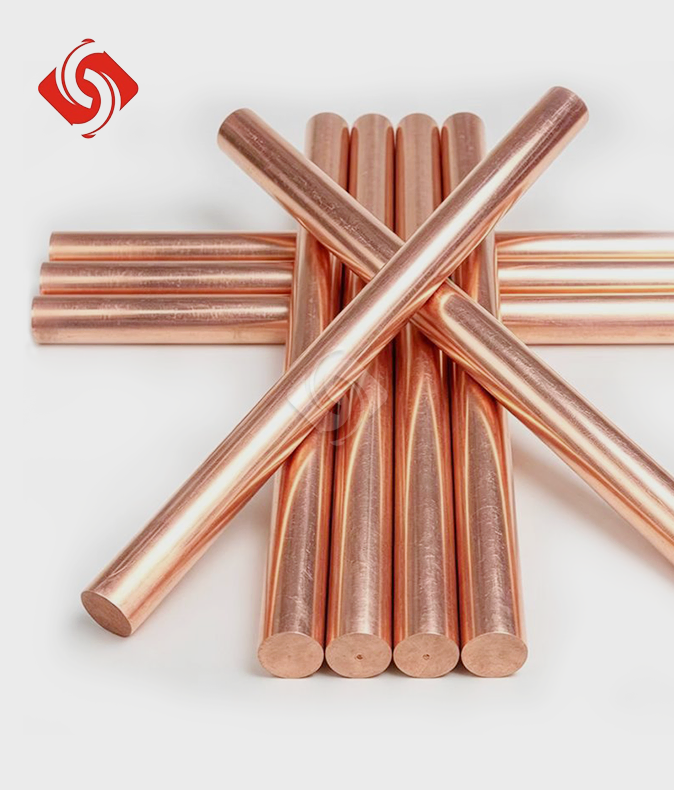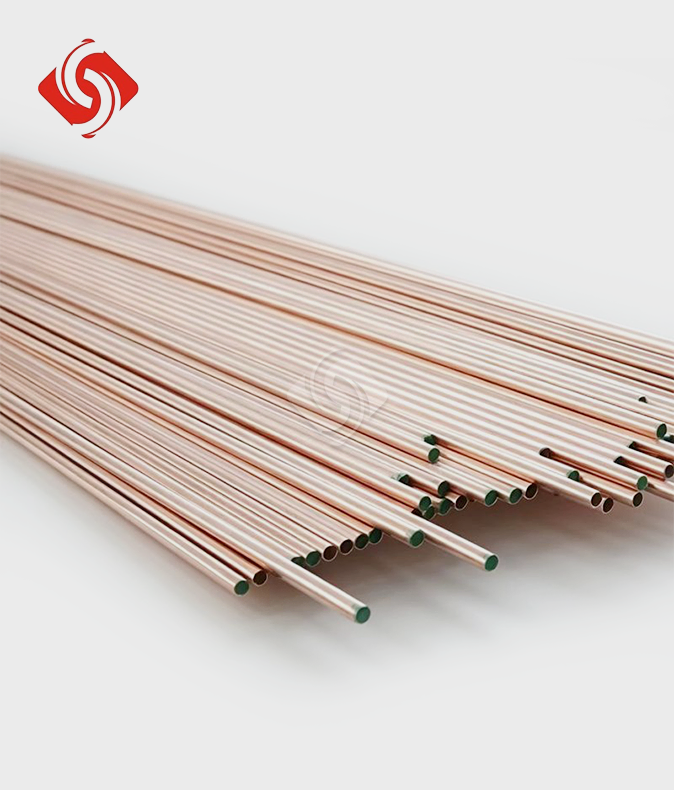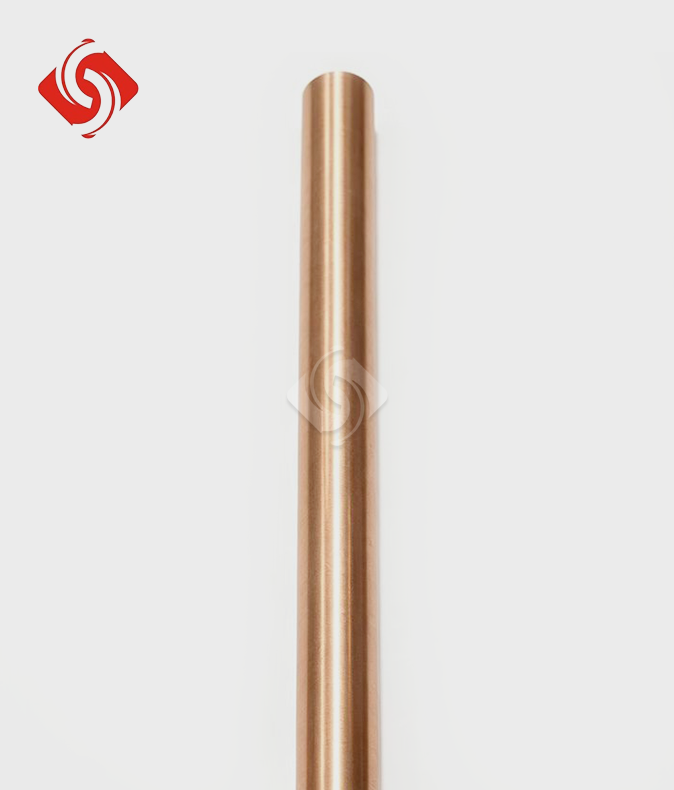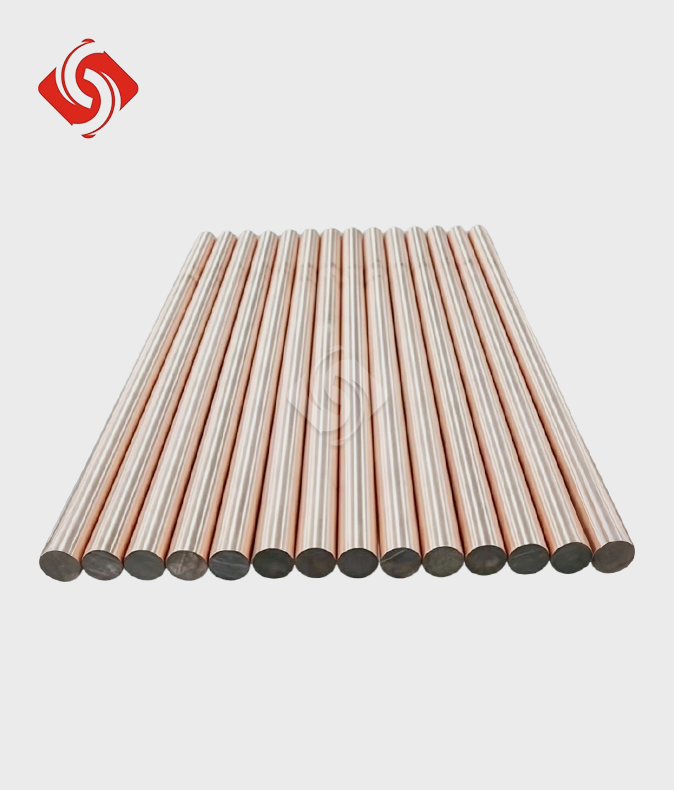
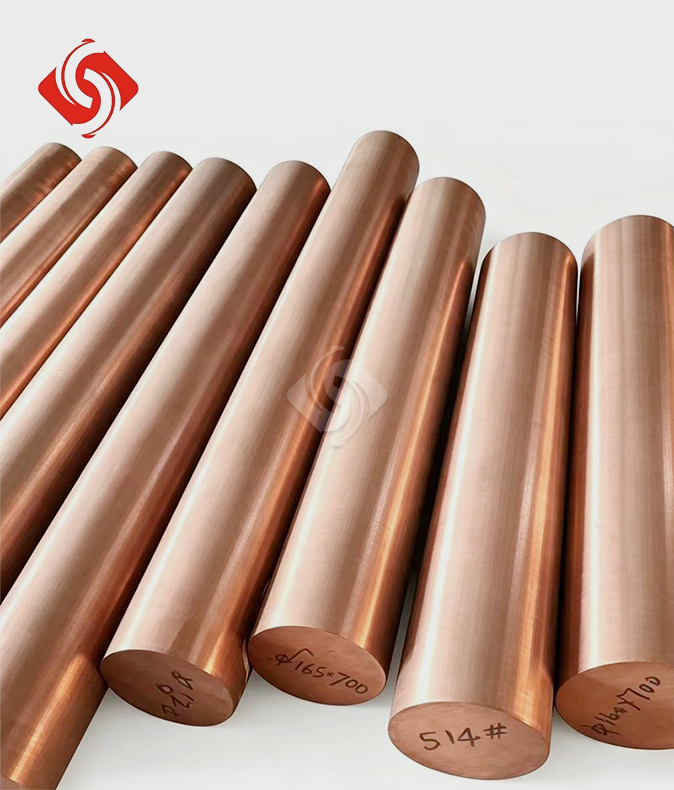
Cucr1 Rod
Standard Classifications: AWS A5.7 (ERCuAl-A2 / ERCuAl-A3), ASME SFA 5.7, ISO 24373
Application Focus: TIG & MIG Welding, Overlay Surfacing, Marine Hardware, Pump Components, & Wear-Resistant Applications
Size Options: Diameter 1.6 mm, 2.4 mm, 3.2 mm (TIG Cut Lengths) & Spooled Wires (MIG)
Core Purpose: High-Strength Joining and Wear- & Corrosion-Resistant Surfacing on Aluminum Bronze, Steel, and Other Copper Alloys
Quality Assurance: ISO 9001:2015, RoHS Compliant, EN 10204 3.1 MTC Available Upon Request
Description
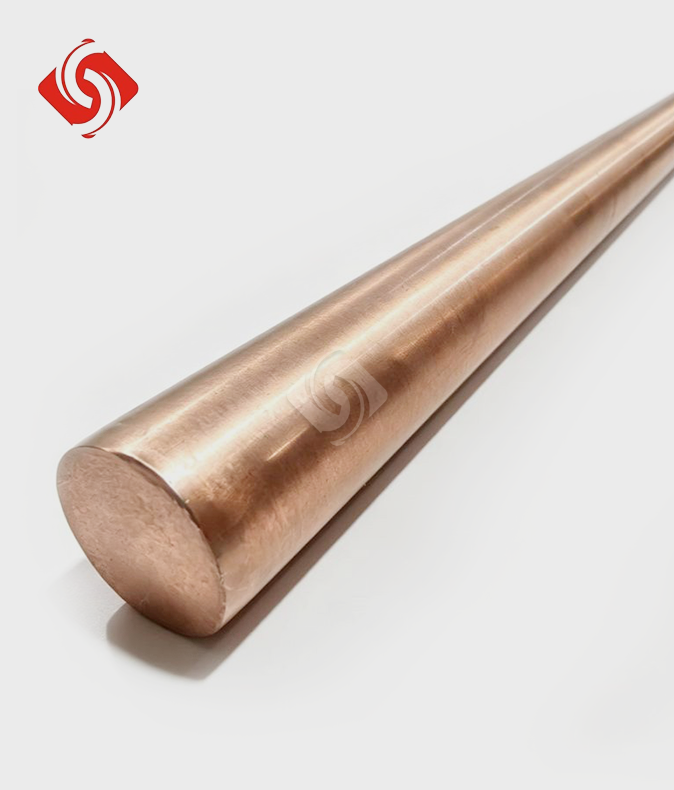
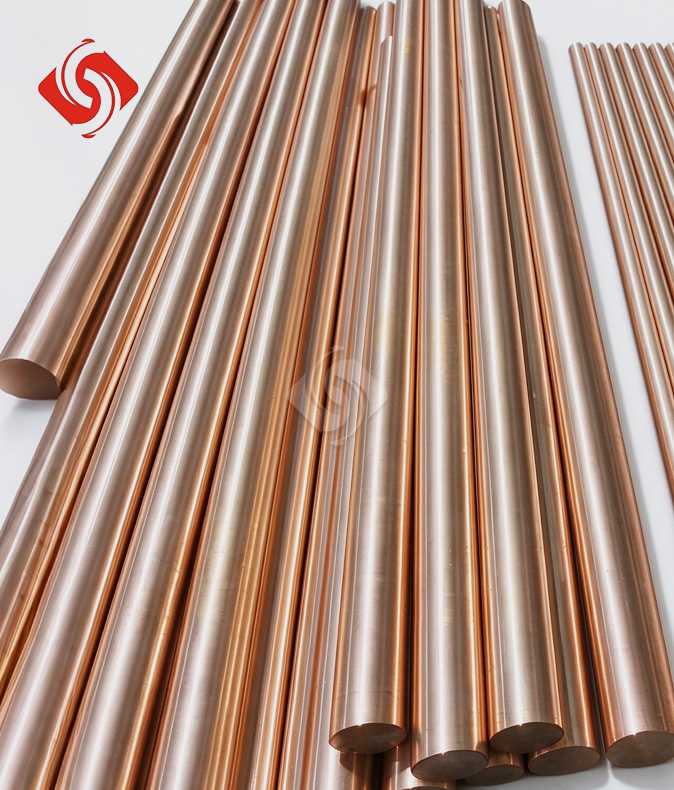
Cucr1 Rod – High-Conductivity Chromium Copper Bar for Resistance Welding & Industrial Applications
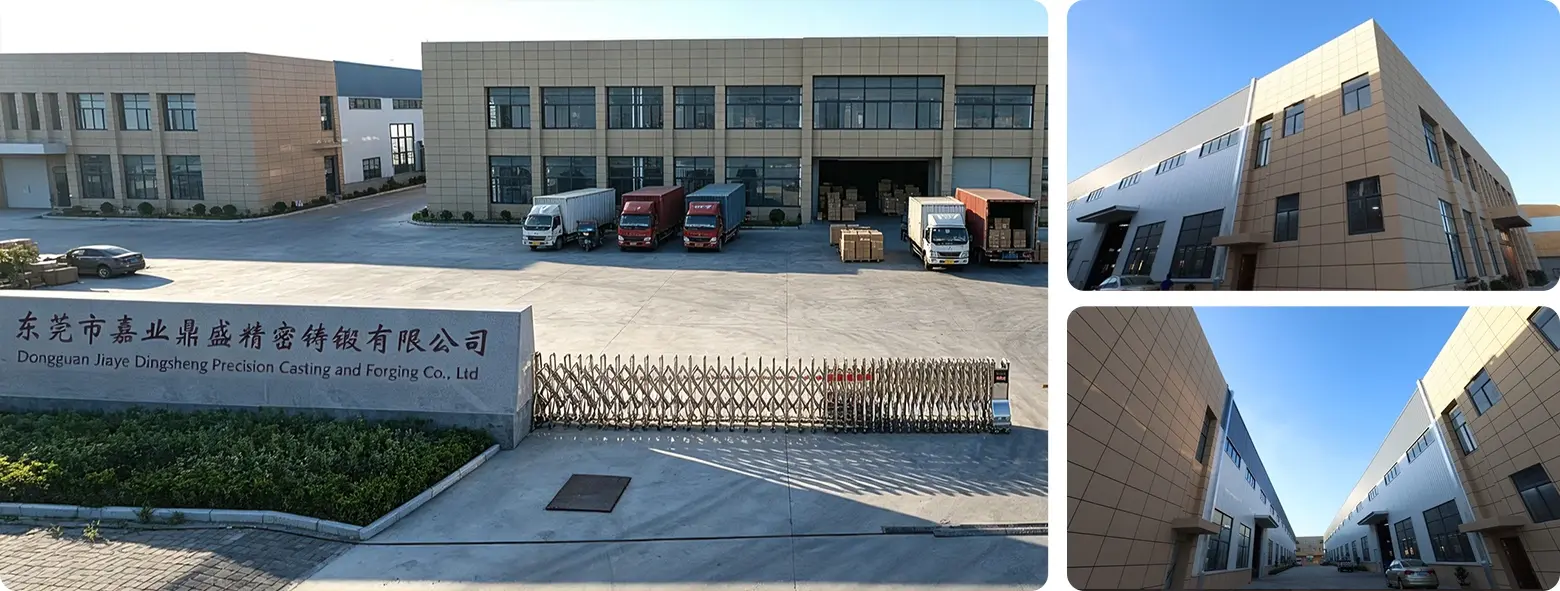
Cucr1 Rod is a precipitation-hardened chromium copper alloy, designed to solve thermal softening issues under high-current and high-stress working conditions. Founded in 1997, Dongguan Jiaye Dingsheng boasts over 25 years of copper alloy production experience. This chromium copper bar contains 0.6–1.2% chromium, reaching over 450 MPa tensile strength and ≥80% IACS conductivity after standard heat treatment. It complies with ASTM B196, DIN 17666 and RWMA Class 2 standards, with ISO 9001, RoHS and REACH compliance. MTC certificates are provided for every batch.
What Is Cucr1 Rod and Why Does It Matter?
The conductivity of pure copper is steady, but it is easy to soften under continuous heat and mechanical stress, which limits its service life in welding, mould cooling and switchgear equipment. Cucr1 Rod Corrects This Defect with Exact Chromium Elements. It is treated by precipitation hardening to generate a stable internal grain structure. The shape and conductivity performance are stable at the working temperature of up to 500 °C, whereas conventional copper cannot bear the long-cycle industrial operation.
Key Technical Specifications
| Property | Value |
|---|---|
| Chromium (Cr) Content | 0.6% – 1.2% |
| Electrical Conductivity | ≥ 80% IACS |
| Thermal Conductivity | ~320 W/(m·K) |
| Hardness | 70 – 85 HRB (Rockwell B) |
| Tensile Strength | > 450 MPa (after optimal heat treatment) |
| Softening Temperature | Up to 500°C (932°F) |
| Standard Compliance | ASTM B196, DIN 17666, RWMA Class 2 |
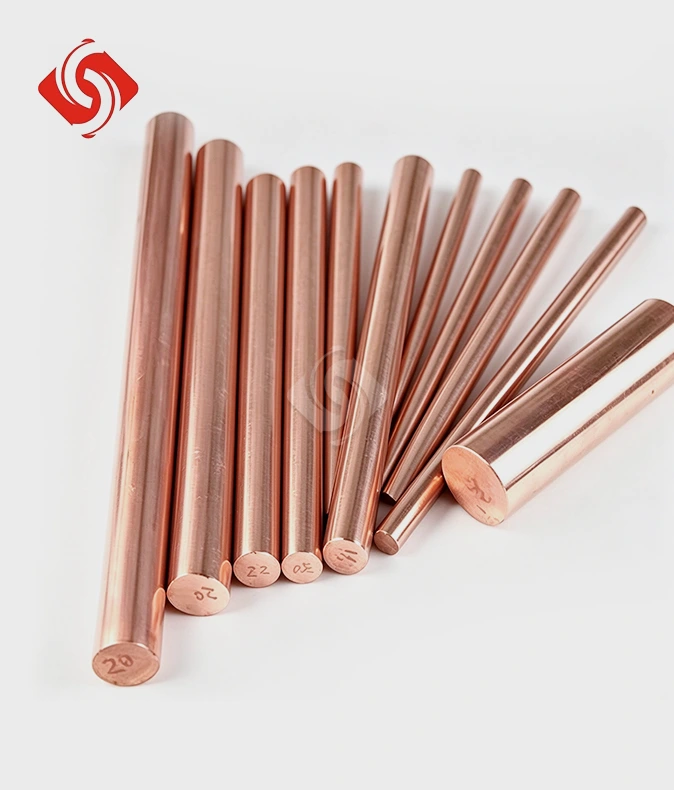
| Available Forms | Round bars, custom cross-sections |
Material Properties That Set It Apart
The chromium phases uniformly dispersed in the copper matrix may inhibit the grain development at high temperature, which can substantially improve the thermal softening resistance compared with regular ETP copper. This feature increases the service life of the welding electrodes and the conductive contact elements.
The alloy also has steady corrosion resistance and oxidation resistance in the ordinary industrial environment, responding to heat cycle and humid working environment, so as to minimise the frequency of component replacement.
Common Application Areas
Resistance Welding For automobile welding electrode tips and shafts, for continuous high current and high pressure welding of cold and hot rolled steel.
Electrical Switchgear: Resistance to arc erosion and steady current transfer for high voltage circuit breakers and contact parts.
Mould Cooling used on injection mould nozzles and cooling inserts. The heat dissipation efficiency may lessen the thermal fatigue on the mould and lengthen the service life of the tool.
Quality Control and Inspection Process
We implement three-stage full-process quality inspection. Raw materials pass OES spectral analysis to verify chromium content. Finished products undergo eddy current conductivity testing, cross-section hardness testing and ultrasonic nondestructive flaw detection. Metallographic grain analysis is conducted to ensure internal structure stability. All unqualified products are reprocessed and will not be delivered.
Manufacturing Process Overview
Production adopts vacuum melting to eliminate impurities and stabilize alloy composition. Precision rolling ensures accurate dimensional tolerance. Standard solution annealing and aging treatment balance material strength and conductivity. Custom CNC finishing services are available for finished component processing, with complete batch traceability from raw materials to finished products.
Customization and Supply Options
We support customized size, hardness and conductivity parameters. Standard stocks ship within 3–5 days, and custom orders are quoted within 24 hours. Each shipment is attached with complete test certificates, supporting long-term export trade and multi-scene industrial matching.
Frequently Asked Questions
Q1: What is the difference between CuCr1 and CuCrZr?
A1: CuCr1 contains no zirconium and costs less for conventional resistance welding. CuCrZr delivers better high-temperature resistance for extreme thermal working conditions.
Q2: What is the maximum working temperature?
A2: It keeps stable performance up to 500°C. Excessively high temperature will trigger over-aging and reduce material performance.
Q3: What tooling is required for machining?
A3: Carbide tools are recommended to avoid tool wear and ensure processing accuracy during machining.
Q4: Does it meet RWMA Class 2 standards?
A4: Yes, it fully meets RWMA Class 2 specifications and fits mainstream industrial steel welding scenarios.
Q5: Can heat treatment improve conductivity after purchase?
A5: No. Conductivity is fixed after factory professional heat treatment. Uncontrolled heating will damage material performance.
Contact Us
For product quotations and professional technical support of Cucr1 Rod, please send your demands to js01@jstongcai.com.cn, and we will reply to all inquiries within 24 hours.